+86-632-3621866
- Chinese
- French
- German
- Portuguese
- Spanish
- Russian
- Japanese
- Korean
- Arabic
- Irish
- Greek
- Turkish
- Italian
- Danish
- Romanian
- Indonesian
- Czech
- Afrikaans
- Swedish
- Polish
- Basque
- Catalan
- Esperanto
- Hindi
- Lao
- Albanian
- Amharic
- Armenian
- Azerbaijani
- Belarusian
- Bengali
- Bosnian
- Bulgarian
- Cebuano
- Chichewa
- Corsican
- Croatian
- Dutch
- Estonian
- Filipino
- Finnish
- Frisian
- Galician
- Georgian
- Gujarati
- Haitian
- Hausa
- Hawaiian
- Hebrew
- Hmong
- Hungarian
- Icelandic
- Igbo
- Javanese
- Kannada
- Kazakh
- Khmer
- Kurdish
- Kyrgyz
- Latin
- Latvian
- Lithuanian
- Luxembou..
- Macedonian
- Malagasy
- Malay
- Malayalam
- Maltese
- Maori
- Marathi
- Mongolian
- Burmese
- Nepali
- Norwegian
- Pashto
- Persian
- Punjabi
- Serbian
- Sesotho
- Sinhala
- Slovak
- Slovenian
- Somali
- Samoan
- Scots Gaelic
- Shona
- Sindhi
- Sundanese
- Swahili
- Tajik
- Tamil
- Telugu
- Thai
- Ukrainian
- Urdu
- Uzbek
- Vietnamese
- Welsh
- Xhosa
- Yiddish
- Yoruba
- Zulu
- Kinyarwanda
- Tatar
- Oriya
- Turkmen
- Uyghur



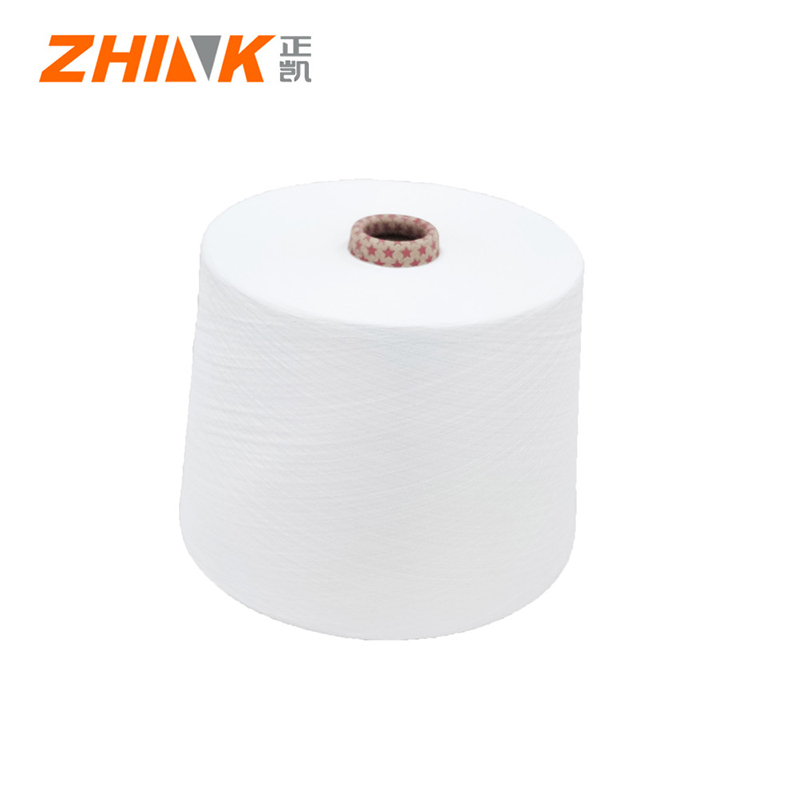
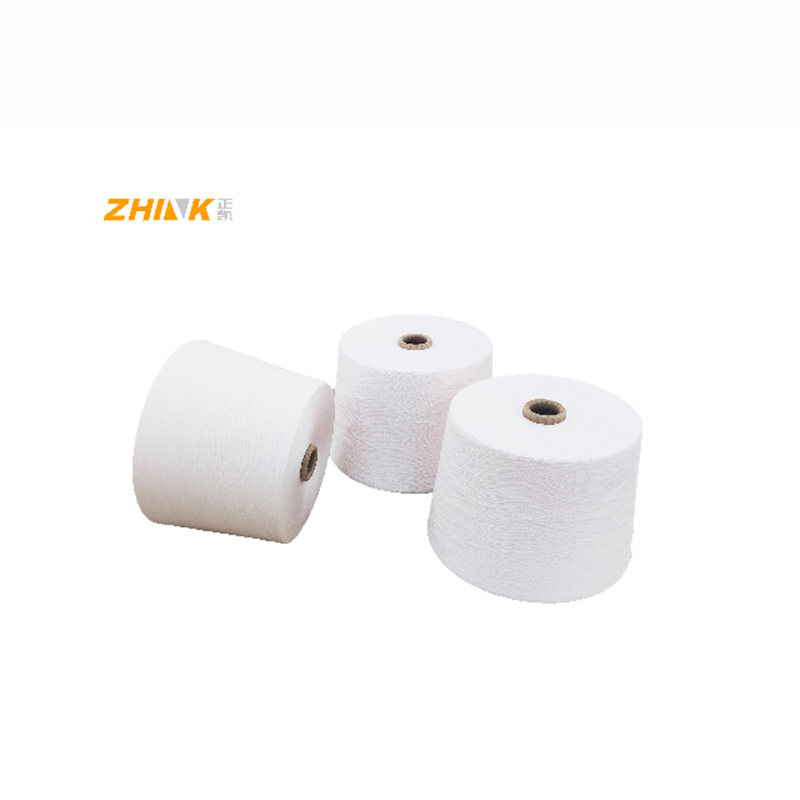
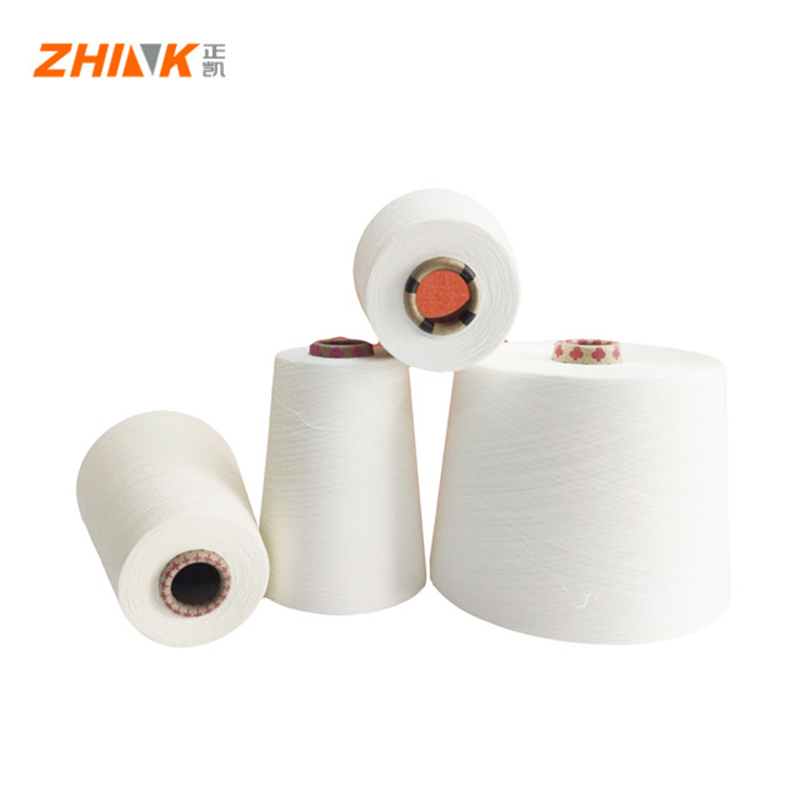
wool yarn for sale
Understanding the Demand for Wool Yarn for Sale
The market for wool yarn for sale is constantly evolving, shaped by trends in fashion, sustainability demands, and the personal preferences of craft enthusiasts. While some may see this as just another product in the vast textile market, those in the industry will tell you that the story of wool yarn is far richer than one might think.
The Allure of Wool Yarn
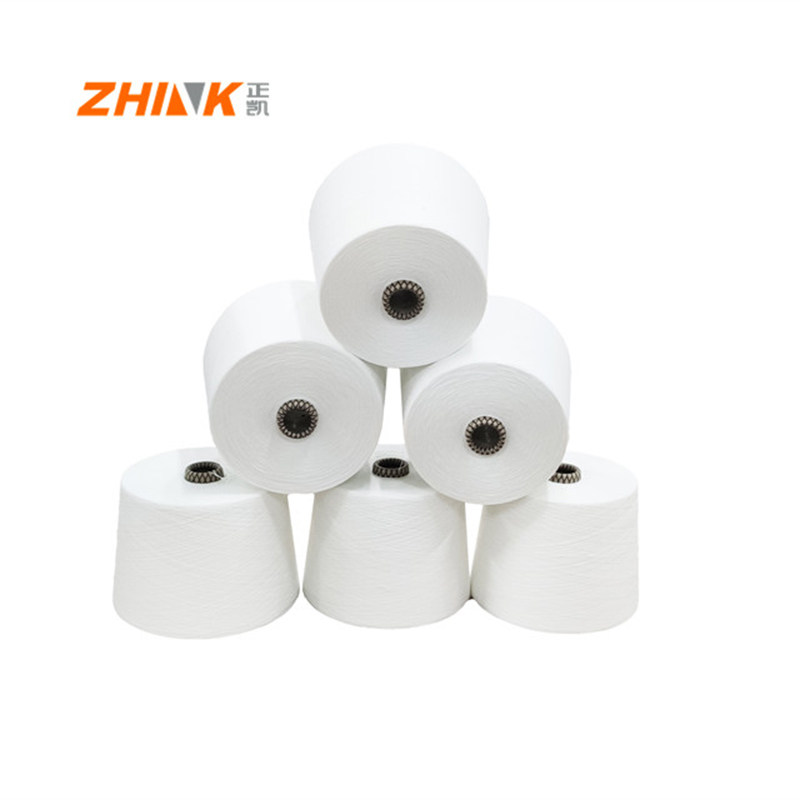
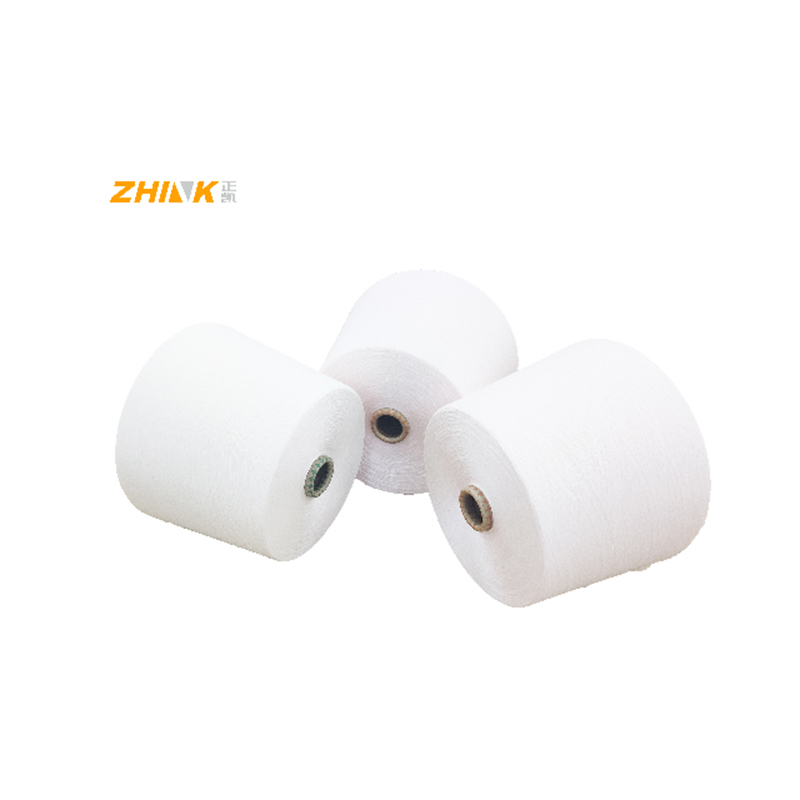
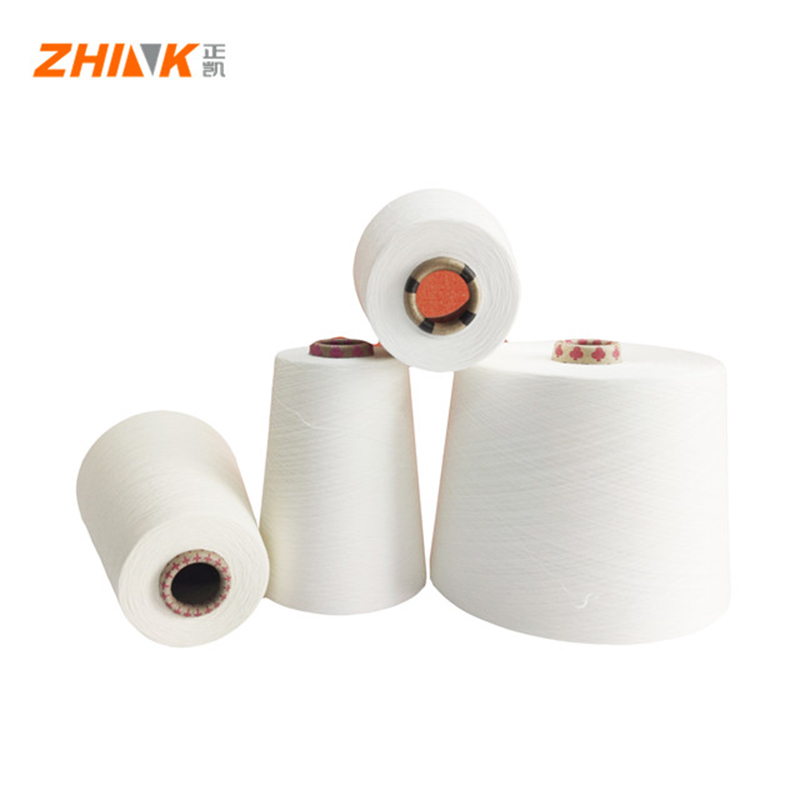
Wool yarn has long been prized for its warmth, durability, and versatility. It’s the kind of material that speaks to the soul of craft, invoking images of cozy sweaters and hand-knit scarves. But not all wool yarns are created equal. Factors such as fiber quality, spinning techniques, and dye processes can significantly affect the final product.
Take Zhink New Material, for instance. This company has carved out a niche by focusing on innovative textile solutions. Their expertise in new textile materials ensures that their wool yarns stand out in both quality and sustainability. They understand the subtle differences that make a yarn exceptional, which is essential in this competitive industry.
Of course, it’s not just about manufacturing. The nuances of selling and marketing wool yarn can be just as complex. From choosing the right platforms to understanding customer needs, every decision counts. Dropping a batch of beautiful yarn without understanding the current market trends can lead to disappointing sales.
Challenges in the Industry
One of the trickiest parts of selling wool yarn for sale is anticipating demand. Trends in knitting and crafting can shift rapidly. Some years, chunky yarns are all the rage, while others see a resurgence of fine, delicate fibers. This year, sustainability and ethically sourced materials are at the forefront, and companies like Zhink are aligning their production accordingly.
Pricing is another conundrum. Craft enthusiasts are willing to pay a premium for high-quality, unique wool, yet the balance between cost and quality is fine. Lowering costs might seem tempting, but it can compromise fiber integrity and customer trust.
Beyond these practical concerns, there’s an emotional layer to consider. Yarn buyers are often hobbyists and enthusiasts who pour personal passion into their projects. Tapping into this emotional connection can be a powerful marketing tool, but it requires authentic engagement, not just strategic sales pitches.
Practical Tips for Selling Wool Yarn
If you're venturing into the sale of wool yarn, think like a knitter. Engage with the community to understand what they're truly passionate about. Craft fairs, online forums, and social media groups are excellent places to gather insights and build relationships with potential customers.
Next, consider the tactile experience. People often want to feel and test yarn before committing to a purchase. Offering samples or guaranteeing easy returns can help bridge the gap between online and in-person shopping experiences.
For those just starting, partnering with an established company like Zhink New Material could open doors. Their reputation for quality and innovation can lend credibility and visibility to new entrants in the market.
Innovative Approaches in Wool Yarn Production
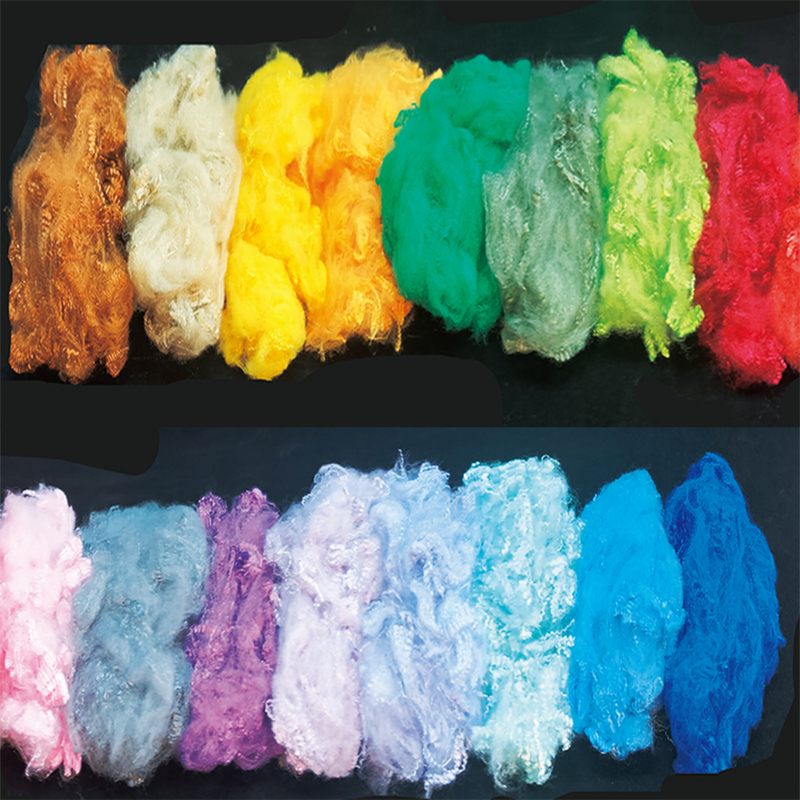
Innovation doesn’t always mean reinventing the wheel. Sometimes, it’s about refining what already works. In the world of wool yarns, this could mean improving the dyeing process to produce richer, longer-lasting colors or developing blends that enhance the natural qualities of wool.
Zhink New Material has been at the forefront of such innovations, constantly pushing the envelope with their textile research and development. Their commitment to merging traditional techniques with new technologies highlights how the industry can evolve while staying rooted in its heritage.
Experimenting with new fibers can also lead to breakthroughs. Blending wool with other materials like bamboo or silk can create unique yarns that attract niche markets, offering different textures and properties that intrigue crafters looking for something new.
Future Trends to Watch
Looking ahead, the industry is likely to continue its shift towards sustainability. Eco-friendly dyes, organic wool, and transparency in sourcing will become even more critical. Consumers are more informed and vocal about their preferences, and companies that ignore these demands risk losing relevance.
Craft community platforms may also see a surge. As more people discover the therapeutic benefits of knitting and crocheting, communities will grow and evolve, offering new opportunities for interaction, feedback, and collaboration. Embracing these platforms could offer a significant advantage.
In conclusion, the world of wool yarn for sale is vibrant and full of potential. Success requires a combination of understanding the product, market trends, and customer desires. For those passionate about fibers, there's no better time to be involved, provided they stay informed and committed to quality and innovation.
Related Products
Related Products