+86-632-3621866
- Chinese
- French
- German
- Portuguese
- Spanish
- Russian
- Japanese
- Korean
- Arabic
- Irish
- Greek
- Turkish
- Italian
- Danish
- Romanian
- Indonesian
- Czech
- Afrikaans
- Swedish
- Polish
- Basque
- Catalan
- Esperanto
- Hindi
- Lao
- Albanian
- Amharic
- Armenian
- Azerbaijani
- Belarusian
- Bengali
- Bosnian
- Bulgarian
- Cebuano
- Chichewa
- Corsican
- Croatian
- Dutch
- Estonian
- Filipino
- Finnish
- Frisian
- Galician
- Georgian
- Gujarati
- Haitian
- Hausa
- Hawaiian
- Hebrew
- Hmong
- Hungarian
- Icelandic
- Igbo
- Javanese
- Kannada
- Kazakh
- Khmer
- Kurdish
- Kyrgyz
- Latin
- Latvian
- Lithuanian
- Luxembou..
- Macedonian
- Malagasy
- Malay
- Malayalam
- Maltese
- Maori
- Marathi
- Mongolian
- Burmese
- Nepali
- Norwegian
- Pashto
- Persian
- Punjabi
- Serbian
- Sesotho
- Sinhala
- Slovak
- Slovenian
- Somali
- Samoan
- Scots Gaelic
- Shona
- Sindhi
- Sundanese
- Swahili
- Tajik
- Tamil
- Telugu
- Thai
- Ukrainian
- Urdu
- Uzbek
- Vietnamese
- Welsh
- Xhosa
- Yiddish
- Yoruba
- Zulu
- Kinyarwanda
- Tatar
- Oriya
- Turkmen
- Uyghur


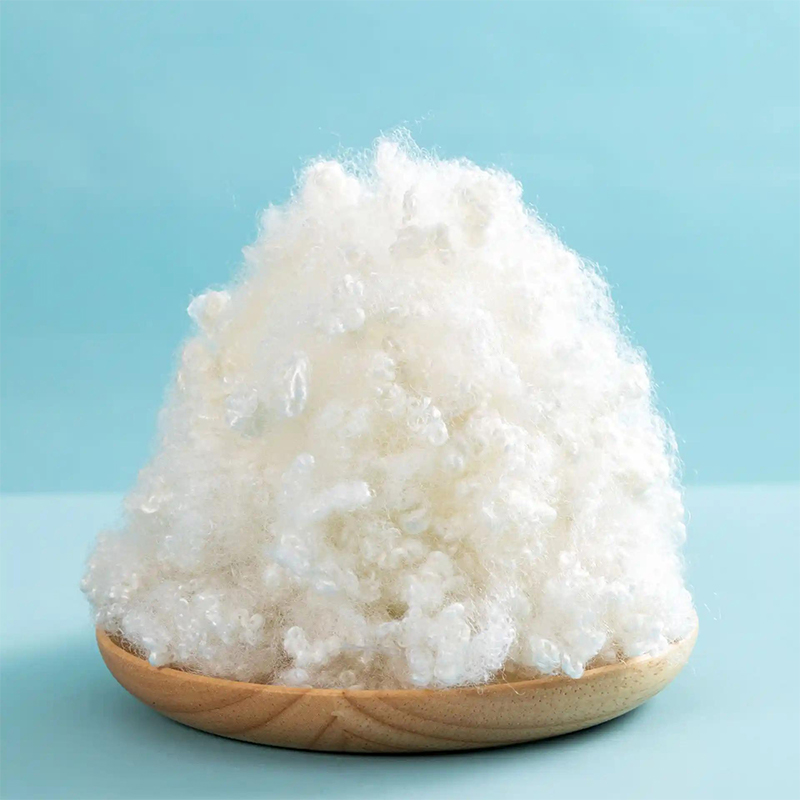
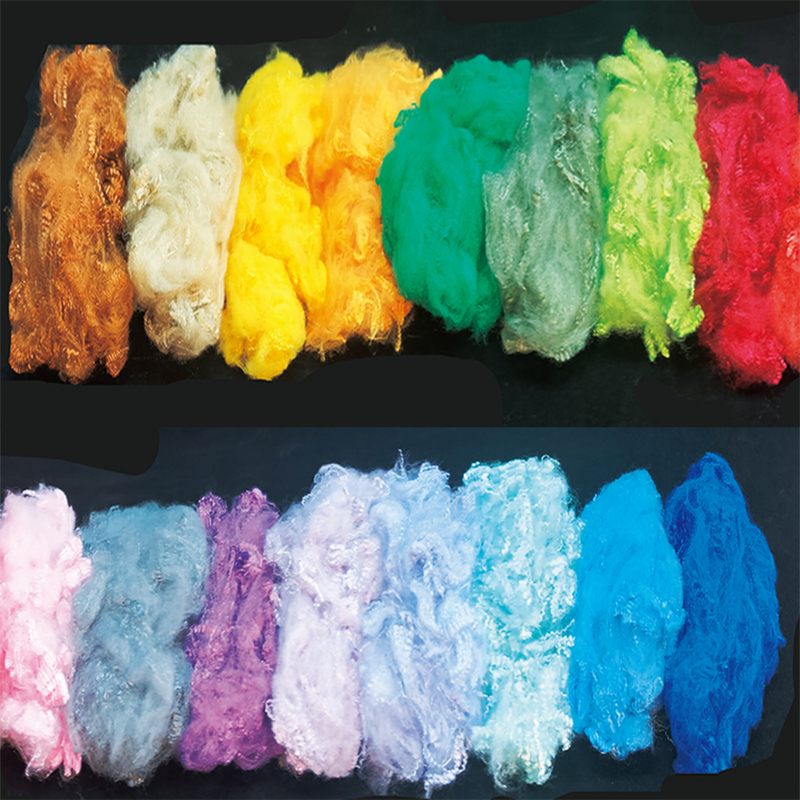
Yellow polyester fiber
The Versatile World of Yellow Polyester Fiber
Yellow polyester fiber might seem like a niche topic, but its applications are surprisingly broad. This synthetic fiber, known for its colorfastness and durability, is a staple in many industries. Let’s delve into its unique characteristics and shed light on its diverse uses in modern manufacturing.
Understanding Yellow Polyester Fiber
When we talk about yellow polyester fiber, it’s easy to get caught up in some common misconceptions. Many people assume it’s just another variant of polyester with no real differences. However, its distinct coloring properties can be crucial for specific applications.
Yellow plays a pivotal role in visibility-enhancing products, from safety gear to high-visibility clothing. The fiber's innate resistance to fading makes it ideal for such uses. Having worked in textile manufacturing, I’ve seen firsthand how this color can be a game-changer in producing durable garments that need to maintain visibility under various conditions.
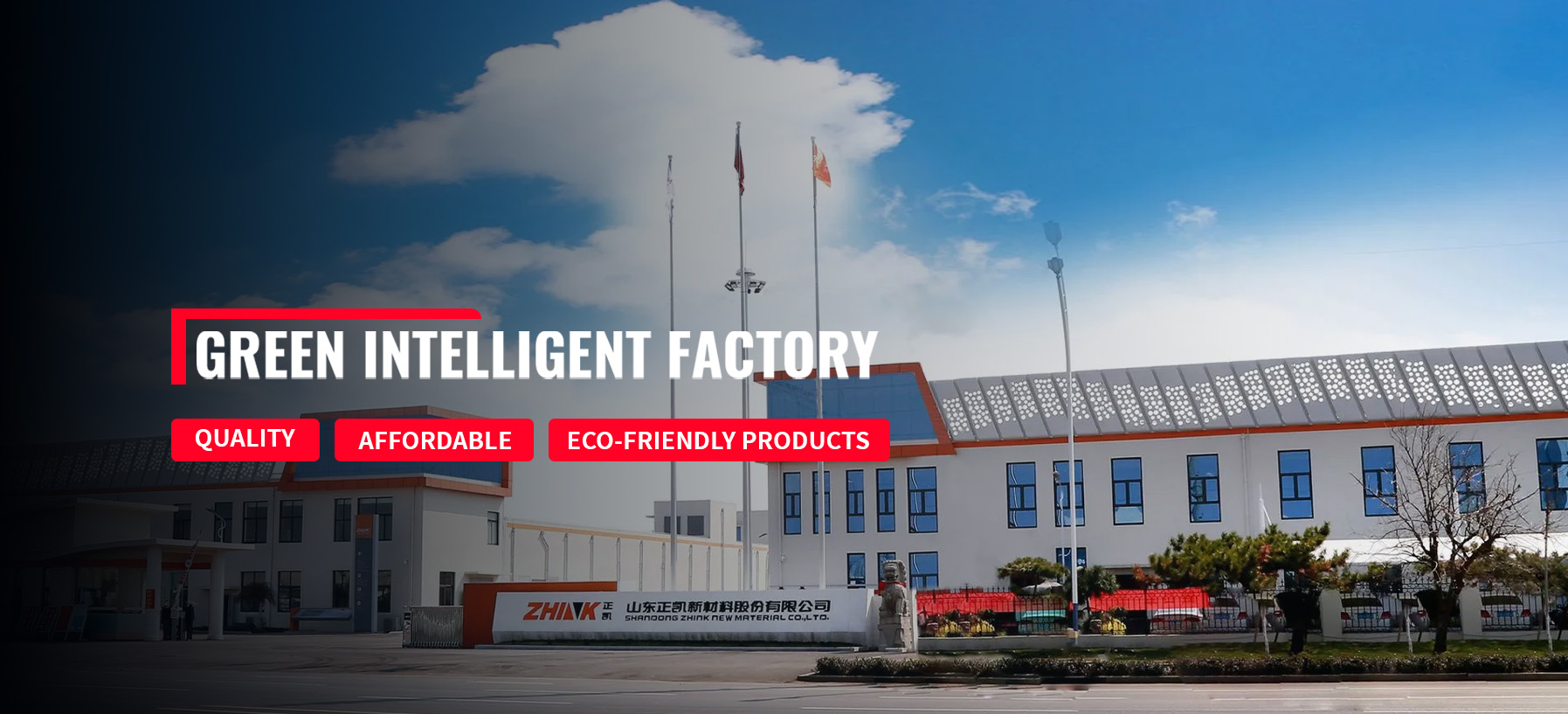
At SHANDONG ZHINK NEW MATERIAL CO., LTD, our approach emphasizes innovation. You can visit our website at Zhink Yarn to explore the range of fibers we offer. Our focus is on providing high-quality materials that blend functionality with aesthetics.
Manufacturing Process Insights
Producing yellow polyester fiber involves several crucial steps to ensure consistency and quality. The dyeing process, for example, is highly controlled to achieve uniformity. Having overseen this process, I know how even slight variations can affect the final product’s quality.
From an R&D perspective, we explore how different dyeing techniques affect the fiber’s properties, including UV resistance and tensile strength. It’s a meticulous process; sometimes, iterations are necessary to get it just right. There’s a fine line between achieving the desired shade and compromising on durability, and that’s where expertise comes into play.
Zhink New Material prioritizes research and development, enabling us to push the boundaries of what polyester fibers can achieve. Our commitment to innovation drives us to continuously improve our production techniques.
Challenges in Production
Every material comes with its challenges, and yellow polyester fiber is no exception. One common issue is ensuring colorfastness, particularly when exposed to various environmental factors. We've experimented with multiple stabilizers and found that some compounds perform better than others.
In my experience, another sticking point is maintaining consistent quality across large batches. This requires rigorous testing and quality control measures. At times, small adjustments are necessary to enhance performance, especially for specific industrial applications.
Additionally, sustainability is a growing concern. We need to balance cost, functionality, and environmental impact, ensuring our fibers remain competitive while supporting eco-friendly practices.
Applications Across Industries
The utility of yellow polyester fiber spans various sectors. In the automotive industry, it’s used for seat belts and interiors that require strong, color-stable materials. These applications demand materials that can withstand wear and tear while retaining their color.
In sports apparel, the fiber’s properties provide both comfort and performance. The moisture-wicking capabilities are particularly beneficial, ensuring garments remain dry during intense activities. Users often find that items made from these fibers offer a good balance between durability and aesthetics.
Finally, the design world favors this fiber for its vibrant hue and reliable performance. Designers can count on its color retention, even after multiple washes, which is a critical factor in maintaining their creations’ aesthetic integrity.
Sustainability Considerations
As we look toward a more sustainable future, the production of fibers like yellow polyester must evolve. Our company, SHANDONG ZHINK NEW MATERIAL CO., LTD, actively explores eco-friendly alternatives and recycling options.
We’ve noticed an increasing demand for materials that contribute to a circular economy. As such, we've been piloting programs to incorporate recycled content in our fibers without compromising quality. It’s a challenging yet rewarding endeavor.
Looking forward, our industry will need to innovate further, ensuring that fibers like these strike a balance between performance and sustainability. As practitioners, we have a responsibility to lead this change, ensuring our practices contribute positively to the environment.
Related Products
Related Products