+86-632-3621866
- Chinese
- French
- German
- Portuguese
- Spanish
- Russian
- Japanese
- Korean
- Arabic
- Irish
- Greek
- Turkish
- Italian
- Danish
- Romanian
- Indonesian
- Czech
- Afrikaans
- Swedish
- Polish
- Basque
- Catalan
- Esperanto
- Hindi
- Lao
- Albanian
- Amharic
- Armenian
- Azerbaijani
- Belarusian
- Bengali
- Bosnian
- Bulgarian
- Cebuano
- Chichewa
- Corsican
- Croatian
- Dutch
- Estonian
- Filipino
- Finnish
- Frisian
- Galician
- Georgian
- Gujarati
- Haitian
- Hausa
- Hawaiian
- Hebrew
- Hmong
- Hungarian
- Icelandic
- Igbo
- Javanese
- Kannada
- Kazakh
- Khmer
- Kurdish
- Kyrgyz
- Latin
- Latvian
- Lithuanian
- Luxembou..
- Macedonian
- Malagasy
- Malay
- Malayalam
- Maltese
- Maori
- Marathi
- Mongolian
- Burmese
- Nepali
- Norwegian
- Pashto
- Persian
- Punjabi
- Serbian
- Sesotho
- Sinhala
- Slovak
- Slovenian
- Somali
- Samoan
- Scots Gaelic
- Shona
- Sindhi
- Sundanese
- Swahili
- Tajik
- Tamil
- Telugu
- Thai
- Ukrainian
- Urdu
- Uzbek
- Vietnamese
- Welsh
- Xhosa
- Yiddish
- Yoruba
- Zulu
- Kinyarwanda
- Tatar
- Oriya
- Turkmen
- Uyghur


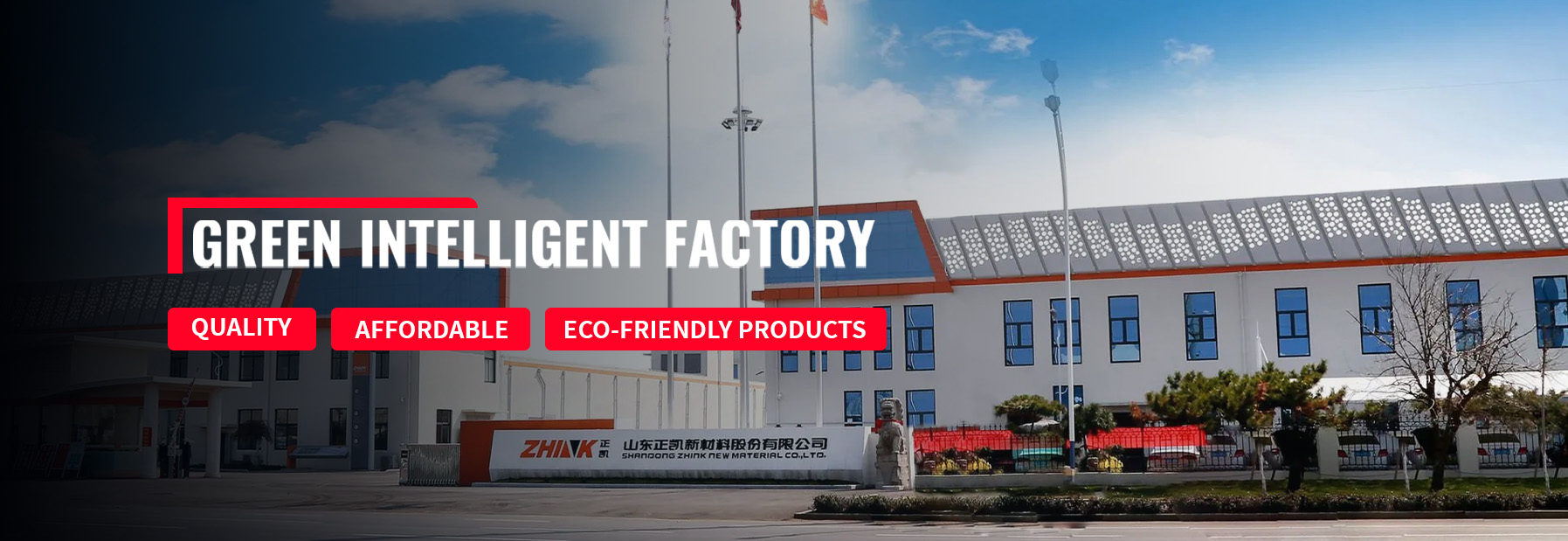
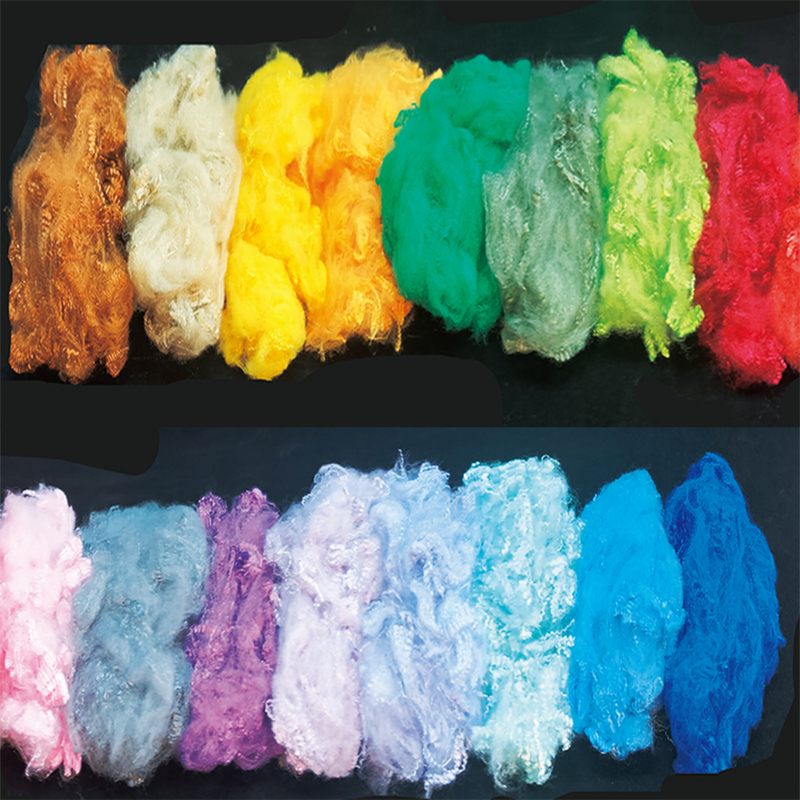
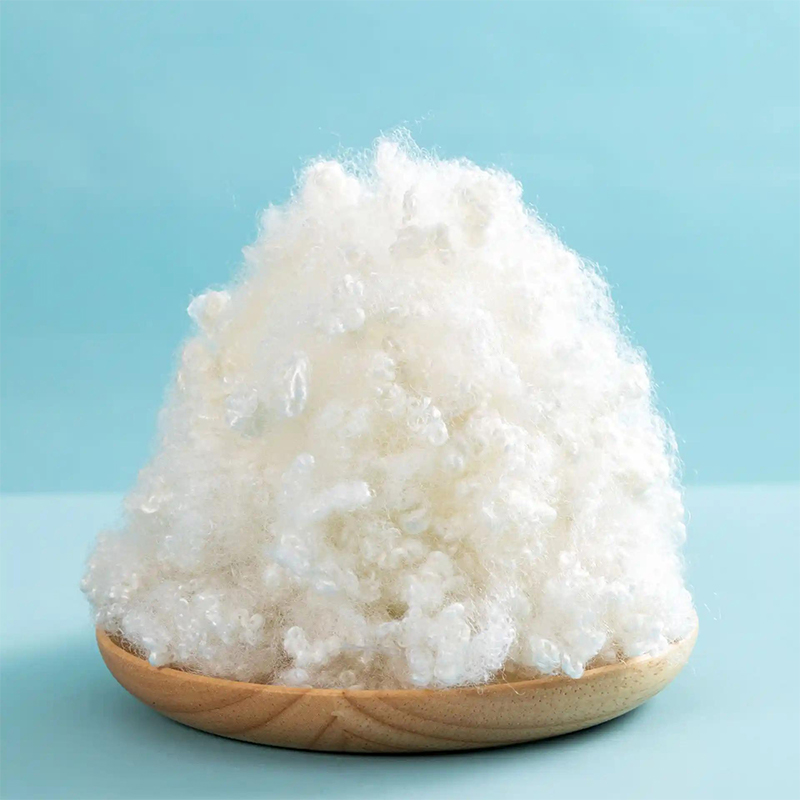
Yellowish-brown polyester fiber
Understanding Yellowish-brown Polyester Fiber: Insights from the Industry
A seemingly ordinary topic, yellowish-brown polyester fiber is steeped in nuances that often escape the untrained eye. This fiber, with its signature hue, finds its niche in numerous applications, often surprising even seasoned industry professionals. But why this color specifically? And how does it integrate into textile production effectively? Let's dig deeper.
The Basics of Polyester Fiber
Polyester fibers are a staple in the textile world, known for their durability and versatility. They're crafted through polymerization and subsequent spinning processes. This synthetic fiber stands out due to its resilience and adaptability in textile manufacturing.
However, when asked about the peculiar aspect of yellowish-brown polyester fiber, it's intriguing because it’s not exactly the most sought-after shade in fashion trends. Yet, it serves its purpose in niches like upholstery or industrial applications where aesthetics play second fiddle to functionality.
From my experience, one common misconception is to underestimate the impact of color on fiber characteristics. This specific hue isn't about trendiness; it’s about fulfilling specific performance criteria, often blending into earthy palettes without vying for attention.
The Production Journey
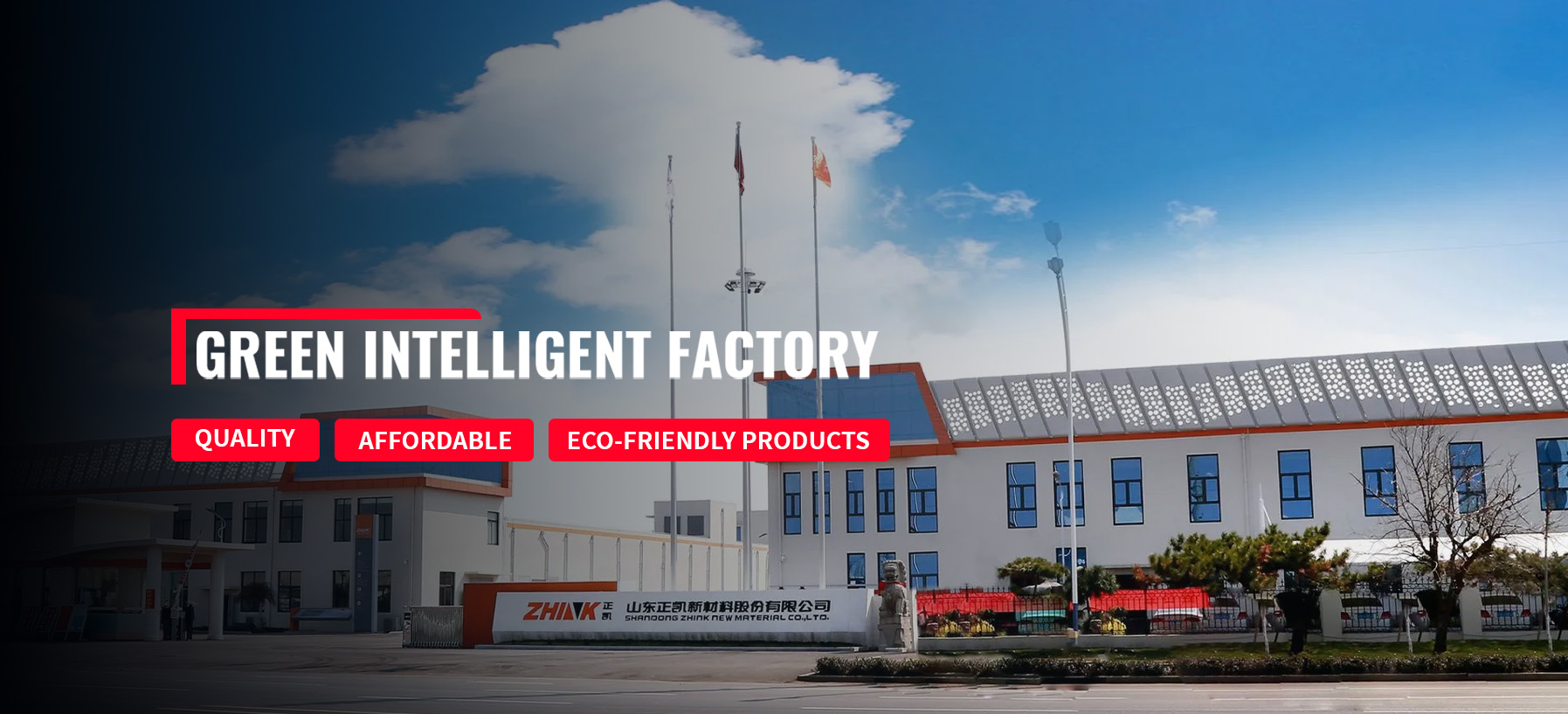
At SHANDONG ZHINK NEW MATERIAL CO., LTD, where our focus is relentless on innovation, every step of fiber production is scrutinized to ensure our materials stand the test of time. You can visit our company at our website for deeper insights into our processes.
The creation of this hue in polyester fibers usually involves precise control during the dyeing process. Color consistency across batches requires meticulous monitoring, especially when fibers undergo rigorous quality checks to meet industry standards.
Precision is vital. One slip in the chemical composition or dye concentrations, and the entire batch can be compromised. This is where experienced technicians and advanced machinery come into play, balancing art and science to produce this reliable, if understated, fiber.
Applications and Challenges
Where does this fiber find its home? Think industrial textiles or products where camouflage into natural environments is beneficial. For instance, outdoor clothing or certain furnishings that blend in with nature might use this fiber.
Real-world challenges often involve ensuring that the fiber's coloration doesn’t fade under exposure to sunlight or harsh weather conditions. This is an area where Zhink New Material excels, innovating ways to reinforce colorfastness without compromising fiber integrity.
Yet, addressing such challenges also means we constantly reassess and adapt our methodologies, sometimes learning more from what doesn’t work than what does. It's a continuous cycle of improvement that shapes industry standards over time.
Market Insights and Trends
Many might dismiss yellowish-brown polyester fiber as a niche product, but the reality speaks otherwise. In a market increasingly leaning towards sustainability and practical applications, this fiber holds its ground firmly.
Recent trends indicate a shift towards environmentally friendly textiles and recycled materials. Polyester often figures into such discussions due to its recyclability, with manufacturers striving to reduce environmental impact while maintaining quality.
Still, the demand curve can fluctuate. Having been in this field, I’ve seen how economic shifts and consumer priorities can cast fibers like these into the spotlight unexpectedly, especially when linked to eco-conscious manufacturing processes.
The Future of Yellowish-brown Polyester Fiber
Looking forward, I see this fiber not just as a product but as an opportunity to innovate in sustainable textile solutions. The potential for enhancing recyclability and reducing production footprints places companies like ours at the forefront of future-oriented textile manufacturing.
From breakthrough research at facilities like our own, we aim to redefine what polyester can do. As the industry evolves, adaptability becomes the keynote, driving us to leverage strengths found in even the simplest of fibers.
The journey with yellowish-brown polyester fiber is far from over. Every development reaffirms its importance, providing lessons in both resilience and creativity—hallmarks of a field that’s always one step ahead.
Related Products
Related Products