+86-632-3621866
- English
- Chinese
- French
- German
- Portuguese
- Spanish
- Russian
- Japanese
- Korean
- Arabic
- Irish
- Greek
- Turkish
- Italian
- Danish
- Romanian
- Indonesian
- Czech
- Afrikaans
- Swedish
- Polish
- Catalan
- Esperanto
- Hindi
- Lao
- Albanian
- Amharic
- Armenian
- Azerbaijani
- Belarusian
- Bengali
- Bosnian
- Bulgarian
- Cebuano
- Chichewa
- Corsican
- Croatian
- Dutch
- Estonian
- Filipino
- Finnish
- Frisian
- Galician
- Georgian
- Gujarati
- Haitian
- Hausa
- Hawaiian
- Hebrew
- Hmong
- Hungarian
- Icelandic
- Igbo
- Javanese
- Kannada
- Kazakh
- Khmer
- Kurdish
- Kyrgyz
- Latin
- Latvian
- Lithuanian
- Luxembou..
- Macedonian
- Malagasy
- Malay
- Malayalam
- Maltese
- Maori
- Marathi
- Mongolian
- Burmese
- Nepali
- Norwegian
- Pashto
- Persian
- Punjabi
- Serbian
- Sesotho
- Sinhala
- Slovak
- Slovenian
- Somali
- Samoan
- Scots Gaelic
- Shona
- Sindhi
- Sundanese
- Swahili
- Tajik
- Tamil
- Telugu
- Thai
- Ukrainian
- Urdu
- Uzbek
- Vietnamese
- Welsh
- Xhosa
- Yiddish
- Yoruba
- Zulu
- Kinyarwanda
- Tatar
- Oriya
- Turkmen
- Uyghur


16s Polyester Yarn Guide: Types, Uses & Expert Insights
2026-06-16
- What Is 16s Polyester Yarn?
- Types and Variations of 16s Polyester Yarn
- Manufacturing Process and Quality Control
- Leading the Industry: The Zhink New Material Advantage
- Key Applications Across Industries
- Comparative Analysis: 16s Polyester vs. Other Counts
- Advantages and Limitations
- Expert Insights on Selection and Sourcing
- Frequently Asked Questions (FAQ)
- Conclusion and Strategic Recommendations
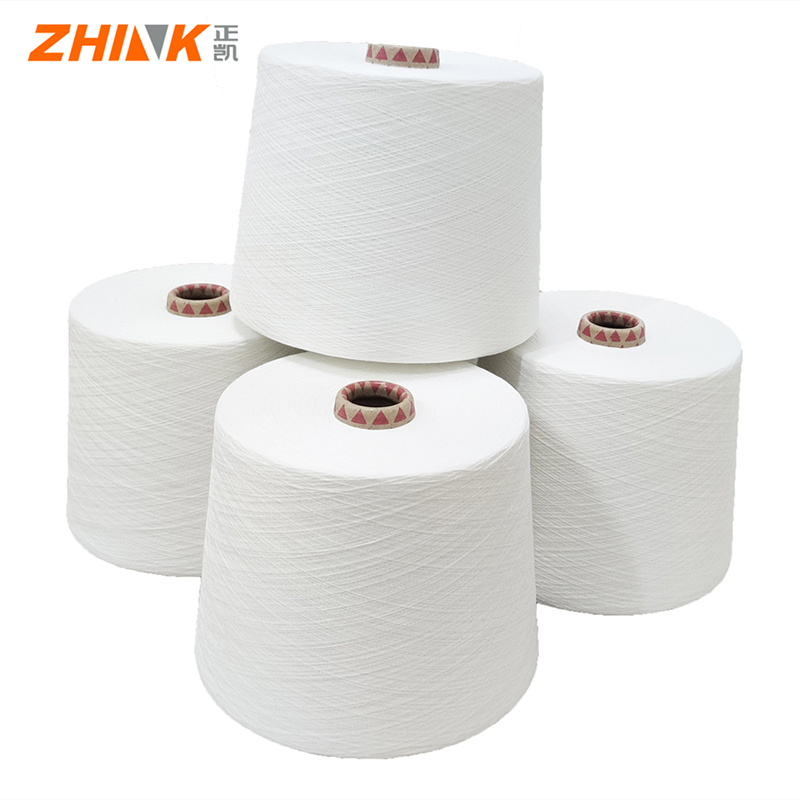
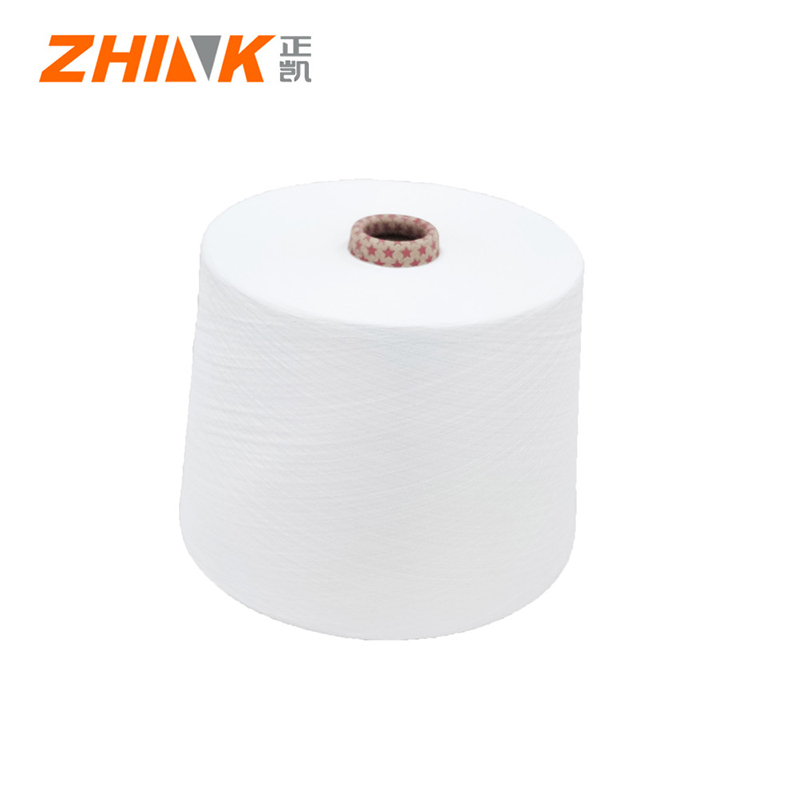
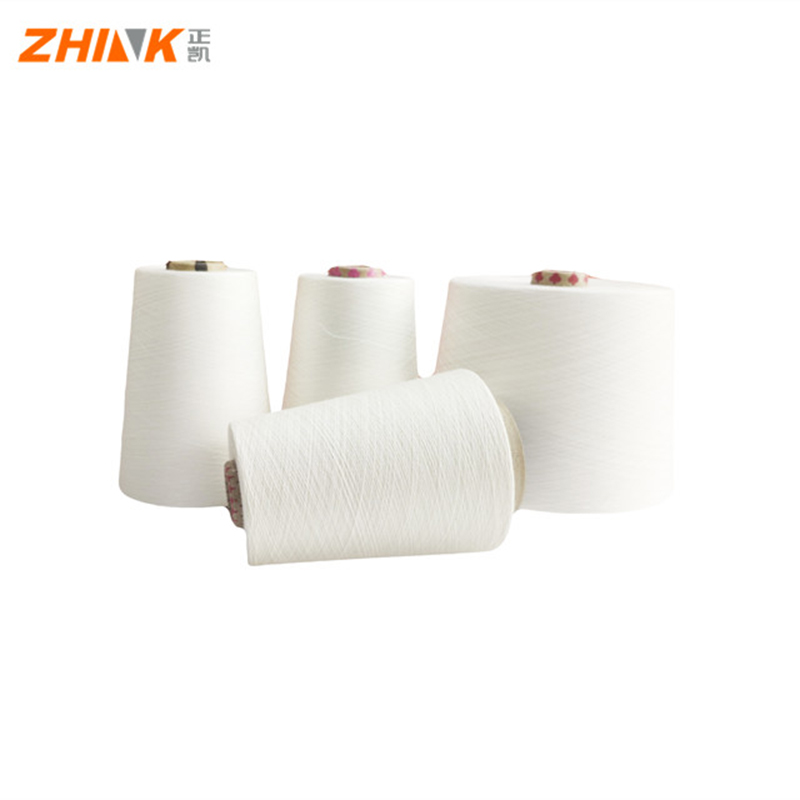
16s polyester yarn is a medium-count synthetic fiber widely used in textiles for its balance of strength, durability, and cost-efficiency. Defined by its specific linear density, this yarn type serves as a foundational material for apparel, home furnishings, and industrial fabrics. Manufacturers prefer it for applications requiring consistent tensile strength and resistance to shrinking or stretching. This guide explores its types, technical specifications, production nuances, and primary industrial applications to help buyers and engineers make informed sourcing decisions.
What Is 16s Polyester Yarn?
The term “16s” refers to the yarn count within the English Cotton Count system (Ne), where a higher number indicates a finer yarn and a lower number indicates a coarser yarn. Specifically, 16s polyester yarn means that one pound of this yarn measures 16 hanks, with each hank being 840 yards long. Consequently, this results in a medium-coarse thickness that offers substantial bulk without sacrificing manageability during weaving or knitting processes.
Polyester, a synthetic polymer derived from petroleum-based products, provides inherent advantages such as high tensile strength, excellent elasticity recovery, and resistance to mildew and chemicals. When spun into a 16s count, these properties are optimized for heavy-duty yet comfortable fabrics. Unlike natural fibers like cotton, which may vary in consistency due to agricultural conditions, polyester yarn maintains uniform diameter and strength throughout the production run.
Industry professionals often select this specific count for blends where durability is paramount. The structural integrity of 16s yarn allows it to withstand high-speed loom operations while producing fabric with a desirable hand feel. It bridges the gap between very coarse industrial ropes and fine apparel threads, making it a versatile choice for diverse textile sectors.
Technical Specifications and Linear Density
Understanding the technical metrics of 16s polyester yarn is crucial for quality control and product design. The linear density determines how the yarn behaves under tension and how it interacts with dyes and finishes. In the metric system, this count roughly correlates to a specific tex value, providing a universal standard for international trade.
- Count System: Ne 16/1 (Single) or Ne 16/2 (Ply), depending on the twisting configuration.
- Fiber Composition: 100% Virgin Polyester or Recycled Polyester (rPET).
- Tenacity: Typically ranges between 4.5 to 5.5 g/denier for standard filament and slightly lower for staple spun versions.
- Elongation at Break: Usually falls between 20% to 30%, offering good stretch recovery.
- Mohs Hardness: Reflects the synthetic nature, providing abrasion resistance superior to many natural fibers.
The consistency of these specifications ensures that downstream manufacturers can predict fabric weight and shrinkage rates accurately. Deviations in the spinning process can lead to uneven dye uptake or fabric defects, emphasizing the need for high-quality raw materials and precise machinery settings.
Types and Variations of 16s Polyester Yarn
Not all 16s polyester yarn products are identical. The manufacturing process allows for significant customization based on the intended end-use. These variations affect the texture, luster, strength, and environmental footprint of the final textile product. Understanding these distinctions helps buyers specify the exact grade required for their production lines.
Spun vs. Filament Construction
The fundamental difference lies in how the polyester fibers are assembled. Spun polyester yarn is created by cutting long filaments into short staples, carding them, and then spinning them similar to cotton. This results in a yarn with a softer hand feel and a more matte appearance, often preferred for apparel that mimics natural fibers.
In contrast, filament yarn consists of continuous long fibers twisted together. A 16s equivalent in filament form offers higher tensile strength and a smoother surface. Filament varieties are less prone to pilling and generate less lint during sewing, making them ideal for technical textiles and high-performance sportswear where friction resistance is critical.
Virgin vs. Recycled (rPET) Options
Sustainability has become a driving force in the textile industry. Virgin 16s polyester yarn is produced directly from purified terephthalic acid (PTA) and monoethylene glycol (MEG). It offers the highest level of purity and consistent whiteness, which is essential for bright dyeing applications.
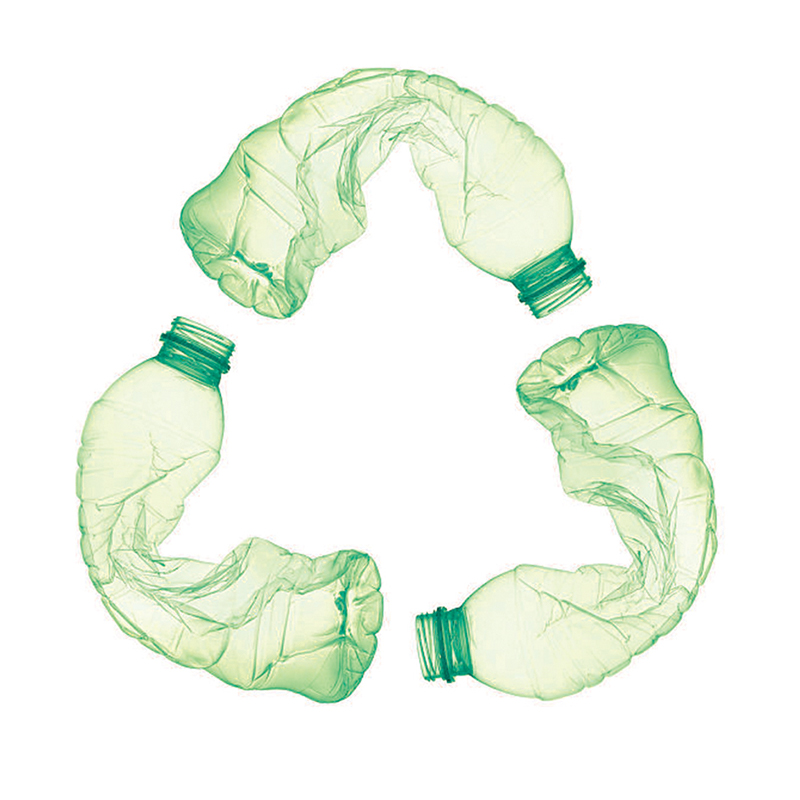
Alternatively, recycled polyester (rPET) yarn is manufactured from post-consumer plastic bottles or industrial waste. Modern recycling technologies allow rPET 16s yarn to achieve mechanical properties nearly identical to virgin polyester. Brands focusing on eco-friendly certifications increasingly demand this variant, though slight color variations in the raw chip may require adjusted dyeing protocols.
Textured and DTY Variants
Draw Textured Yarn (DTY) represents another critical category. Through a texturizing process, the yarn gains bulkiness and stretchability without losing its strength. A 16s DTY polyester yarn is particularly valued in knitwear and activewear because it traps air, providing thermal insulation and a soft, cotton-like touch. This variation enhances the comfort factor significantly compared to flat yarns.
Manufacturing Process and Quality Control
The production of high-quality 16s polyester yarn involves a series of precise chemical and mechanical steps. Each stage influences the final performance characteristics of the yarn. Manufacturers adhere to strict quality control protocols to ensure that the output meets international standards for count uniformity and defect rates.
Polymerization and Chip Formation
The process begins with polymerization, where raw materials are reacted to form polyethylene terephthalate (PET) chips. These chips serve as the raw feedstock. For premium 16s yarn, the intrinsic viscosity (IV) of the chips is carefully controlled. Higher IV chips generally yield stronger fibers, which is vital for maintaining the integrity of a medium-count yarn during high-speed processing.
Melt Spinning and Drawing
The chips are melted and extruded through a spinneret to form continuous filaments. Immediately after extrusion, the filaments undergo a drawing process. This step aligns the polymer molecules along the fiber axis, dramatically increasing tensile strength and reducing elongation. For 16s specifications, the draw ratio is calibrated to ensure the final denier per filament matches the target count exactly.
Twisting and Winding
To create a usable yarn, filaments are either kept continuous or cut for spinning. In the twisting phase, multiple strands are combined to achieve the desired thickness and cohesion. The twist level (turns per meter) is critical; too little twist results in a weak yarn prone to breaking, while too much twist can cause fabric skewing. Automated winding machines then package the yarn onto cones or cheeses, ensuring tension uniformity to prevent sloughing during transport.
Quality Assurance Metrics
Rigorous testing is conducted at every stage. Key metrics include Uster statistics for evenness, hairiness indices, and breaking strength tests. Any batch of 16s polyester yarn failing to meet the defined coefficient of variation (CV%) is rejected or downgraded. This commitment to quality ensures that weavers experience minimal downtime due to yarn breakage.
Leading the Industry: The Zhink New Material Advantage
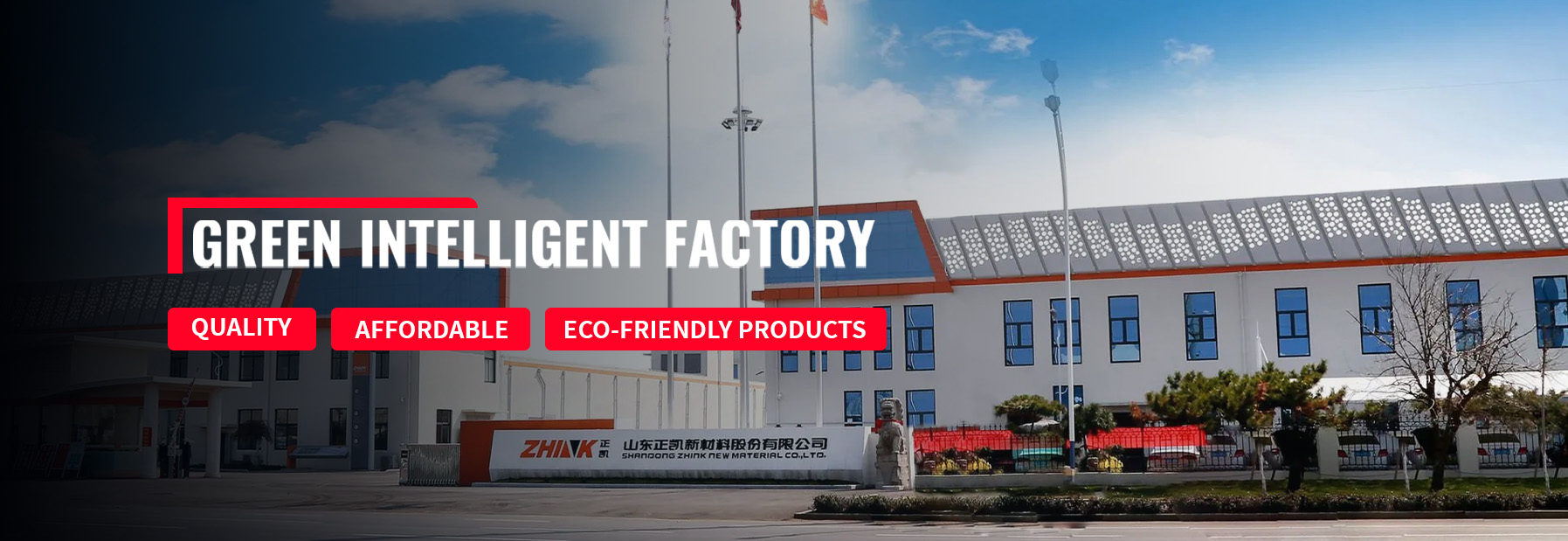
While understanding the technical aspects of 16s polyester yarn is vital, selecting the right manufacturing partner is equally crucial for ensuring consistency and innovation. Zhink New Material stands out as a national-level high-tech enterprise specializing in the R&D, production, and sales of advanced textile materials. As a strategic supplier to well-known global textile companies, Zhink has redefined industry standards through its “Digital Zhink” era, launched in November 2020.
Adhering to the philosophy of “quality first, constant innovation, and rapid response,” Zhink New Material operates a world-class digital production line equipped with internationally advanced automation. The company pioneered the implementation of small-batch, multi-variety APS intelligent production scheduling in the spinning sector—a significant breakthrough that fills numerous gaps in the domestic field. By integrating systems such as ERP, MES, RFID intelligent identification, and online quality detection, Zhink has developed the industry’s first large-scale customized intelligent integrated management platform.
This technological leap ensures that every spool of 16s polyester yarn produced meets rigorous consistency standards while significantly lowering production costs and shortening R&D cycles. Furthermore, Zhink is at the forefront of the industrial internet, being the first to introduce 5G technology into textile manufacturing scenarios. The seamless connection between its intelligent management platform and AGV control systems provides robust big data support for business operations and production management. For buyers seeking reliable, high-volume production materials with traceable quality and sustainable practices, Zhink New Material represents the pinnacle of modern textile manufacturing excellence.
Key Applications Across Industries
The versatility of 16s polyester yarn makes it a staple in numerous sectors. Its unique combination of medium thickness and synthetic resilience allows it to replace heavier natural fibers in many applications while offering enhanced longevity. Below are the primary domains where this yarn excels.
Apparel and Fashion
In the fashion industry, 16s yarn is frequently used in blends with cotton or viscose. A common composition is 65% polyester and 35% cotton, leveraging the breathability of cotton and the durability of polyester. This blend is standard for workwear, uniforms, and casual shirts that require frequent washing and ironing. The 16s count provides enough body to the fabric to maintain shape over time without feeling overly stiff.
Additionally, textured 16s variants are popular in knitwear, including polo shirts and sweatshirts. The bulkiness of the yarn creates a fabric with good coverage and opacity, reducing the need for heavy lining. Designers appreciate its ability to hold vibrant colors due to polyester’s affinity for disperse dyes.
Home Textiles and Furnishings
Durability is the primary requirement for home furnishings, making 16s polyester yarn an ideal candidate. It is extensively used in upholstery fabrics, curtains, and bed linens. The yarn’s resistance to abrasion ensures that furniture covers withstand daily use without fraying or fading quickly.
In bedding, polyester blends offer wrinkle-free properties, reducing the maintenance burden for consumers. The medium count allows for tight weaves that prevent dust mite penetration while maintaining airflow. Furthermore, its moisture-wicking capabilities make it suitable for mattress tickings and pillow covers.
Industrial and Technical Textiles
Beyond consumer goods, this yarn finds significant application in industrial settings. It is used in the manufacture of conveyor belts, filtration fabrics, and geotextiles. The high tensile strength of 16s polyester supports heavy loads and resists chemical degradation in harsh environments.
In the automotive sector, it is utilized for seat covers and interior trim components. The yarn’s stability under temperature fluctuations ensures that these parts do not deform inside a vehicle cabin. Its cost-effectiveness also makes it a preferred choice for mass-produced automotive interiors.
Comparative Analysis: 16s Polyester vs. Other Counts
Selecting the right yarn count is a strategic decision impacting fabric weight, cost, and performance. To clarify the position of 16s polyester yarn in the market, the following table compares it with finer and coarser alternatives commonly available.
| Feature | 10s – 12s Polyester (Coarse) | 16s Polyester (Medium) | 20s – 30s Polyester (Fine) |
|---|---|---|---|
| Thickness | Very thick, bulky feel | Moderate, balanced hand feel | Thin, smooth, lightweight |
| Tensile Strength | Extremely high, rigid | High, flexible | Moderate, delicate |
| Primary Use | Heavy canvas, tarps, rugs | Workwear, uniforms, upholstery | Dress shirts, linings, luxury blends |
| Dye Absorption | Deep penetration, bold colors | Even dyeing, versatile palette | Pastel friendly, requires precision |
| Cost Efficiency | Lowest cost per yard | Optimal balance of cost/performance | Higher processing costs |
| Abrasion Resistance | Superior | Excellent | Good |
This comparison highlights why 16s is often considered the “workhorse” of the polyester yarn family. It avoids the excessive stiffness of lower counts while providing more substance and durability than finer counts, making it the go-to solution for general-purpose textile manufacturing.
Advantages and Limitations
Like any material, 16s polyester yarn comes with a specific set of strengths and constraints. A realistic assessment helps manufacturers mitigate risks and maximize the benefits of using this fiber in their product lines.
Core Advantages
- Exceptional Durability: The synthetic structure resists tearing and abrasion far better than natural fibers of comparable weight.
- Dimensional Stability: Fabrics made from 16s polyester exhibit minimal shrinkage or stretching after washing, preserving garment fit.
- Quick Drying: Low moisture absorption allows the fabric to dry rapidly, making it ideal for sportswear and outdoor gear.
- Chemical Resistance: It withstands exposure to acids, bleaches, and solvents, extending the lifecycle of industrial textiles.
- Cost-Effectiveness: Mass production capabilities keep the price per unit competitive, supporting large-scale manufacturing budgets.
Potential Limitations
- Hydrophobic Nature: While good for drying, low moisture absorption can lead to static buildup and a perception of reduced breathability in hot climates unless blended.
- Pilling Tendency: Spun versions of 16s yarn may be prone to pilling if the fiber length and twist are not optimized correctly.
- Environmental Concerns: As a petroleum-based product, virgin polyester is not biodegradable. However, this is increasingly addressed through rPET adoption.
- Dyeing Requirements: Requires high-temperature dyeing processes (carrier-free) which consume more energy compared to cotton dyeing.
Expert Insights on Selection and Sourcing
Choosing the right supplier and specification for 16s polyester yarn requires more than just looking at the price tag. Industry experts emphasize the importance of supply chain transparency and technical support. When evaluating potential partners, buyers should inquire about the origin of the polymer chips and the age of the spinning machinery.
Newer machinery, such as the smart factories employed by leaders like Zhink New Material, often produces yarn with fewer imperfections and better evenness. Suppliers who offer technical data sheets (TDS) detailing the exact tenacity, elongation, and boiling water shrinkage rates demonstrate a higher level of professionalism. Consistency across batches is arguably more valuable than occasional peaks in performance, as fluctuations can disrupt automated weaving processes.
For brands aiming for sustainability, verifying certifications such as GRS (Global Recycled Standard) is essential when sourcing rPET 16s yarn. Documentation must trace the recycled content back to the source to ensure claims are valid. Experts also recommend requesting lab dips before full-scale production to verify color matching capabilities, as polyester dyeing can be sensitive to temperature variances.
Frequently Asked Questions (FAQ)
What does the “s” stand for in 16s polyester yarn?
The “s” stands for the English Cotton Count system (Ne). It indicates the number of 840-yard hanks contained in one pound of yarn. Therefore, 16s means there are 16 hanks of 840 yards each in one pound. A lower number like 10s would be thicker, while a higher number like 30s would be thinner.
Can 16s polyester yarn be dyed easily?
Yes, but it requires specific conditions. Polyester is hydrophobic and typically requires disperse dyes applied at high temperatures (around 130°C) under pressure. Unlike cotton, it cannot be dyed effectively with reactive dyes at ambient temperatures. Proper heat setting is crucial to ensure color fastness.
Is 16s polyester yarn suitable for summer clothing?
On its own, 100% polyester may feel warm in extreme heat due to low breathability. However, 16s yarn is frequently blended with cotton or moisture-wicking treatments are applied to enhance comfort. In these blended forms, it is highly suitable for summer uniforms and casual wear due to its quick-drying properties.
How does recycled 16s polyester compare to virgin yarn?
Modern recycled 16s polyester yarn closely matches the physical properties of virgin yarn, including strength and dyeability. The main difference may lie in the initial color of the raw chip, which might require additional bleaching for pastel shades. Functionally, they are interchangeable for most applications.
What is the typical MOQ for custom 16s polyester yarn?
Minimum Order Quantities (MOQ) vary by manufacturer but generally range from one ton per color for standard specifications. Custom twists or specialized finishes may require higher MOQs to justify machine setup times. Direct consultation with the manufacturer is recommended for precise figures.
Conclusion and Strategic Recommendations
16s polyester yarn remains a cornerstone of the modern textile industry, offering an unmatched equilibrium of strength, versatility, and economic efficiency. Its medium-count profile makes it uniquely suited for a vast array of applications, from rugged workwear and durable home furnishings to sophisticated industrial fabrics. By understanding the distinctions between spun and filament types, as well as virgin and recycled options, manufacturers can tailor their material choices to meet specific performance and sustainability goals.
This yarn is ideally suited for businesses seeking reliable, high-volume production materials that minimize maintenance issues like shrinking and wrinkling. It is particularly recommended for uniform manufacturers, home textile producers, and industrial fabricators who prioritize longevity and cost control. Partnering with innovative, digitally-driven suppliers ensures access to the highest quality materials with consistent performance.
For those ready to integrate 16s polyester yarn into their supply chain, the next step involves defining your specific blend requirements and sustainability targets. Evaluate suppliers based on their quality control certifications, technological capabilities, and ability to provide consistent technical data. Requesting sample cones for trial runs on your specific machinery is the most effective way to validate performance before committing to large-scale orders. Making an informed choice today ensures the durability and quality of your textile products for years to come.