+86-632-3621866
- English
- Chinese
- French
- German
- Portuguese
- Spanish
- Russian
- Japanese
- Korean
- Arabic
- Irish
- Greek
- Turkish
- Italian
- Danish
- Romanian
- Indonesian
- Czech
- Afrikaans
- Swedish
- Polish
- Catalan
- Esperanto
- Hindi
- Lao
- Albanian
- Amharic
- Armenian
- Azerbaijani
- Belarusian
- Bengali
- Bosnian
- Bulgarian
- Cebuano
- Chichewa
- Corsican
- Croatian
- Dutch
- Estonian
- Filipino
- Finnish
- Frisian
- Galician
- Georgian
- Gujarati
- Haitian
- Hausa
- Hawaiian
- Hebrew
- Hmong
- Hungarian
- Icelandic
- Igbo
- Javanese
- Kannada
- Kazakh
- Khmer
- Kurdish
- Kyrgyz
- Latin
- Latvian
- Lithuanian
- Luxembou..
- Macedonian
- Malagasy
- Malay
- Malayalam
- Maltese
- Maori
- Marathi
- Mongolian
- Burmese
- Nepali
- Norwegian
- Pashto
- Persian
- Punjabi
- Serbian
- Sesotho
- Sinhala
- Slovak
- Slovenian
- Somali
- Samoan
- Scots Gaelic
- Shona
- Sindhi
- Sundanese
- Swahili
- Tajik
- Tamil
- Telugu
- Thai
- Ukrainian
- Urdu
- Uzbek
- Vietnamese
- Welsh
- Xhosa
- Yiddish
- Yoruba
- Zulu
- Kinyarwanda
- Tatar
- Oriya
- Turkmen
- Uyghur


Polyester Short Fiber Yarn Guide 2026: Types, Uses & Expert Insights
2026-06-19
- What Is Polyester Short Fiber Yarn?
- Key Types and Classifications in 2026
- Manufacturing Process Overview
- Industry Spotlight: Leading the Digital Transformation
- Advantages and Limitations Analysis
- Comparison: Polyester Short Fiber vs. Cotton and Filament Polyester
- Major Applications Across Industries
- Expert Insights and Market Trends for 2026
- Frequently Asked Questions (FAQ)
- Conclusion and Selection Guide
Polyester short fiber yarn is a versatile textile material produced by spinning staple fibers derived from polyethylene terephthalate (PET). Widely used in apparel, home textiles, and industrial applications, it offers exceptional durability, moisture-wicking properties, and cost-effectiveness. This 2026 guide explores its types, manufacturing processes, key applications, and expert insights to help industry professionals make informed sourcing and production decisions.
What Is Polyester Short Fiber Yarn?
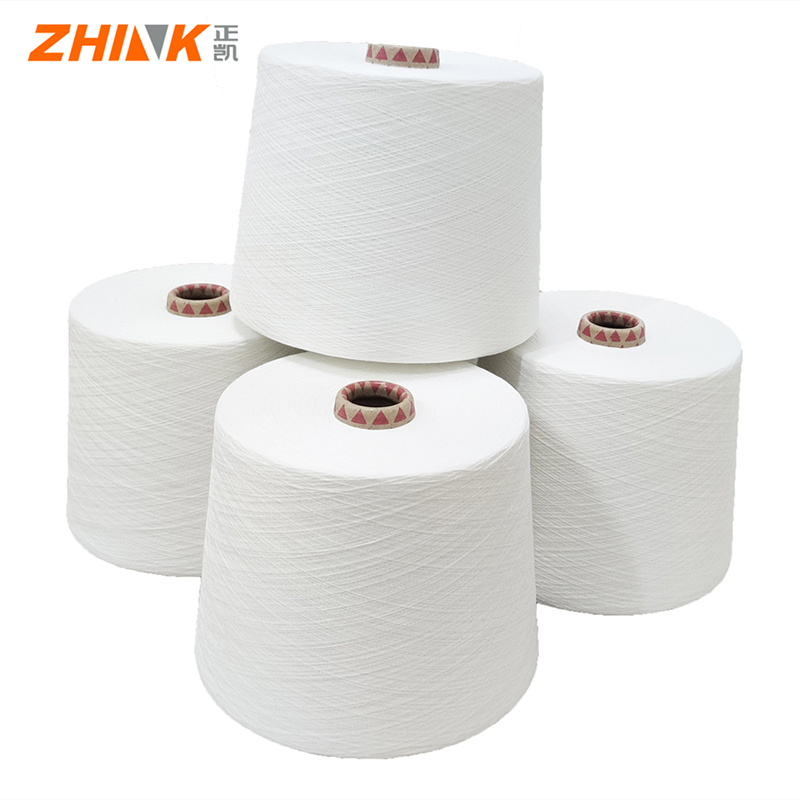
Polyester short fiber yarn, often referred to as spun polyester yarn, is created by cutting continuous polyester filaments into short lengths, known as staples. These staples are then carded, drawn, and spun into yarn using traditional ring or open-end spinning systems. Unlike filament yarns, which consist of continuous strands, short fiber yarn mimics the texture and handle of natural fibers like cotton while retaining the synthetic advantages of polyester.
The production process begins with polymer chips that are melted and extruded into filaments. These filaments are subsequently cut to specific lengths, typically ranging from 32mm to 150mm, depending on the intended end-use. The resulting yarn combines the strength and chemical resistance of polyester with the breathability and softness associated with staple fiber constructions.
Industry experts recognize this material as a cornerstone of modern textile manufacturing due to its adaptability. It serves as a primary component in blended fabrics, offering a balanced solution for performance and comfort. The versatility of polyester staple fiber allows manufacturers to engineer fabrics with specific characteristics, such as enhanced pilling resistance or improved dye affinity.
Key Types and Classifications in 2026
The market for polyester short fiber yarn has evolved significantly, with manufacturers developing specialized variants to meet diverse industry demands. Understanding these classifications is crucial for selecting the right material for specific applications.
Virgin vs. Recycled Polyester Staple Yarn
The distinction between virgin and recycled feedstocks is a primary classification factor. Virgin polyester short fiber yarn is produced directly from petrochemical sources, ensuring consistent quality, high brightness, and uniform tensile strength. It remains the preferred choice for high-end apparel and technical textiles where performance consistency is paramount.
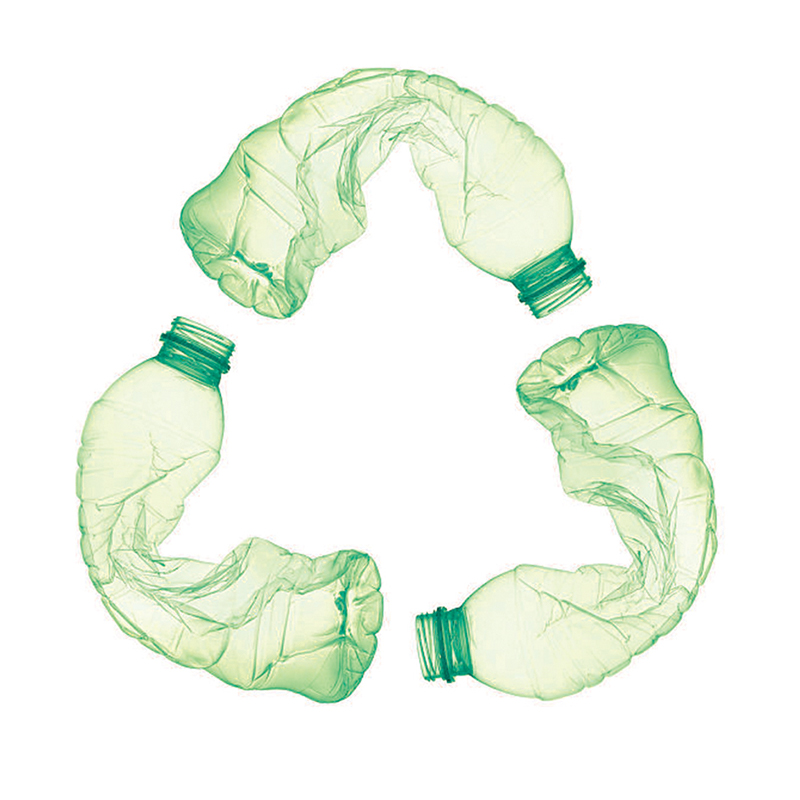
Conversely, recycled polyester (rPET) yarn is gaining substantial traction due to global sustainability mandates. Produced from post-consumer plastic bottles or industrial waste, rPET yarn reduces carbon footprint and energy consumption. Modern processing technologies have narrowed the performance gap between virgin and recycled options, making rPET a viable alternative for many mainstream applications.
Fiber Length and Denier Variations
Fiber length plays a critical role in the final yarn characteristics. Shorter staples, often around 32-38mm, are typically used for cotton-like blends, providing a soft hand feel suitable for t-shirts and undergarments. Longer staples, ranging from 51mm to 150mm, are employed in woolen blends or industrial applications requiring higher tenacity and reduced hairiness.
Denier per filament (DPF) also dictates the yarn’s texture. Fine denier fibers create softer, silk-like fabrics, while coarse denier fibers contribute to bulkier, more durable structures used in upholstery and outerwear. Manufacturers can customize these parameters to achieve specific fabric weights and drapes.
Functional Modifications
Advanced engineering has introduced functionally modified polyester short fibers. These include:
- Flame-retardant yarns: Essential for protective workwear, curtains, and automotive interiors, these fibers contain additives that inhibit combustion.
- Anti-static variants: Crucial for electronic cleanrooms and industrial settings, preventing charge buildup.
- Moisture-management fibers: Engineered with cross-sectional modifications to enhance wicking, ideal for sportswear.
- Hollow conjugated fibers: Providing superior insulation and loft for winter apparel and bedding.
Manufacturing Process Overview
Understanding the production workflow provides insight into the quality determinants of polyester short fiber yarn. The process integrates chemical engineering with mechanical spinning techniques to transform raw polymers into usable textile threads.
Step-by-Step Production Flow
The transformation from polymer to yarn involves several precise stages. Each step influences the final yarn’s evenness, strength, and appearance.
- Polymerization and Extrusion: Raw materials are melted and forced through spinnerets to form continuous filaments.
- Drawing and Crimping: Filaments are stretched to align molecular chains, enhancing strength, then crimped to add bulk and cohesion.
- Cutting: Continuous tow is cut into precise staple lengths according to customer specifications.
- Baling and Blending: Staples are baled and often blended with other fibers like cotton or viscose before spinning.
- Carding: Fibers are disentangled and aligned into a loose strand called a sliver.
- Drawing: Multiple slivers are combined and stretched to improve uniformity and parallel alignment.
- Spinning: The drawn sliver is twisted into yarn using ring spinning for high quality or rotor spinning for efficiency.
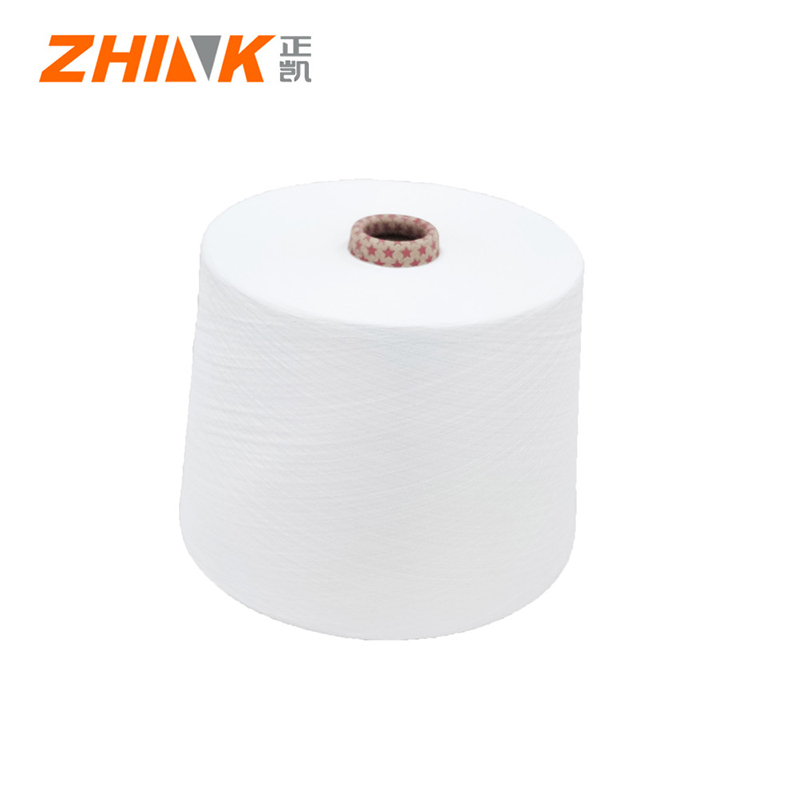
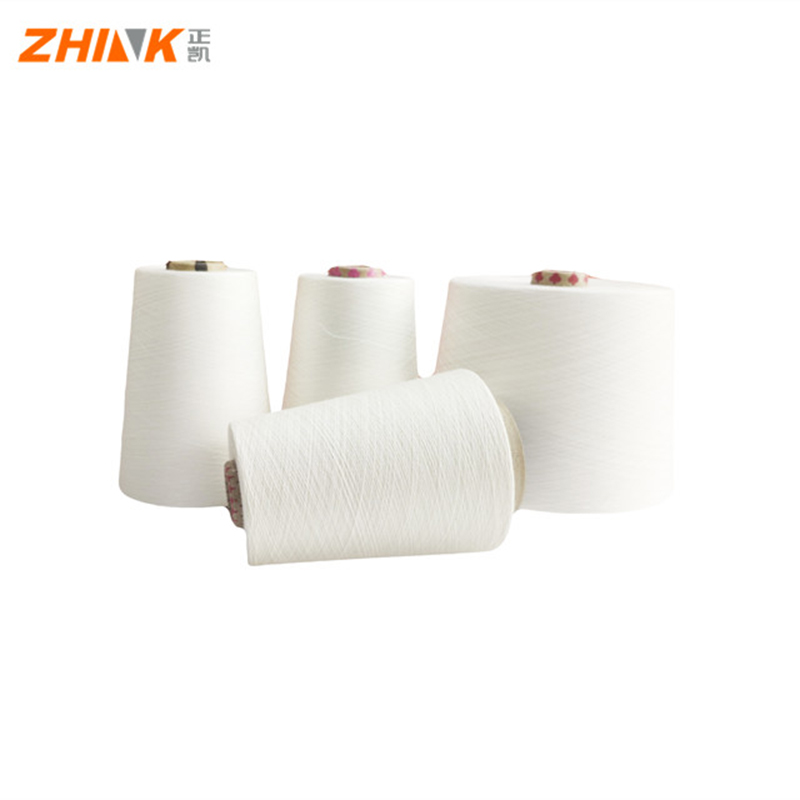
- Winding and Packaging: Finished yarn is wound onto cones or packages for shipment.
This systematic approach ensures that the resulting spun polyester yarn meets rigorous industry standards for tensile strength and elongation. Advances in automation have further minimized defects, leading to higher yields and consistent quality across batches.
Industry Spotlight: Leading the Digital Transformation
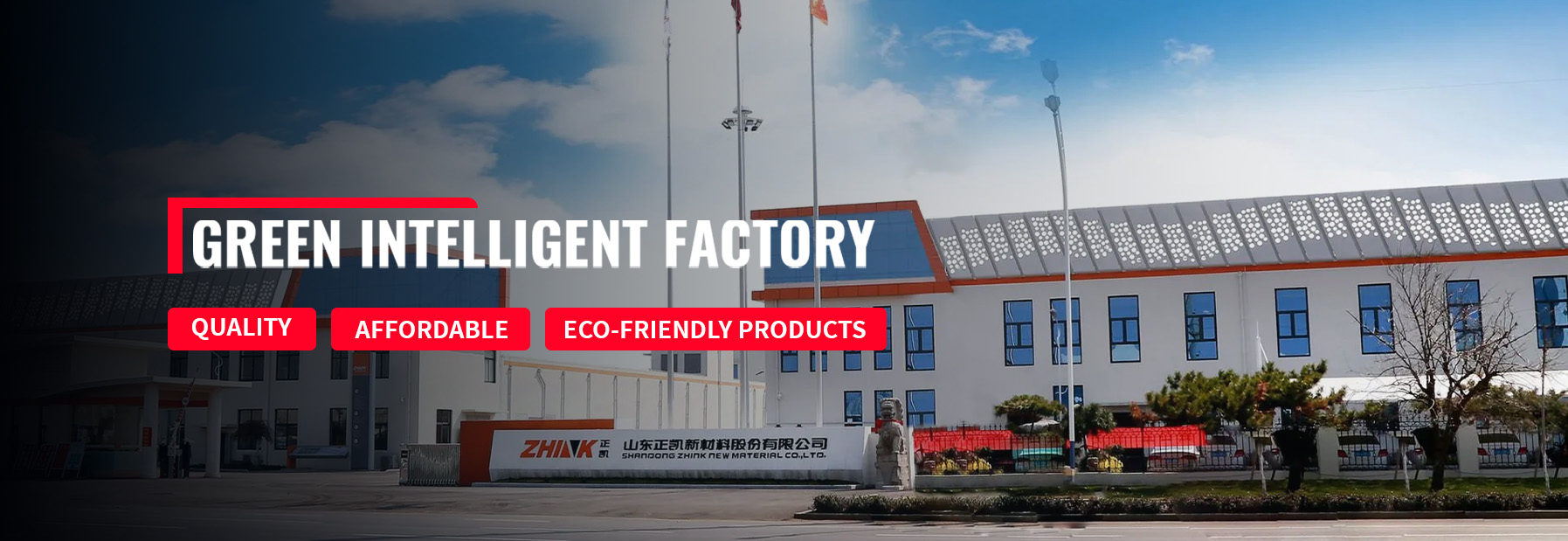
As the textile sector moves toward Industry 4.0, the gap between theoretical manufacturing capabilities and real-world execution is being bridged by innovative enterprises. A prime example is Zhink New Material, a national-level high-tech enterprise specializing in the R&D, production, and sales of advanced textile materials. As a strategic supplier to well-known global textile companies, Zhink exemplifies how modern technology elevates the production of materials like polyester short fiber yarn.
Adhering to a philosophy of “quality first, constant innovation, and rapid response,” Zhink New Material has pioneered the “Digital Zhink” era since completing its smart manufacturing project in late 2020. By integrating internationally advanced automation with 5G technology, the company has established the industry’s first large-scale customized intelligent integrated management platform. This system seamlessly connects ERP, MES, RFID identification, and AGV control systems, enabling small-batch, multi-variety APS intelligent production scheduling—a significant breakthrough in the spinning sector.
The impact of this digital integration is profound. For buyers of polyester staple fiber, partnering with such forward-thinking suppliers means access to products with superior consistency, significantly lower production costs, and drastically shortened R&D cycles. Through real-time quality online detection and full material traceability, Zhink ensures that every batch of yarn meets exacting standards, filling numerous gaps in domestic capabilities and setting a new benchmark for intelligent textile development worldwide.
Advantages and Limitations Analysis
Evaluating the pros and cons of polyester short fiber yarn helps businesses determine its suitability for specific product lines. While it offers numerous benefits, certain limitations must be considered during the design phase.
Core Advantages
The widespread adoption of this material stems from its robust performance profile. Key benefits include:
- Durability: High tensile strength and abrasion resistance ensure long-lasting products that withstand repeated washing and wear.
- Dimensional Stability: Minimal shrinkage and excellent shape retention make it ideal for structured garments and home furnishings.
- Cost-Efficiency: Generally more affordable than natural fibers like cotton or wool, offering a competitive edge in mass production.
- Chemical Resistance: Resistant to most acids, alkalis, and solvents, facilitating easy care and maintenance.
- Quick Drying: Low moisture absorption allows for rapid drying, reducing energy costs in laundering and enhancing comfort in active wear.
Potential Limitations
Despite its strengths, there are areas where polyester staple fiber may require modification or blending:
- Hydrophobic Nature: Pure polyester can feel clammy against the skin in hot conditions due to poor moisture absorption, though hydrophilic finishes can mitigate this.
- Pilling Tendency: Short fibers can work loose from the yarn structure and form pills on the fabric surface, especially in lower-quality spins.
- Static Buildup: Without anti-static treatments, the material can generate static electricity, attracting dust and causing discomfort.
- Environmental Concerns: Virgin polyester is petroleum-based and non-biodegradable, driving the industry shift toward recycled alternatives.
Comparison: Polyester Short Fiber vs. Cotton and Filament Polyester
To contextualize the value of polyester short fiber yarn, it is essential to compare it with common alternatives. The following table highlights key differences in performance and application.
| Feature | Polyester Short Fiber Yarn | Cotton Yarn | Polyester Filament Yarn |
|---|---|---|---|
| Texture | Soft, matte, natural feel | Very soft, breathable | Smooth, shiny, synthetic feel |
| Strength | High | Moderate (weakens when wet) | Very High |
| Moisture Absorption | Low (unless modified) | High | Very Low |
| Drying Speed | Fast | Slow | Very Fast |
| Wrinkle Resistance | Excellent | Poor | Excellent |
| Cost | Low to Moderate | Moderate to High | Low |
| Primary Use | Blends, apparel, home text | Casual wear, towels | Sportswear, linings |
This comparison illustrates why polyester short fiber yarn is often the optimal choice for blends. It bridges the gap between the comfort of cotton and the performance of filament polyester, creating fabrics that are both user-friendly and resilient.
Major Applications Across Industries
The versatility of polyester staple fiber enables its use across a broad spectrum of industries. From fashion runways to heavy-duty industrial setups, its applications are diverse and expanding.
Apparel and Fashion
In the clothing sector, this yarn is predominantly used in blends with cotton, wool, or rayon. Poly-cotton blends, for instance, leverage the softness of cotton and the durability of polyester, resulting in shirts, trousers, and uniforms that resist wrinkling and fading. High-performance sportswear also utilizes modified short fibers to manage moisture and regulate body temperature effectively.
Home Textiles
The home furnishing industry relies heavily on spun polyester yarn for bed linens, curtains, and upholstery. Its colorfastness ensures that designs remain vibrant after prolonged exposure to sunlight and washing. Furthermore, its resilience makes it an excellent candidate for high-traffic furniture covers that must withstand daily wear and tear.
Industrial and Technical Textiles
Beyond consumer goods, specialized grades of polyester short fiber yarn serve critical industrial roles. Applications include:
- Filter Media: Used in air and liquid filtration systems due to chemical stability and thermal resistance.
- Geotextiles: Employed in civil engineering for soil stabilization and drainage, benefiting from the fiber’s rot resistance.
- Automotive Interiors: Utilized in seat covers, headliners, and carpeting for their durability and ease of cleaning.
- Sewing Threads: High-tenacity variants provide strong, reliable seams for leather goods and heavy canvas products.
Expert Insights and Market Trends for 2026
As we navigate through 2026, the landscape for polyester short fiber yarn is shaped by technological innovation and shifting regulatory environments. Industry leaders emphasize several emerging trends that will define the future of this sector.
Sustainability as a Core Driver
The transition toward circular economy models is accelerating. Manufacturers are increasingly investing in closed-loop recycling systems to produce high-quality rPET yarn. Consumer demand for eco-friendly products has pushed brands to disclose supply chain transparency, favoring suppliers who can verify the recycled content of their fibers. Expect to see a rise in certified sustainable yarns becoming the standard rather than the exception.
Technological Advancements in Spinning
Innovations in spinning machinery are enabling the production of finer, more uniform yarns with fewer imperfections. Automated quality control systems using AI-driven vision inspection are reducing waste and ensuring consistent output. These advancements allow for the creation of premium-grade staple yarns that can compete directly with luxury natural fibers in terms of hand feel and aesthetics.
Functional Integration
The integration of smart functionalities directly into the fiber matrix is gaining momentum. Future iterations of polyester short fiber yarn may include embedded sensors for health monitoring or phase-change materials for advanced thermal regulation. This shift from passive to active textiles opens new avenues for growth in healthcare and sports technology sectors.
Frequently Asked Questions (FAQ)
Addressing common queries helps clarify uncertainties regarding the specification and usage of polyester short fiber yarn.
What is the difference between polyester filament and short fiber yarn?
Polyester filament yarn consists of continuous strands, resulting in a smooth, shiny fabric often used in sportswear. In contrast, polyester short fiber yarn is made from cut staples, giving it a softer, fuzzier texture similar to cotton. Short fiber yarn is generally more breathable and better suited for blending with natural fibers.
Is polyester short fiber yarn eco-friendly?
While virgin polyester is derived from fossil fuels, the industry has made significant strides in sustainability. Recycled polyester short fiber yarn, made from post-consumer waste, offers a much lower environmental impact. Additionally, the durability of polyester extends the lifespan of products, reducing the frequency of replacement and overall waste.
Can polyester short fiber yarn be dyed easily?
Yes, but it requires specific disperse dyes and high-temperature processes. Unlike natural fibers that absorb reactive or acid dyes, polyester needs heat to open the fiber structure for dye penetration. However, once dyed, the colorfastness is exceptional, resisting fading from washing and UV exposure.
What are the common blend ratios for this yarn?
The most common blend is 65% polyester and 35% cotton, known as CVC or TC depending on the dominant fiber. Other popular ratios include 50/50 for balanced properties and 80/20 for increased durability. Blending allows manufacturers to tailor the fabric’s cost, comfort, and performance to specific needs.
How does humidity affect polyester short fiber yarn?
Polyester is hydrophobic, meaning it absorbs very little moisture from the air. Consequently, its physical properties and dimensions remain stable regardless of humidity levels. This makes it an excellent choice for regions with fluctuating climates, as the yarn will not swell or weaken due to moisture absorption.
Conclusion and Selection Guide
Polyester short fiber yarn stands as a pivotal material in the global textile industry, offering a unique combination of strength, versatility, and economic efficiency. Its ability to mimic natural fibers while outperforming them in durability and maintenance makes it indispensable for modern manufacturing. As we move through 2026, the emphasis on sustainable production and functional innovation continues to elevate the status of this material.
For businesses evaluating their material options, the choice depends largely on the intended application. If cost-efficiency and longevity are priorities, virgin polyester blends offer unbeatable value. For brands focused on environmental stewardship, recycled polyester short fiber yarn provides a compelling solution without compromising quality. Industrial users should consider functional modifications like flame retardancy or anti-static properties to meet safety standards.
Selecting the right yarn involves balancing performance requirements with budget constraints and sustainability goals. We recommend consulting with technical specialists to analyze specific end-use conditions before finalizing procurement decisions. By leveraging the full potential of polyester short fiber yarn—supported by advanced digital manufacturing partners like Zhink New Material—manufacturers can create products that resonate with contemporary consumer demands and stand the test of time.