+86-632-3621866
- English
- Chinese
- French
- German
- Portuguese
- Spanish
- Russian
- Japanese
- Korean
- Arabic
- Irish
- Greek
- Turkish
- Italian
- Danish
- Romanian
- Indonesian
- Czech
- Afrikaans
- Swedish
- Polish
- Catalan
- Esperanto
- Hindi
- Lao
- Albanian
- Amharic
- Armenian
- Azerbaijani
- Belarusian
- Bengali
- Bosnian
- Bulgarian
- Cebuano
- Chichewa
- Corsican
- Croatian
- Dutch
- Estonian
- Filipino
- Finnish
- Frisian
- Galician
- Georgian
- Gujarati
- Haitian
- Hausa
- Hawaiian
- Hebrew
- Hmong
- Hungarian
- Icelandic
- Igbo
- Javanese
- Kannada
- Kazakh
- Khmer
- Kurdish
- Kyrgyz
- Latin
- Latvian
- Lithuanian
- Luxembou..
- Macedonian
- Malagasy
- Malay
- Malayalam
- Maltese
- Maori
- Marathi
- Mongolian
- Burmese
- Nepali
- Norwegian
- Pashto
- Persian
- Punjabi
- Serbian
- Sesotho
- Sinhala
- Slovak
- Slovenian
- Somali
- Samoan
- Scots Gaelic
- Shona
- Sindhi
- Sundanese
- Swahili
- Tajik
- Tamil
- Telugu
- Thai
- Ukrainian
- Urdu
- Uzbek
- Vietnamese
- Welsh
- Xhosa
- Yiddish
- Yoruba
- Zulu
- Kinyarwanda
- Tatar
- Oriya
- Turkmen
- Uyghur


Cationic Polyester TFO Yarn Guide: Properties, Uses & Expert Insights
2026-07-09
- What is Cationic Polyester TFO Yarn?
- Key Properties and Technical Advantages
- Cationic Polyester TFO vs. Standard Polyester Yarns
- Manufacturing Process Overview
- Primary Applications and Industry Uses
- Expert Insights: Optimization and Best Practices
- Frequently Asked Questions (FAQ)
- Future Trends in Cationic Polyester Technology
- Conclusion and Selection Guide
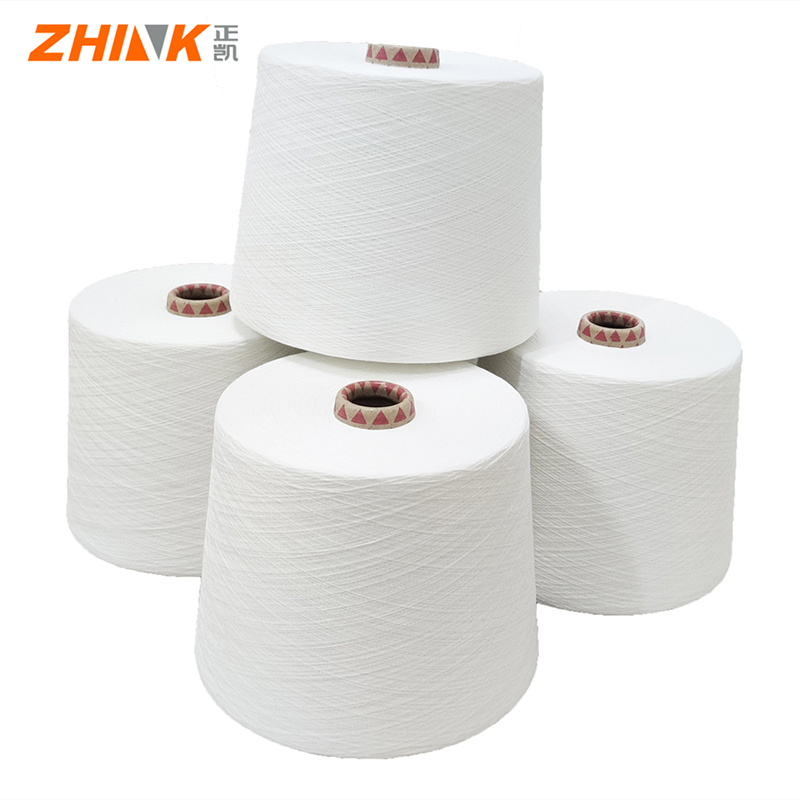
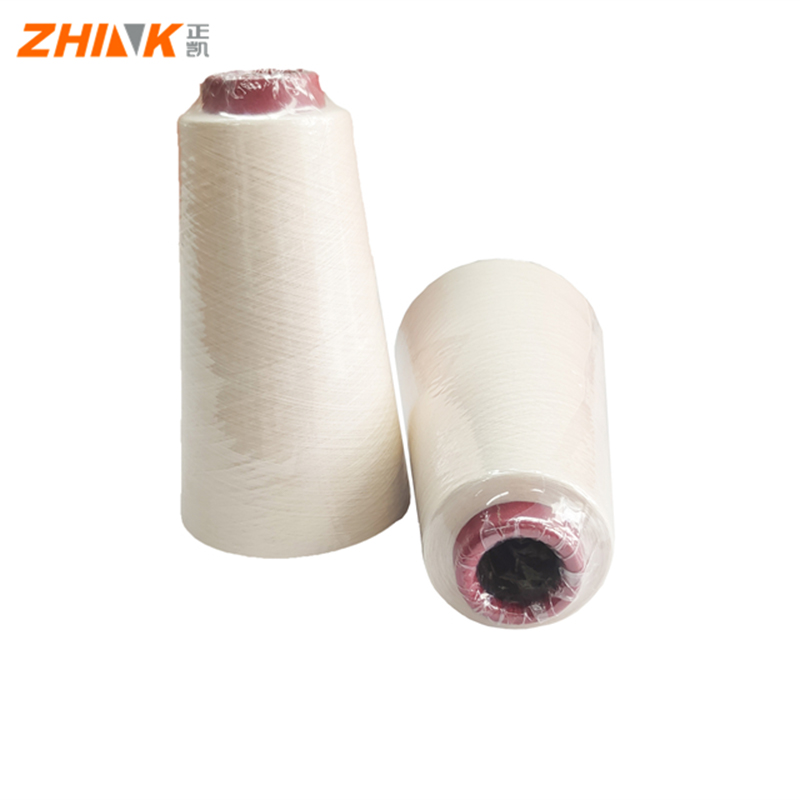
Cationic polyester TFO yarn is a specialized textile fiber engineered for deep dye affinity and superior structural integrity. Produced via the Two-for-One (TFO) twisting process, this yarn combines cationic-dyeable polyester filaments with high-twist stability, making it ideal for heather effects, cross-dye fabrics, and high-performance apparel. Unlike standard polyester, it accepts cationic dyes at atmospheric pressure, offering energy efficiency and vibrant color depth while maintaining the durability expected from twisted industrial yarns.
What is Cationic Polyester TFO Yarn?
To understand cationic polyester TFO yarn, one must first dissect its two defining components: the chemical modification of the fiber and the mechanical twisting method. This combination creates a material that bridges the gap between aesthetic versatility and mechanical robustness.
The “cationic” aspect refers to polyester fibers modified with acidic groups during polymerization. These groups create ionic bonding sites that attract cationic (basic) dyes. Standard polyester is hydrophobic and lacks these sites, requiring high-temperature, high-pressure dyeing. In contrast, cationic variants allow for rich coloration under milder conditions.
The “TFO” designation stands for Two-for-One twisting. This is a critical manufacturing step where the yarn undergoes a specific twisting mechanism that doubles the twist insertion per revolution of the spindle. The result is a yarn with exceptional evenness, low hairiness, and high tensile strength compared to ring-spun or single-twist alternatives.
When combined, cationic polyester TFO yarn offers a unique value proposition. It enables manufacturers to produce fabrics with complex color patterns, such as melange or heather looks, without compromising on the smoothness and strength required for high-speed knitting and weaving processes.
The Chemistry Behind Cationic Dyeability
The core innovation lies in the copolymerization process. During production, a third monomer containing sulfonate groups is introduced to the standard PET (polyethylene terephthalate) chain. These sulfonate groups act as anionic sites.
- Ionic Attraction: Cationic dyes carry a positive charge. When introduced to the fiber, they are strongly attracted to the negative sulfonate sites.
- Diffusion Rate: The modified structure allows dye molecules to diffuse into the fiber matrix more readily than in standard PET.
- Color Fastness: The ionic bond formed is exceptionally strong, resulting in excellent wash fastness and resistance to fading.
This chemical modification does not significantly alter the physical bulk of the fiber but drastically changes its surface interaction properties. For textile engineers, this means the ability to blend cationic polyester with regular polyester or wool to create multi-tone effects in a single dye bath.
Mechanics of the Two-for-One (TFO) Process
The TFO twisting machine is distinct from traditional ring frames. In a TFO system, the yarn package rotates inside a pot, and the yarn is withdrawn over the rim. For every single rotation of the spindle, two twists are inserted into the yarn.
This mechanism provides several technical advantages crucial for cationic polyester TFO yarn:
- Twist Uniformity: The tension control in TFO systems ensures minimal variation in twist levels along the yarn length.
- Balanced Structure: The resulting yarn has a balanced helical structure, reducing torque and snarling during downstream processing.
- Production Efficiency: TFO machines operate at higher speeds than ring twisters, making them cost-effective for large-volume industrial production.
The synergy between the cationic chemistry and TFO mechanics results in a premium yarn suitable for demanding applications where both visual appeal and physical performance are non-negotiable.
Key Properties and Technical Advantages
The market preference for cationic polyester TFO yarn stems from a specific set of physical and chemical properties. These attributes distinguish it from conventional spun polyester and filament yarns.
Superior Dye Affinity and Color Depth
The most prominent feature is its dyeing capability. Cationic dyes are known for their brilliance. When applied to this yarn, the colors appear deeper and more saturated compared to disperse dyes used on standard polyester.
Furthermore, the TFO twist structure enhances light reflection. The tight, uniform twist aligns the filaments or staples in a way that maximizes luster while minimizing surface fuzz. This combination yields fabrics with a clean, crisp appearance and intense color definition.
Enhanced Mechanical Strength
Polyester is inherently strong, but the TFO process amplifies this trait. The double-twist action compacts the fiber assembly, increasing cohesion between individual filaments or staples.
- Tensile Strength: Higher resistance to breaking under tension, essential for high-speed weaving looms.
- Abrasion Resistance: The compact structure reduces fiber protrusion, lowering friction and wear during fabric formation and end-use.
- Elongation Control: TFO yarns typically exhibit controlled elongation, providing better dimensional stability in the final fabric.
This strength profile makes the yarn particularly suitable for technical textiles and heavy-duty apparel where durability is paramount.
Low Hairiness and Smooth Surface
Hairiness refers to the fibers projecting from the main yarn body. Excessive hairiness can cause pilling, uneven dyeing, and processing issues. The TFO process effectively traps these loose ends within the twist structure.
For cationic polyester TFO yarn, low hairiness translates to:
- Reduced pilling in finished garments.
- Smoother fabric hand feel.
- Fewer breaks during knitting and weaving operations.
- Cleaner print definition if the fabric is subsequently printed.
Industry experts often cite surface smoothness as a primary reason for selecting TFO over ring-spun equivalents for high-quality fashion textiles.
Thermal and Chemical Stability
Despite the chemical modification for dyeability, the yarn retains the inherent thermal stability of polyester. It withstands standard heat-setting processes without degradation. Additionally, the ionic bonds formed during dyeing are stable against mild acids and oxidizing agents, ensuring longevity in varied environmental conditions.
Cationic Polyester TFO vs. Standard Polyester Yarns
Understanding the differences between cationic polyester TFO yarn and standard options is vital for procurement and design decisions. The following comparison highlights key operational and performance distinctions.
| Feature | Cationic Polyester TFO Yarn | Standard Ring-Spun Polyester | Regular Filament Polyester |
|---|---|---|---|
| Dyeing Method | Cationic dyes (Atmospheric pressure) | Disperse dyes (High temp/pressure) | Disperse dyes (High temp/pressure) |
| Color Brilliance | Very High (Deep shades possible) | Moderate | Moderate to High (depending on finish) |
| Twist Uniformity | Excellent (Two-for-One mechanism) | Good (Variable tension) | N/A (Usually low twist) |
| Hairiness | Very Low | Moderate to High | Low (but prone to snagging) |
| Production Speed | High | Moderate | Very High |
| Heather Effect Capability | Yes (Blendable with regular PET) | No (Single tone) | Limited |
| Cost Efficiency | Moderate (Higher raw material, lower dyeing cost) | Low | Low |
The table illustrates that while the raw material cost for cationic modified polyester may be slightly higher, the overall processing cost can be lower due to atmospheric dyeing capabilities. Furthermore, the mechanical superiority of the TFO structure justifies the investment for premium applications.
Economic Implications of Dyeing Processes
A significant advantage often overlooked is the dyeing economy. Standard polyester requires dyeing at temperatures around 130°C under pressure. This demands expensive autoclave machinery and high energy consumption.
In contrast, cationic polyester TFO yarn can be dyed at 100°C at atmospheric pressure. This reduction in thermal requirement leads to:
- Lower energy bills for dye houses.
- Reduced strain on equipment, extending machinery life.
- Faster cycle times since heating up and cooling down pressure vessels is time-consuming.
- Ability to blend with natural fibers like wool or cotton in the same bath without damaging them.
This economic factor makes the yarn a strategic choice for sustainable manufacturing initiatives aiming to reduce carbon footprints associated with thermal processing.
Manufacturing Process Overview
The production of cationic polyester TFO yarn is a multi-stage process requiring precision at every step. From polymer modification to final winding, each phase contributes to the final quality. Achieving the level of consistency described in the previous sections requires not only advanced chemistry but also state-of-the-art manufacturing infrastructure.
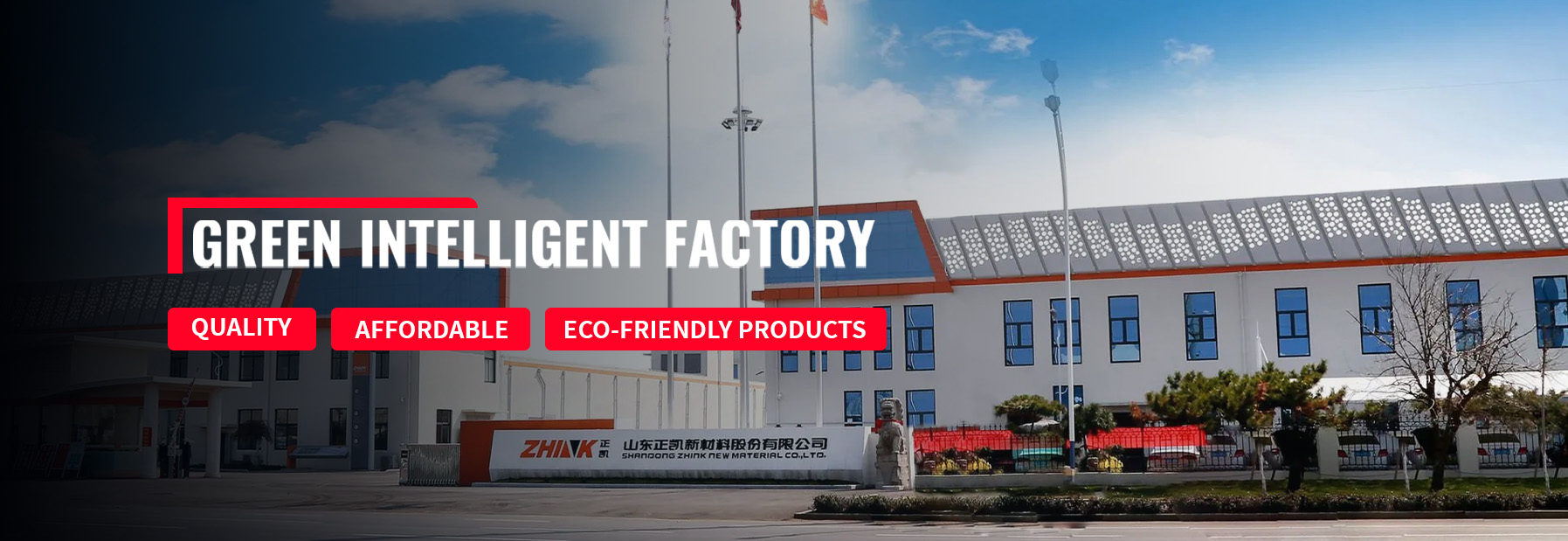
Leading this charge in intelligent manufacturing is Zhink New Material, a national-level high-tech enterprise specializing in the R&D, production, and sales of new textile materials. As a strategic supplier to well-known global textile companies, Zhink has seamlessly integrated the complex requirements of cationic modification with the precision of TFO twisting through its world-class digital production lines.
Step 1: Polymer Modification
The journey begins at the petrochemical stage. Manufacturers introduce a comonomer, typically dimethyl-5-sulfo-isophthalate sodium salt (SIPM), into the PET melt. The concentration of this additive determines the dye saturation value (K value). Precise control here ensures consistent dye uptake across batches.
Step 2: Spinning and Drawing
The modified polymer is extruded through spinnerets to form filaments. These filaments are then drawn to orient the molecular chains, enhancing tensile strength. Depending on the desired final product, the output can be Partially Oriented Yarn (POY) or Fully Drawn Yarn (FDY).
For staple fiber applications, the tow is crimped and cut to specific lengths before being spun into yarn. The cationic property remains intrinsic to the fiber throughout this mechanical manipulation.
Step 3: The TFO Twisting Operation
This is the defining step for TFO yarn. The process involves:
- Feeding: Yarn packages are loaded onto the creel.
- Twisting: The yarn passes through the rotating spindle pot. As the spindle turns, the yarn balloons inside the pot, inserting two twists per revolution.
- Winding: The twisted yarn is wound onto take-up packages under controlled tension.
Quality control during this stage focuses on monitoring twist per inch (TPI) consistency and detecting any slubs or thick places that could affect fabric appearance. It is here that Zhink New Material’s “Digital Zhink” era shines. Since launching its smart manufacturing project in November 2020, Zhink has pioneered the implementation of small-batch, multi-variety APS (Advanced Planning and Scheduling) intelligent production scheduling in the spinning sector. By integrating ERP, MES, RFID intelligent identification, and online quality detection, Zhink ensures that every meter of cationic TFO yarn meets rigorous standards, filling numerous gaps in the domestic field with its industry-first large-scale customized intelligent integrated management platform.
Step 4: Quality Assurance and Packaging
Final inspection includes testing for tenacity, elongation, twist retention, and dye uniformity. Advanced optical sensors are often employed to detect minute defects. Once approved, the yarn is packaged in moisture-proof materials to prevent contamination before shipping to textile mills. Leveraging 5G technology, Zhink connects its intelligent management platform with AGV control systems, providing real-time big data support for business operations and production. This connectivity ensures that the rapid response and constant innovation promised by their “quality first” philosophy are delivered to clients worldwide, significantly shortening R&D cycles while lowering production costs.
Primary Applications and Industry Uses
The versatility of cationic polyester TFO yarn allows it to penetrate various sectors of the textile industry. Its unique properties solve specific challenges in fabric construction and finishing.
Fashion Apparel and Heather Fabrics
One of the most common uses is in the creation of heather or melange fabrics. By blending cationic polyester with regular polyester or other fibers, manufacturers can achieve a multi-colored effect after dyeing. The cationic component absorbs the dye deeply, while the regular component remains undyed or takes a different shade.
This technique is widely used in:
- Sportswear: T-shirts and jerseys requiring vibrant, fade-resistant colors.
- Casual Wear: Polo shirts and trousers with textured color appearances.
- Knitwear: Sweaters and cardigans where softness and color depth are critical.
The TFO twist ensures that these knitted fabrics maintain their shape and resist pilling, even after repeated washing.
Home Textiles and Upholstery
In the home furnishing sector, durability and aesthetics are equally important. Cationic polyester TFO yarn is frequently used in upholstery fabrics, curtains, and bed linens.
The high abrasion resistance makes it suitable for furniture covers that endure daily wear. Meanwhile, the ability to produce deep, rich colors satisfies interior design trends favoring bold hues. The low hairiness also ensures that the fabric does not attract excessive dust or lint, a crucial factor for home environments.
Technical Textiles and Industrial Fabrics
Beyond fashion, the mechanical strength of TFO yarn finds application in technical domains. Industries utilize this yarn for:
- Filter Media: Where chemical resistance and structural integrity are needed.
- Ribbons and Webbing: Requiring high tensile strength and smooth edges.
- Sewing Threads: The balanced twist and strength make it an excellent candidate for industrial sewing threads that must withstand high friction.
The consistency of the TFO process ensures that these industrial applications perform reliably under stress.
Blended Fabric Construction
A growing trend is the blending of cationic polyester with natural fibers like wool or cotton. The cationic yarn provides strength and dye vibrancy, while the natural fiber offers comfort and breathability. The TFO structure helps bind these disparate fibers together effectively, reducing yarn breakage during weaving.
Expert Insights: Optimization and Best Practices
Working with cationic polyester TFO yarn requires specific knowledge to maximize its potential. Industry veterans recommend adhering to certain best practices regarding processing and handling.
Dyeing Protocol Recommendations
While cationic dyeing is less energy-intensive, it requires precise pH control. The dye bath must be maintained at an acidic pH (typically 4.0–5.0) to ensure the cationic dye remains ionized and attracted to the fiber.
Experts suggest:
- Using retarders to control the rate of dye exhaustion, preventing uneven shading.
- Avoiding anionic auxiliaries in the same bath, as they can neutralize the cationic dye.
- Implementing rigorous rinsing protocols to remove unfixed dye and improve fastness.
Failure to follow these protocols can lead to poor color yield or staining of equipment, negating the benefits of the cationic modification.
Handling and Storage
Although polyester is robust, TFO yarn packages should be stored in cool, dry environments. Exposure to direct sunlight for extended periods can affect the polymer structure over time. Additionally, proper stacking prevents deformation of the packages, which could lead to tension variations during unwinding in the customer’s facility.
Machinery Settings for Weaving and Knitting
Due to the tight twist and smooth surface of TFO yarn, tension settings on looms and knitting machines may need adjustment. Lower tension is often sufficient compared to ring-spun yarns. Over-tensioning can stretch the yarn, altering the fabric’s GSM (grams per square meter) and hand feel.
Regular maintenance of ceramic guides and tensioners is also advised. The smoothness of TFO yarn means it glides easily, but any rough spot on machinery can cause sudden breaks or generate static electricity.
Frequently Asked Questions (FAQ)
Addressing common queries helps clarify the specific advantages and limitations of cationic polyester TFO yarn.
Can cationic polyester TFO yarn be blended with cotton?
Yes, it is frequently blended with cotton. However, since cotton requires reactive dyes and cationic polyester requires cationic dyes, a two-bath dyeing process or a specialized one-bath two-step protocol is necessary. This allows both fibers to achieve their optimal color depth without interfering with each other.
Is the cationic modification environmentally friendly?
The modification itself is a chemical process, but the downstream environmental impact is generally positive. The ability to dye at atmospheric pressure significantly reduces energy consumption compared to high-pressure dyeing of standard polyester. Additionally, cationic dyes often have higher fixation rates, leading to less dye waste in effluent water.
What is the difference between cationic and basic dyeable polyester?
Technically, there is no difference; the terms are often used interchangeably. “Cationic” refers to the type of dye (positively charged), and “basic” is the historical name for the same class of dyes. Therefore, cationic dyeable polyester and basic dyeable polyester describe the same fiber type.
Does TFO yarn shrink more than ring-spun yarn?
Not necessarily. Shrinkage is more dependent on the heat-setting process than the twisting method. However, because TFO yarn has a balanced twist structure, it tends to have better dimensional stability and is less prone to spirality (twisting of seams) in knitted fabrics compared to single-twist yarns.
How do I identify genuine cationic TFO yarn?
Identification can be done through a simple burn test and dye test. Cationic polyester will melt and burn similarly to regular polyester but will absorb cationic dye intensely in a laboratory setting. Professional verification involves checking the K-value (dye saturation) provided by the manufacturer’s test reports.
Future Trends in Cationic Polyester Technology
The landscape for cationic polyester TFO yarn is evolving. Current research focuses on enhancing sustainability and expanding functional capabilities.
Eco-Friendly Modifications
Manufacturers are exploring bio-based monomers for the cationic modification process. The goal is to reduce reliance on petrochemical derivatives while maintaining the superior dyeing characteristics. This aligns with global demands for greener textile supply chains.
Functional Finishes Integration
There is a growing trend of integrating functional additives directly into the cationic polymer matrix. This includes antimicrobial agents, UV blockers, and moisture-wicking enhancements. Combining these features with the TFO structure could yield next-generation performance fabrics for sports and medical applications.
Digital Printing Compatibility
As digital textile printing grows, the compatibility of cationic yarns with inkjet technologies is being optimized. The smooth surface of TFO yarn provides an excellent substrate for high-resolution printing, potentially opening new avenues for customized fashion and home decor.
Conclusion and Selection Guide
Cationic polyester TFO yarn represents a sophisticated intersection of chemical engineering and mechanical precision. Its ability to deliver vibrant, deep colors through energy-efficient dyeing processes, combined with the structural robustness of the Two-for-One twist, makes it a cornerstone material for modern textile manufacturing.
From creating stylish heather apparel to durable industrial fabrics, this yarn offers solutions that standard polyester cannot match. The reduced environmental footprint of its dyeing process further cements its role in sustainable production strategies.
Who Should Use This Yarn?
This product is ideally suited for:
- Fashion Brands: Seeking premium look and feel with complex color patterns.
- Textile Mills: Aiming to reduce energy costs and improve production efficiency.
- Technical Fabric Producers: Requiring high strength and low hairiness.
- Sustainable Manufacturers: Looking to lower their carbon footprint via atmospheric dyeing.
Next Steps for Procurement
When selecting cationic polyester TFO yarn, prioritize suppliers who provide detailed technical data sheets including K-values, twist levels, and tensile strength metrics. Request sample hanks for trial dyeing to verify color compatibility with your specific palette. Ensuring that the supplier adheres to strict quality control standards during the TFO process will guarantee consistency in your final fabric production.
By leveraging the unique properties of this advanced yarn, manufacturers can elevate their product offerings, achieve greater operational efficiency, and meet the evolving demands of the global textile market. Partnering with innovative leaders like Zhink New Material, who are driving the intelligent development of the textile industry through 5G integration and digital transformation, ensures access to the highest quality materials for the future of fashion and technology.