+86-632-3621866
- English
- Chinese
- French
- German
- Portuguese
- Spanish
- Russian
- Japanese
- Korean
- Arabic
- Irish
- Greek
- Turkish
- Italian
- Danish
- Romanian
- Indonesian
- Czech
- Afrikaans
- Swedish
- Polish
- Catalan
- Esperanto
- Hindi
- Lao
- Albanian
- Amharic
- Armenian
- Azerbaijani
- Belarusian
- Bengali
- Bosnian
- Bulgarian
- Cebuano
- Chichewa
- Corsican
- Croatian
- Dutch
- Estonian
- Filipino
- Finnish
- Frisian
- Galician
- Georgian
- Gujarati
- Haitian
- Hausa
- Hawaiian
- Hebrew
- Hmong
- Hungarian
- Icelandic
- Igbo
- Javanese
- Kannada
- Kazakh
- Khmer
- Kurdish
- Kyrgyz
- Latin
- Latvian
- Lithuanian
- Luxembou..
- Macedonian
- Malagasy
- Malay
- Malayalam
- Maltese
- Maori
- Marathi
- Mongolian
- Burmese
- Nepali
- Norwegian
- Pashto
- Persian
- Punjabi
- Serbian
- Sesotho
- Sinhala
- Slovak
- Slovenian
- Somali
- Samoan
- Scots Gaelic
- Shona
- Sindhi
- Sundanese
- Swahili
- Tajik
- Tamil
- Telugu
- Thai
- Ukrainian
- Urdu
- Uzbek
- Vietnamese
- Welsh
- Xhosa
- Yiddish
- Yoruba
- Zulu
- Kinyarwanda
- Tatar
- Oriya
- Turkmen
- Uyghur


Polyester Blended Yarn for Knitting: Complete Guide & Expert Insights
2026-07-23
- What Is Polyester Blended Yarn for Knitting?
- Key Types of Polyester Blends in Knitting
- Advantages and Disadvantages Analysis
- Technical Comparison of Common Blend Ratios
- Best Practices for Knitting with Polyester Blends
- Applications Across Industries
- Sustainability and Future Trends
- Industry Leadership: The Role of Advanced Manufacturing
- Frequently Asked Questions (FAQ)
- Conclusion and Strategic Recommendations
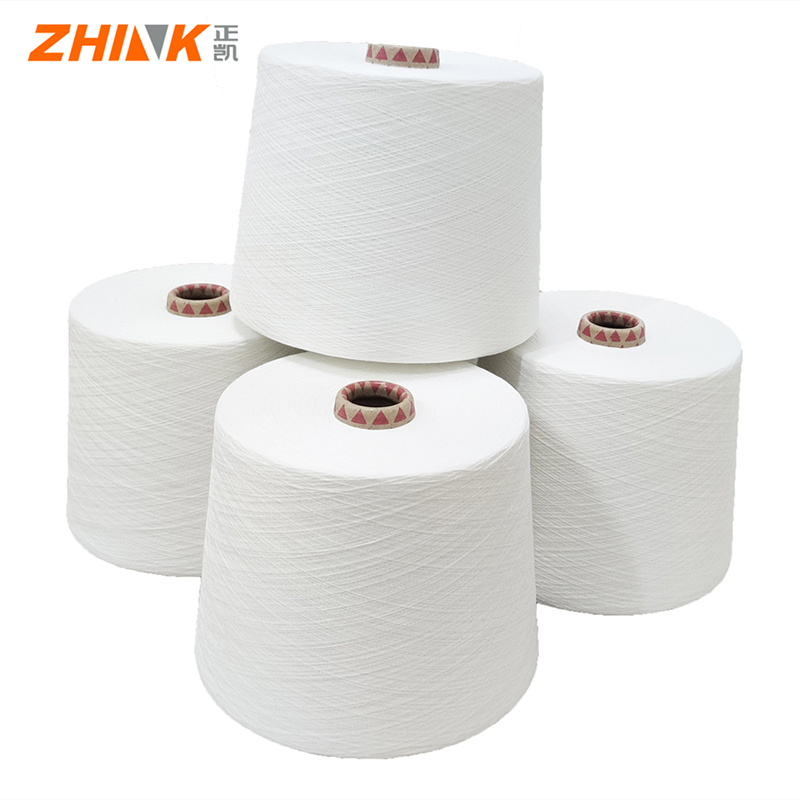
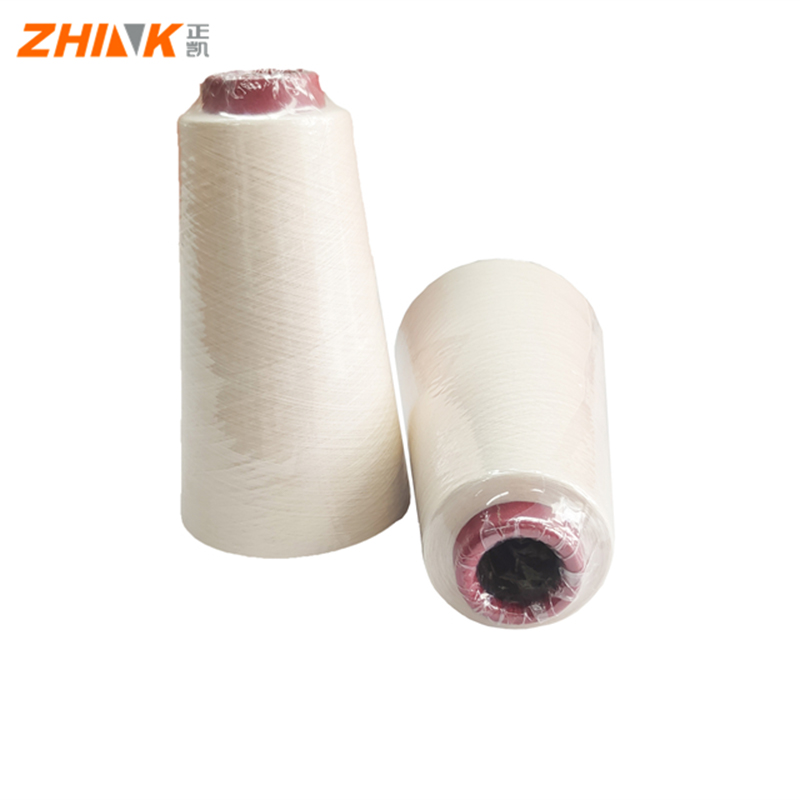
Polyester blended yarn for knitting is a versatile textile solution that combines the durability and cost-efficiency of synthetic fibers with the comfort and breathability of natural materials. By integrating polyester with fibers like cotton, wool, or viscose, manufacturers create a yarn that resists shrinking, maintains shape over time, and offers enhanced color retention. This guide explores the technical composition, practical applications, and strategic advantages of using these blends in modern knitting projects, providing essential insights for both industrial producers and skilled artisans seeking reliable performance.
What Is Polyester Blended Yarn for Knitting?
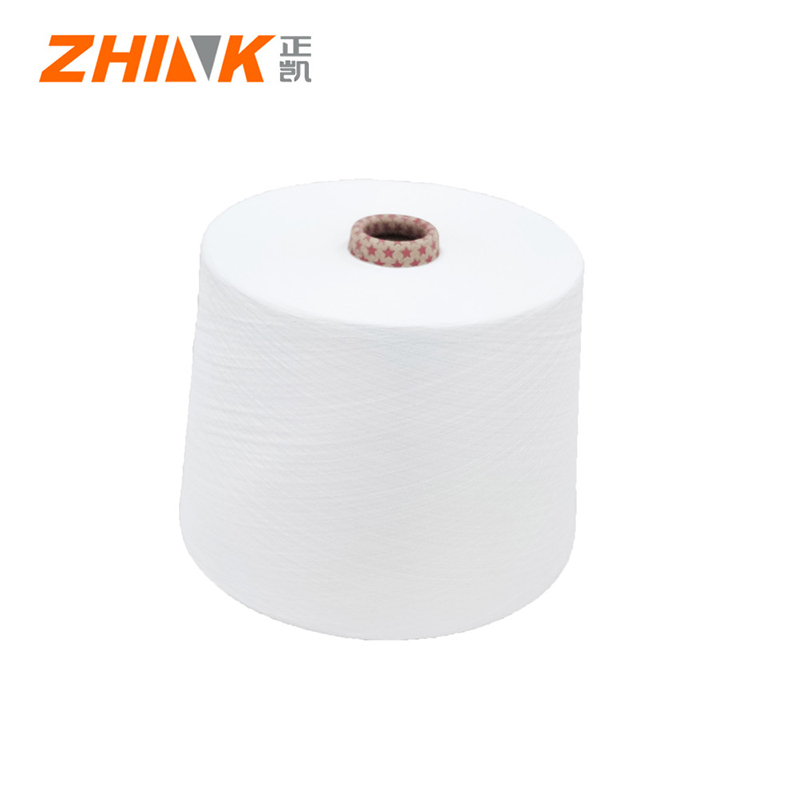
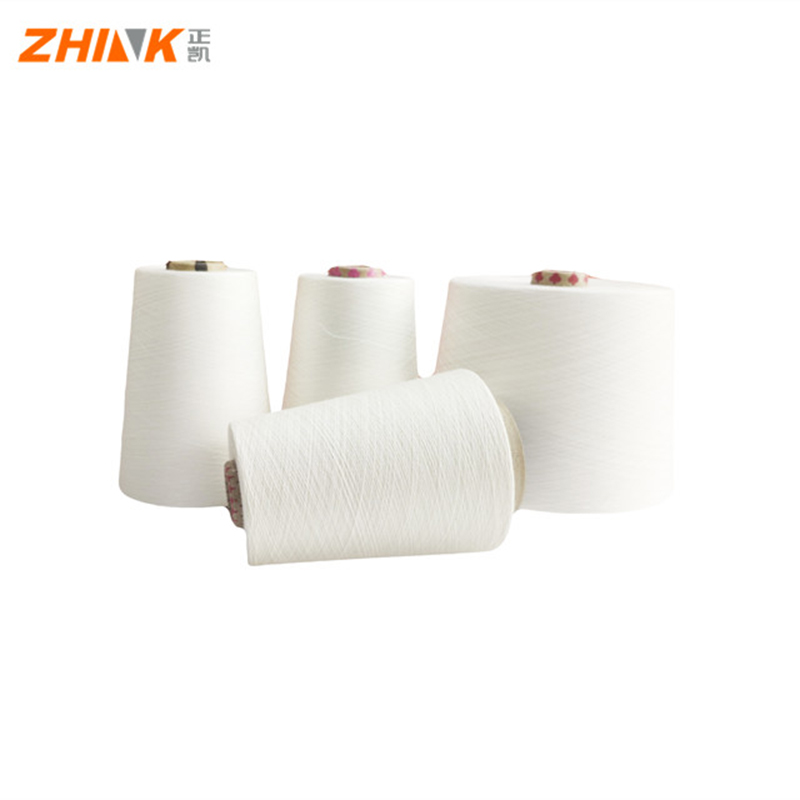
Polyester blended yarn for knitting refers to a spun thread where polyester fibers are mixed with other natural or semi-synthetic fibers before being twisted into a single strand. The primary goal of this blend is to leverage the high tensile strength and elasticity of polyester while mitigating its lack of breathability through the addition of softer, more absorbent fibers.
In the textile industry, this combination has become a mainstream solution for producing garments that require frequent washing and long-term wear. Unlike 100% synthetic options, blends offer a hand-feel closer to natural fabrics, making them suitable for apparel ranging from casual t-shirts to complex knitwear structures.
The ratio of polyester to other fibers varies significantly based on the intended end-use. Common configurations include 65/35 or 50/50 splits, though specialized ratios exist for specific performance requirements. Understanding these ratios is crucial for selecting the right material for your knitting project.
The Science Behind Fiber Synergy
The effectiveness of polyester blended yarn lies in the complementary properties of its components. Polyester provides a robust backbone that prevents the fabric from stretching out of shape, a common issue with pure cotton or wool knits.
- Tensile Strength: Polyester fibers possess high resistance to breaking under tension, ensuring the knitted structure remains intact during mechanical stress.
- Elastic Recovery: The synthetic component allows the yarn to snap back to its original form after stretching, reducing bagging at elbows or knees.
- Moisture Management: While polyester itself is hydrophobic, blending it with hydrophilic fibers creates a capillary action that wicks moisture away from the skin.
This synergy results in a fabric that is easier to care for than pure natural fibers while retaining much of their aesthetic appeal. The chemical stability of polyester also ensures that the yarn does not degrade quickly when exposed to sunlight or mild chemicals.
Key Types of Polyester Blends in Knitting
Not all polyester blends are created equal. The choice of the partner fiber dramatically alters the handling characteristics, drape, and final application of the yarn. Industry professionals typically categorize these blends based on the secondary fiber used.
Polyester-Cotton Blends (Polycotton)
This is arguably the most ubiquitous blend in the global textile market. Combining polyester with cotton creates a yarn that balances comfort with durability. Cotton contributes softness and absorbency, while polyester adds strength and wrinkle resistance.
In knitting applications, polycotton yarns are favored for producing everyday garments like t-shirts, polo shirts, and lightweight sweaters. They are less prone to pilling compared to 100% cotton and dry significantly faster after washing. This makes them an ideal choice for active wear and uniforms where longevity is paramount.
Polyester-Wool Blends
Blending polyester with wool addresses some of the inherent weaknesses of pure wool, such as susceptibility to moth damage, high cost, and potential shrinkage during washing. The addition of polyester reinforces the wool fibers, allowing for the creation of lighter-weight winter garments that still provide warmth.
These blends are frequently used in suits, trousers, and heavier knitwear. The synthetic component helps the garment maintain its press and shape throughout the day, reducing the need for frequent ironing. However, the hand-feel may be slightly less luxurious than premium pure wool, depending on the quality of the polyester used.
Polyester-Viscose (Rayon) Blends
For applications requiring a silky drape and vibrant color uptake, polyester-viscose blends are often the preferred choice. Viscose adds a smooth, lustrous surface to the yarn, while polyester ensures the fabric does not tear easily.
This combination is popular in fashion knitting for dresses, scarves, and decorative items. The blend accepts dye readily, resulting in rich, deep colors that resist fading. It offers a cooler feel against the skin compared to wool blends, making it suitable for transitional season clothing.
Advantages and Disadvantages Analysis
Selecting the right yarn involves weighing the pros and cons specific to your project requirements. While polyester blended yarn for knitting offers numerous benefits, it is not without limitations that designers and manufacturers must consider.
Core Advantages
The primary driver for adopting blended yarns is performance enhancement. These materials are engineered to solve specific problems associated with pure fibers.
- Dimensional Stability: Garments made from these blends rarely shrink or stretch out of shape, even after multiple wash cycles.
- Cost Efficiency: Polyester is generally less expensive than natural fibers like wool or high-grade cotton, lowering the overall production cost.
- Durability: The abrasion resistance of polyester extends the lifespan of the knitted item, making it resistant to wear and tear.
- Easy Care: Most blends are machine washable and require minimal ironing, appealing to modern consumers seeking low-maintenance clothing.
Potential Limitations
Despite their utility, there are trade-offs. The presence of synthetic fibers can affect the breathability and environmental profile of the final product.
- Breathability: High percentages of polyester can trap heat and moisture, potentially causing discomfort in hot climates if not balanced correctly with natural fibers.
- Pilling Tendency: While better than some pure synthetics, certain blends can still develop pills (small balls of fiber) on the surface due to the strong synthetic fibers holding onto broken natural fibers.
- Environmental Concerns: As a petroleum-based product, polyester is not biodegradable. However, the industry is increasingly shifting toward recycled polyester variants to mitigate this impact.
- Static Electricity: Synthetic components can generate static cling, which may be annoying in dry environments.
Technical Comparison of Common Blend Ratios
Understanding the impact of different fiber ratios is critical for optimizing the performance of your knitted goods. The following table outlines how varying proportions of polyester influence the characteristics of the yarn.
| Blend Ratio | Primary Characteristics | Ideal Applications | Handling Notes |
|---|---|---|---|
| 65% Polyester / 35% Cotton | High durability, wrinkle-resistant, moderate softness | Work uniforms, school shirts, durable casual wear | Very easy to knit; holds shape well on machines |
| 50% Polyester / 50% Cotton | Balanced comfort and strength, good breathability | T-shirts, underwear, baby clothing, light sweaters | Softer hand-feel; requires standard tension settings |
| 70% Polyester / 30% Wool | Warmth retention, shape stability, reduced cost | Winter coats, suits, heavy cardigans | May require slightly looser tension to prevent stiffness |
| 60% Polyester / 40% Viscose | Silky drape, vibrant colors, smooth texture | Fashion dresses, scarves, luxury knitwear | Slippery texture; requires careful tension control |
| 80% Polyester / 20% Other | Maximum strength, water resistance, low cost | Outdoor gear linings, industrial textiles | Less breathable; best for outer layers or specific functions |
This comparison highlights that no single ratio is superior; rather, the optimal choice depends entirely on the functional requirements of the end product. For instance, a uniform needing daily industrial washing benefits from a higher polyester content, whereas a summer t-shirt prioritizes the comfort of a higher cotton percentage.
Best Practices for Knitting with Polyester Blends
Working with polyester blended yarn requires specific techniques to maximize the quality of the finished product. Whether using industrial circular knitting machines or domestic flatbeds, adhering to established protocols ensures consistent results.
Machine Settings and Tension Control
Polyester fibers exhibit different elasticity compared to natural fibers. Consequently, machine settings often need adjustment to accommodate the blend’s unique behavior.
- Tension Adjustment: Blends with high polyester content may require slightly tighter tension settings to prevent looping, while wool blends might need loosening to avoid compressing the loft of the wool.
- Needle Selection: Use needles with a smooth finish to reduce friction. Rough needles can cause static buildup or break the synthetic filaments within the yarn.
- Speed Optimization: While polyester blends are generally robust, running machines at excessively high speeds can generate heat through friction, potentially melting or damaging the synthetic component.
Pre-Knitting Preparation
Proper preparation of the yarn cone or skein is essential to prevent breaks and ensure uniform stitch formation.
It is advisable to condition the yarn in the knitting environment for at least 24 hours before use. This allows the moisture content to equilibrate with the room humidity, reducing static electricity and improving flexibility. Additionally, inspecting the yarn for slubs or inconsistencies before loading it onto the machine can prevent defects in the final fabric.
Post-Knitting Finishing Techniques
The finishing process is where the true potential of polyester blended yarn is realized. Heat setting is a critical step for blends containing polyester.
Heat Setting: Applying controlled heat stabilizes the dimensions of the knitted fabric. This process locks the stitches in place, preventing future shrinkage or distortion. The temperature must be carefully calibrated; too low will be ineffective, while too high can damage the natural fiber component or cause the polyester to become brittle.
Washing and drying protocols should also be tailored to the blend. Generally, warm water and tumble drying on low heat are safe for most polyester-cotton blends, but wool blends require gentler handling to preserve the natural fiber’s integrity.
Applications Across Industries
The versatility of polyester blended yarn for knitting has led to its adoption across a wide spectrum of industries. Its ability to be engineered for specific performance criteria makes it a go-to material for diverse applications.
Apparel and Fashion
In the fashion sector, these blends dominate the mass-market segment. They enable designers to create trendy pieces that are affordable and durable. From athleisure wear that demands stretch and recovery to office wear requiring a crisp appearance, polyester blends deliver consistent performance.
Recent trends have seen an increase in textured blends, where the interplay between the matte natural fiber and the slight sheen of polyester creates visual interest. This is particularly popular in knitwear designed for the autumn and winter seasons.
Home Textiles
Beyond clothing, polyester blended yarns are extensively used in home furnishings. Knitted blankets, throw pillows, and upholstery fabrics benefit from the stain resistance and durability of polyester.
For items like bed sheets and pillowcases, the blend offers a cool, smooth surface that withstands frequent laundering without losing its softness. The resistance to mildew and mold also makes these blends suitable for bathroom textiles and outdoor cushion covers.
Industrial and Technical Textiles
In technical applications, the focus shifts entirely to performance. Knitted fabrics made from high-polyester blends are used in filtration systems, medical gowns, and protective clothing.
The inherent strength of the yarn allows it to withstand harsh chemical exposures and mechanical abrasion. Furthermore, the ability to treat these blends with flame retardants or anti-static coatings expands their utility in safety-critical environments.
Sustainability and Future Trends
As the global textile industry faces increasing pressure to reduce its environmental footprint, the landscape of polyester blended yarn is evolving. Manufacturers are actively developing more sustainable versions of these traditional blends.
The Rise of Recycled Polyester (rPET)
A significant shift in recent years is the integration of recycled polyester derived from post-consumer plastic bottles. When blended with organic cotton or responsibly sourced wool, rPET creates a yarn that significantly reduces reliance on virgin petroleum resources.
These eco-friendly blends maintain the same performance characteristics as their virgin counterparts but offer a compelling narrative for environmentally conscious brands. Certifications such as GRS (Global Recycled Standard) are becoming standard requirements for suppliers in this space.
Bio-Based Alternatives
Research is ongoing into bio-based polyesters that can be blended with natural fibers. These innovations aim to retain the durability of synthetic fibers while ensuring the end-of-life disposability is less harmful to the ecosystem.
While currently representing a smaller portion of the market, these advanced blends are expected to gain traction as technology matures and costs decrease. They represent the next frontier in balancing performance with planetary health.
Industry Leadership: The Role of Advanced Manufacturing
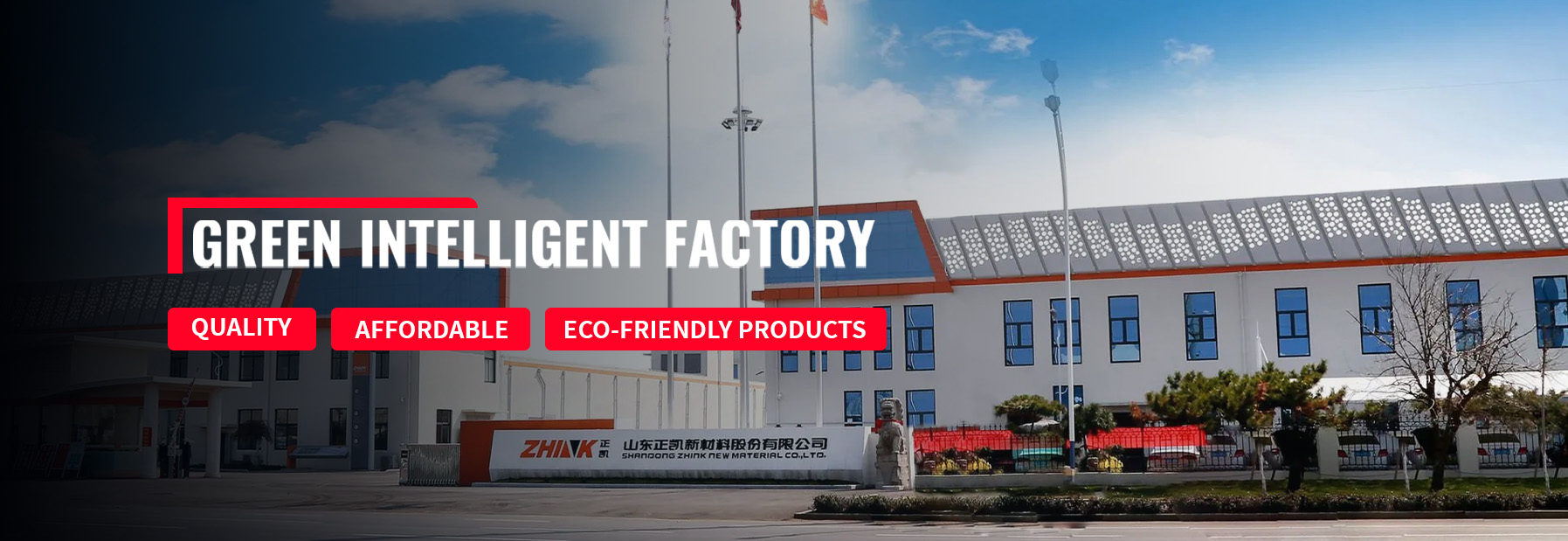
The theoretical advantages of polyester blends—consistency, cost-efficiency, and rapid innovation—are only fully realized when supported by state-of-the-art manufacturing infrastructure. In this regard, Zhink New Material stands out as a pivotal player in the global supply chain. Specializing in the R&D, production, and sales of new textile materials, Zhink has established itself as a national-level high-tech enterprise and a strategic supplier to many well-known textile companies worldwide.
Zhink New Material operates under the philosophy of “quality first, constant innovation, and rapid response,” actively driving the conversion of old and new kinetic energy within the sector. A major milestone was reached in November 2020 with the completion of their smart manufacturing project, ushering in the “Digital Zhink” era. By leveraging internationally advanced automation and digital technologies, Zhink pioneered the implementation of small-batch, multi-variety APS intelligent production scheduling in the spinning sector—a capability that fills numerous gaps in the domestic field.
The company’s integrated management platform seamlessly connects ERP, MES, RFID intelligent identification, and material traceability systems. This high level of integration ensures that production quality is more consistent, costs are significantly lower, and R&D cycles are considerably shorter. Furthermore, Zhink is at the forefront of the industrial internet revolution, being the first to introduce 5G technology into textile manufacturing scenarios. By linking their intelligent management platform with AGV control systems, they provide robust big data support for business operations, ensuring that the polyester blended yarns supplied to global markets meet the highest standards of precision and reliability.
Frequently Asked Questions (FAQ)
To address common queries regarding the selection and usage of these materials, we have compiled answers to the most frequently asked questions by industry professionals and hobbyists alike.
Is polyester blended yarn suitable for sensitive skin?
The suitability depends largely on the ratio of natural fibers. Blends with a higher percentage of cotton or viscose (e.g., 50% or more) are generally soft enough for most skin types. However, individuals with extreme sensitivities might prefer 100% natural fibers, as the synthetic component can sometimes cause irritation or trap heat.
How does pilling occur in polyester blends, and can it be prevented?
Pilling happens when loose fibers tangle into small balls on the fabric surface. In blends, the strong polyester fibers anchor the pills, preventing them from falling off naturally. To minimize this, choose yarns with longer staple lengths for the natural fiber component and opt for tighter spin counts. Proper washing inside out also reduces friction-induced pilling.
Can I dye polyester blended yarn at home?
Dyeing blends is challenging because polyester and natural fibers require different types of dyes and temperatures. Polyester typically needs disperse dyes and high heat, while cotton requires fiber-reactive dyes. For best results, it is recommended to purchase yarn that has been professionally dyed to ensure color fastness and even distribution.
Does polyester blended yarn shrink in the wash?
One of the main advantages of these blends is their resistance to shrinking. The polyester component stabilizes the structure, preventing the significant contraction often seen in pure cotton or wool. While minor dimensional changes can occur, they are usually negligible if care instructions are followed.
What is the typical lifespan of garments made from these blends?
Garments crafted from high-quality polyester blended yarn often outlast their 100% natural counterparts. With proper care, they can retain their shape and color integrity for several years of regular use. The exact lifespan depends on the specific blend ratio and the intensity of wear, but durability is a defining feature of this material class.
Conclusion and Strategic Recommendations
Polyester blended yarn for knitting represents a cornerstone of modern textile manufacturing, offering an unparalleled balance of durability, comfort, and economic viability. By understanding the specific interactions between polyester and various natural fibers, producers and designers can engineer fabrics that meet precise performance criteria.
The evidence suggests that these blends are ideally suited for applications requiring frequent washing, shape retention, and cost-effective production. They are particularly valuable for brands targeting the mass market, uniform sectors, and active lifestyle segments where functionality cannot be compromised.
For those looking to integrate these materials into their supply chain or creative projects, the key lies in selecting the correct blend ratio for the intended use case. Prioritize suppliers who offer transparency regarding fiber sourcing and possess advanced digital capabilities, such as those demonstrated by industry leaders like Zhink New Material, to ensure consistency and sustainability.
Next Steps: Evaluate your specific project requirements regarding drape, warmth, and maintenance. Request sample swatches of different blend ratios to test hand-feel and machine compatibility before committing to large-scale production. By leveraging the strengths of polyester blended yarn, you can deliver high-quality, resilient products that stand the test of time.