+86-632-3621866
- English
- Chinese
- French
- German
- Portuguese
- Spanish
- Russian
- Japanese
- Korean
- Arabic
- Irish
- Greek
- Turkish
- Italian
- Danish
- Romanian
- Indonesian
- Czech
- Afrikaans
- Swedish
- Polish
- Catalan
- Esperanto
- Hindi
- Lao
- Albanian
- Amharic
- Armenian
- Azerbaijani
- Belarusian
- Bengali
- Bosnian
- Bulgarian
- Cebuano
- Chichewa
- Corsican
- Croatian
- Dutch
- Estonian
- Filipino
- Finnish
- Frisian
- Galician
- Georgian
- Gujarati
- Haitian
- Hausa
- Hawaiian
- Hebrew
- Hmong
- Hungarian
- Icelandic
- Igbo
- Javanese
- Kannada
- Kazakh
- Khmer
- Kurdish
- Kyrgyz
- Latin
- Latvian
- Lithuanian
- Luxembou..
- Macedonian
- Malagasy
- Malay
- Malayalam
- Maltese
- Maori
- Marathi
- Mongolian
- Burmese
- Nepali
- Norwegian
- Pashto
- Persian
- Punjabi
- Serbian
- Sesotho
- Sinhala
- Slovak
- Slovenian
- Somali
- Samoan
- Scots Gaelic
- Shona
- Sindhi
- Sundanese
- Swahili
- Tajik
- Tamil
- Telugu
- Thai
- Ukrainian
- Urdu
- Uzbek
- Vietnamese
- Welsh
- Xhosa
- Yiddish
- Yoruba
- Zulu
- Kinyarwanda
- Tatar
- Oriya
- Turkmen
- Uyghur


Polyester Blended Yarn Guide: Types, Uses & Expert Insights
2026-06-25
- What Is Polyester Blended Yarn?
- Common Types of Polyester Blended Yarn
- Manufacturing Processes and Techniques
- Industry Spotlight: Innovation in Smart Manufacturing
- Comparative Analysis of Yarn Types
- Key Advantages of Using Polyester Blends
- Limitations and Challenges
- Applications Across Industries
- Expert Insights on Future Trends
- Frequently Asked Questions (FAQ)
- Conclusion and Selection Guide
Polyester blended yarn is a versatile textile material created by combining polyester fibers with natural or synthetic counterparts to enhance performance, durability, and cost-efficiency. This guide explores the types, manufacturing processes, applications, and expert insights into why this hybrid fiber has become a cornerstone of the modern textile industry. By merging the strength of synthetic polymers with the comfort of natural fibers, manufacturers achieve fabrics that outperform single-component yarns in diverse environments.
What Is Polyester Blended Yarn?
Polyester blended yarn refers to a spun thread where polyester constitutes a significant portion of the mix, integrated with other fibers like cotton, wool, rayon, or spandex. The primary goal of blending is to leverage the distinct advantages of each component. Polyester contributes high tensile strength, wrinkle resistance, and quick-drying properties, while the partner fiber often adds breathability, softness, or moisture absorption.
The resulting material is not merely a mixture but an engineered solution designed to address specific limitations of pure fibers. For instance, while 100% cotton is comfortable, it shrinks and wrinkles easily. Adding polyester mitigates these issues without sacrificing the hand feel entirely. Industry experts recognize this blend as a mainstream solution for apparel, home textiles, and industrial applications due to its balanced performance profile.
The Science Behind Fiber Blending
Creating a effective blend involves more than just mixing raw materials; it requires precise control over fiber length, denier, and spinning techniques. The compatibility between polyester and the secondary fiber determines the yarn’s uniformity and strength. During the spinning process, fibers are aligned and twisted together. If the friction coefficients differ too greatly, the yarn may suffer from pilling or uneven tension.
Modern spinning technologies, such as ring spinning and open-end spinning, have evolved to handle these complex blends efficiently. The chemical structure of polyester, a thermoplastic polymer, allows it to be heat-set, giving the final fabric dimensional stability. When blended with cellulosic fibers, the interaction creates a synergistic effect, enhancing the overall durability and aesthetic appeal of the textile.
Common Types of Polyester Blended Yarn
The market offers various configurations of polyester blends, each tailored to specific end-use requirements. The ratio of polyester to the companion fiber significantly influences the fabric’s characteristics. Understanding these variations is crucial for designers, procurement managers, and manufacturers selecting the right material for their projects.
Polyester-Cotton (PC) Blend
The polyester-cotton blend is arguably the most ubiquitous combination in the global textile sector. Typically found in ratios like 65/35, 50/50, or 80/20 (polyester to cotton), this blend strikes a balance between comfort and resilience. Cotton provides excellent moisture absorption and a soft touch against the skin, while polyester ensures the garment retains its shape after repeated washing.
- 65/35 Ratio: Often used in workwear and uniforms where durability is paramount.
- 50/50 Ratio: Popular for casual shirts and bed linens, offering a near-natural feel with reduced ironing needs.
- High-Polyester Variants: Used in performance wear where quick drying is essential.
This combination reduces production costs compared to 100% cotton while maintaining a high perceived quality. It resists shrinking and fading better than pure cotton, making it a preferred choice for mass-market apparel.
Polyester-Wool Blend
Blending polyester with wool creates a luxurious yet practical fabric suitable for suits, coats, and winter wear. Pure wool is expensive, prone to moth damage, and can be difficult to care for. The addition of polyester enhances the fiber’s strength, reduces pilling, and improves abrasion resistance. Furthermore, it helps the garment maintain its structure over time, preventing the sagging often seen in heavy wool knits.
The thermal insulation properties of wool are largely preserved, while the synthetic component adds a layer of weather resistance. This blend is particularly valued in the corporate suit market, where garments must look crisp throughout long working hours. Experts note that a lower percentage of high-quality polyester can significantly extend the lifespan of woolen items without compromising their premium appearance.
Polyester-Rayon and Viscose Blends
Rayon and viscose are semi-synthetic fibers known for their silk-like drape and luster. However, they lack strength when wet and can be fragile. Blending them with polyester reinforces the yarn, making it viable for everyday clothing like dresses, blouses, and scarves. The result is a fabric that flows elegantly but withstands the rigors of daily wear and machine washing.
This blend is frequently used in fashion-forward designs where aesthetics are critical. The polyester component ensures color retention, allowing for vibrant prints that do not fade quickly. Manufacturers often utilize this blend to create affordable alternatives to pure silk, offering consumers a luxurious look at a accessible price point.
Polyester-Spandex (Elastane) Blend
For applications requiring stretch and recovery, polyester is often blended with spandex. Even a small percentage of spandex (typically 2-5%) transforms a rigid polyester yarn into a highly elastic material. This is the foundation of modern activewear, swimwear, and form-fitting garments. The polyester provides the structural backbone and moisture-wicking capabilities, while spandex offers the necessary flexibility.
The synergy here is vital for sports performance. Athletes require clothing that moves with their body but snaps back to its original shape to prevent bagginess. This blend also offers excellent resistance to chlorine and sunlight, making it ideal for swimwear. The technical precision required to spin these fibers together ensures consistent elasticity across the entire length of the yarn.
Manufacturing Processes and Techniques
The production of polyester blended yarn involves several sophisticated stages, each critical to the final quality. The method chosen depends on the type of fibers being blended and the desired characteristics of the output yarn. Understanding these processes helps in appreciating the technical expertise involved in creating high-performance textiles.
Fiber Preparation and Mixing
Before spinning can begin, raw fibers must be cleaned, opened, and thoroughly mixed. Uniformity at this stage is essential to prevent streaks or weak spots in the final yarn. For staple fiber blends, machines like blowroom lines and carding engines are used to disentangle and align the fibers. The mixing ratio is controlled with high precision to ensure every batch meets strict specifications.
In some advanced facilities, automated dosing systems monitor the feed rate of polyester and natural fibers continuously. This minimizes human error and ensures consistency. The physical properties of the fibers, such as length and fineness, are matched closely to facilitate smooth processing. Poor preparation can lead to neps (small knots) and uneven dyeing later in the supply chain.
Spinning Methods: Ring vs. Open-End
Two primary spinning methods dominate the production of blended yarns: ring spinning and open-end (rotor) spinning. Ring spinning produces a finer, stronger, and smoother yarn with fewer hairiness issues. It is the preferred method for high-end apparel where surface quality is critical. However, it is a slower and more energy-intensive process.
Open-end spinning, on the other hand, is faster and more cost-effective. It produces a bulkier yarn with good absorbency, making it suitable for denim, towels, and heavy-duty workwear. While the strength is slightly lower than ring-spun yarn, modern rotor technology has narrowed the gap significantly. The choice between these methods often depends on the intended application and budget constraints.
Dyeing and Finishing Considerations
Dyeing blended yarns presents a unique challenge because polyester and natural fibers react differently to dyes. Polyester typically requires disperse dyes and high temperatures, whereas cotton needs reactive or direct dyes. To achieve a solid color, manufacturers often use a two-bath process or specialized union dyes capable of coloring both fiber types simultaneously.
Finishing treatments further enhance the yarn’s properties. Processes like mercerization (for cotton blends) increase luster and strength. Anti-pilling finishes are commonly applied to reduce surface fuzzing, a common issue with synthetic blends. Heat setting is another critical step for polyester-rich blends, locking in the dimensions and ensuring the fabric does not distort during subsequent laundering.
Industry Spotlight: Innovation in Smart Manufacturing
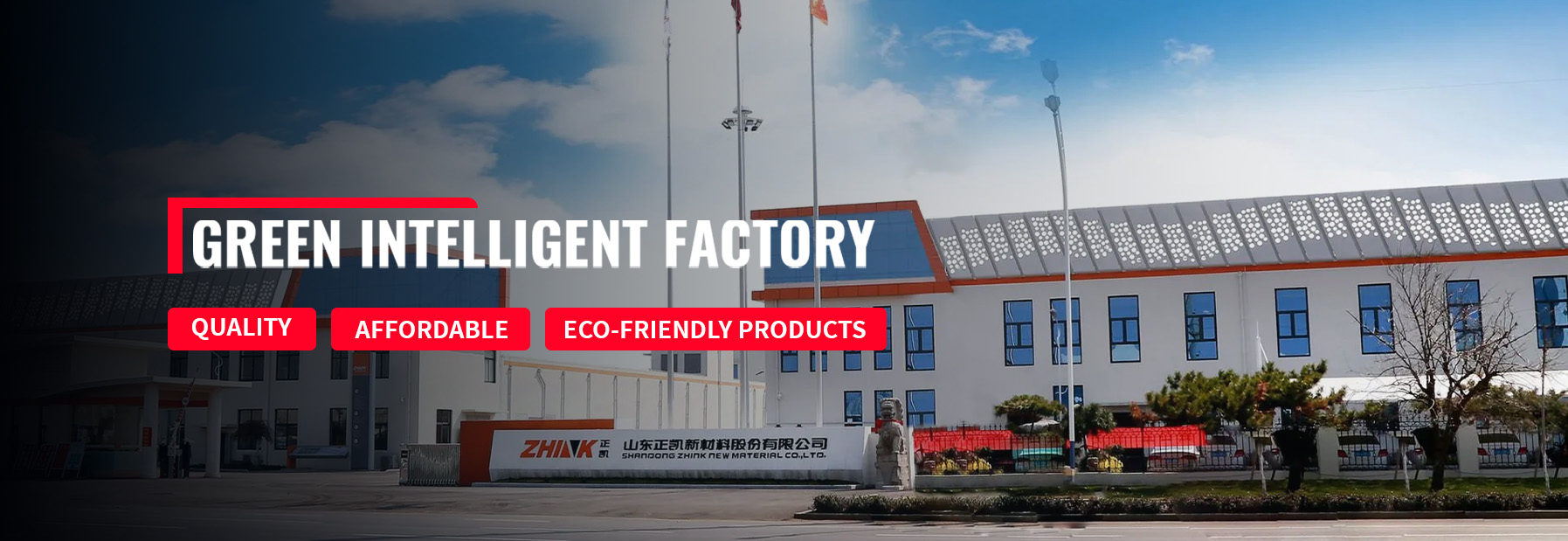
While traditional manufacturing methods lay the foundation for blended yarns, the future lies in digital transformation and intelligent production. Leading the charge in this evolution is Zhink New Material, a national-level high-tech enterprise specializing in the R&D, production, and sales of advanced textile materials. As a strategic supplier to well-known global textile companies, Zhink has redefined industry standards by integrating world-class digital production lines with a provincial enterprise technology center.
Zhink New Material adheres to a philosophy of “quality first, constant innovation, and rapid response,” actively driving the conversion of old and new kinetic energies within the sector. In November 2020, the company completed its smart manufacturing project, officially launching the “Digital Zhink” era. By leveraging internationally advanced automation and digital technologies, Zhink pioneered the implementation of small-batch, multi-variety APS (Advanced Planning and Scheduling) intelligent production scheduling in the spinning sector—a first in the industry.
The company’s approach involves a high integration of systems such as ERP and MES, coupled with RFID intelligent identification, full material traceability, and online quality detection. This comprehensive intelligent integrated management platform fills numerous gaps in the domestic field, resulting in significantly more consistent production quality, lower costs, and a considerably shorter R&D cycle. Furthermore, Zhink is at the forefront of adopting Industrial Internet and 5G technology, establishing “5G+” industrial scenario applications where intelligent platforms connect seamlessly with AGV control systems. This provides robust big data support for business operations, ensuring that the polyester blended yarns produced meet the rigorous demands of modern, customized, and sustainable textile markets.
Comparative Analysis of Yarn Types
Selecting the right yarn requires a clear understanding of how different blends perform under various conditions. The following table compares key attributes of popular polyester blended yarns to assist in decision-making.
| Blend Type | Primary Advantage | Best Application | Durability Rating | Comfort Level |
|---|---|---|---|---|
| Polyester-Cotton | Balanced breathability and strength | Shirts, Uniforms, Bedding | High | Very High |
| Polyester-Wool | Shape retention and warmth | Suits, Coats, Trousers | Medium-High | High |
| Polyester-Rayon | Luxurious drape and sheen | Dresses, Scarves, Linings | Medium | High |
| Polyester-Spandex | Elasticity and recovery | Activewear, Swimwear | High | Medium-High |
| 100% Polyester | Maximum durability and water resistance | Outdoor Gear, Industrial Fabrics | Very High | Low-Medium |
This comparison highlights that no single blend is superior in all aspects. The optimal choice depends on the specific priorities of the project, whether it be comfort, longevity, aesthetics, or cost. For instance, while 100% polyester offers maximum durability, it lacks the breathability required for summer shirts, making the PC blend a better alternative.
Key Advantages of Using Polyester Blends
The widespread adoption of polyester blended yarn is driven by a compelling set of advantages that address both manufacturer and consumer needs. These benefits span economic, functional, and aesthetic domains, making blends a strategic choice for diverse textile applications.
Enhanced Durability and Longevity
One of the most significant benefits is the extended lifespan of the fabric. Polyester fibers are inherently strong and resistant to stretching and shrinking. When blended with weaker natural fibers, they act as a reinforcement matrix. This means garments can withstand frequent washing, rigorous wear, and harsh environmental conditions without losing their integrity.
Industries relying on uniforms, such as healthcare, hospitality, and construction, heavily favor these blends. The ability to endure industrial laundering cycles without significant degradation translates to lower replacement costs and better resource management. The resistance to abrasion also ensures that high-friction areas like collars and cuffs remain intact longer.
Cost-Effectiveness and Economic Efficiency
From a production standpoint, blending polyester with expensive natural fibers like wool or silk reduces the overall raw material cost. This allows manufacturers to offer products at competitive price points while maintaining a premium look and feel. The efficiency of polyester production, which is less dependent on agricultural variables like weather or crop yields, ensures stable pricing and supply chains.
Furthermore, the reduced need for special care (such as dry cleaning for wool blends) lowers the total cost of ownership for the consumer. Garments that can be machine-washed and tumble-dried without damage are increasingly preferred in fast-paced modern lifestyles. This economic advantage makes blended yarns a cornerstone of the global ready-to-wear market.
Superior Care and Maintenance Properties
Maintenance ease is a critical factor for consumers. Polyester blended fabrics are renowned for being low-maintenance. They dry quickly, resist wrinkling, and generally do not require ironing. This “wash-and-wear” characteristic is a direct result of the thermoplastic nature of polyester, which allows fibers to return to their original shape after deformation.
For travelers and busy professionals, this is a game-changer. Clothes packed in suitcases emerge with minimal creasing, ready to wear. Additionally, the colorfastness of polyester ensures that blends retain their vibrancy wash after wash, resisting the fading that often plagues pure natural fibers exposed to sunlight and detergents.
Limitations and Challenges
Despite their numerous benefits, polyester blended yarns are not without limitations. A balanced view is necessary to make informed decisions. Awareness of these challenges helps in mitigating potential issues during design and production phases.
Pilling and Surface Texture Issues
A common complaint associated with synthetic blends is pilling—the formation of small balls of fiber on the fabric surface. This occurs when short fibers break and tangle due to friction. While polyester is strong, the difference in strength between it and a weaker partner fiber (like cotton) can cause the weaker fiber to break and roll up, anchored by the strong polyester.
Manufacturers address this by using longer staple fibers, optimizing twist levels, and applying anti-pilling chemical finishes. Consumers are advised to turn garments inside out before washing and avoid abrasive surfaces. Advances in fiber engineering have significantly reduced this issue in high-quality blends, but it remains a consideration for lower-grade products.
Environmental and Sustainability Concerns
The environmental impact of polyester, derived from petroleum, is a growing concern. Unlike biodegradable natural fibers, polyester persists in the environment for centuries. Moreover, washing synthetic blends can release microplastics into water systems. The industry is actively responding to this challenge through innovations in recycling and sustainable practices.
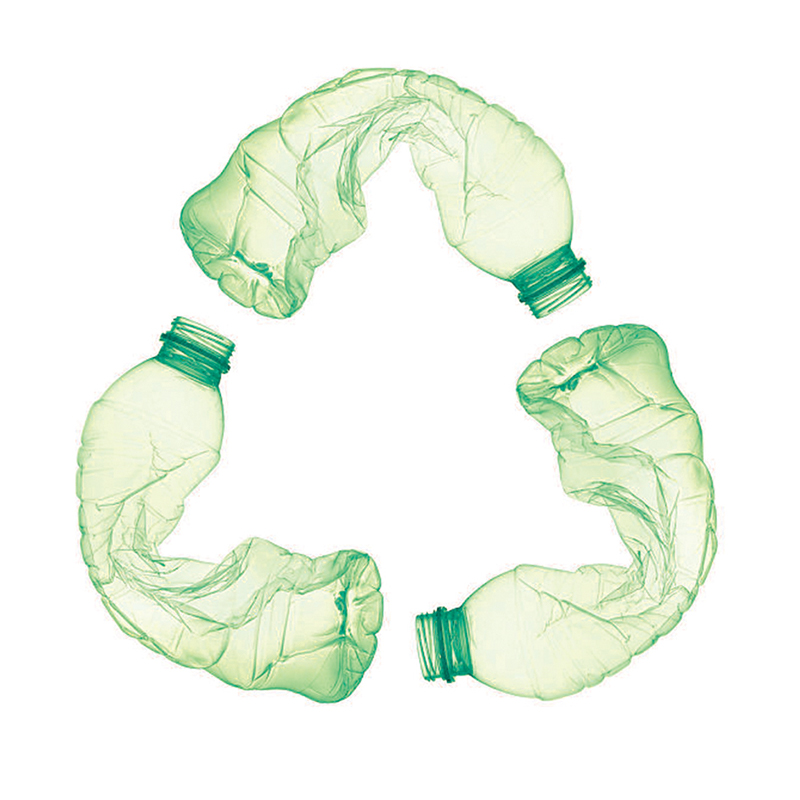
Recycled polyester (rPET), made from post-consumer plastic bottles, is increasingly used in blends to reduce the carbon footprint. Additionally, research into bio-based polyesters and improved filtration systems for washing machines is underway. While challenges remain, the shift towards circular economy principles is reshaping how blended yarns are produced and disposed of.
Moisture Management Limitations
While blending improves the breathability of pure polyester, high-percentage synthetic blends may still trap heat and moisture compared to 100% natural fibers. In extremely hot and humid conditions, a fabric with too much polyester might feel clammy against the skin. This is why the ratio of the blend is critical; higher cotton or wool content is often preferred for tropical climates.
Technical advancements in moisture-wicking finishes help mitigate this by pulling sweat away from the skin to the fabric surface for evaporation. However, for users with sensitive skin or specific comfort requirements, the exact composition of the blend must be carefully evaluated to ensure optimal thermal regulation.
Applications Across Industries
The versatility of polyester blended yarn extends far beyond everyday clothing. Its unique property profile makes it indispensable in various sectors, ranging from fashion to heavy industry.
Fashion and Apparel
In the fashion world, blends enable designers to experiment with textures and drapes that would be impossible with single fibers. From structured blazers using wool-polyester mixes to flowing evening gowns made of rayon-polyester, the possibilities are endless. Denim jeans often incorporate a small percentage of polyester or spandex to improve fit and durability without sacrificing the classic cotton look.
Fast fashion retailers rely heavily on these blends to produce trendy items quickly and affordably. The consistency of synthetic fibers ensures that mass-produced garments meet strict quality standards batch after batch. Meanwhile, luxury brands utilize high-tech blends to create innovative fabrics that offer both exclusivity and practicality.
Home Textiles and Interior Design
In home furnishings, durability and stain resistance are paramount. Polyester blended yarns are widely used in upholstery, curtains, carpets, and bedding. Blends with cotton provide the softness desired for sheets and pillowcases while ensuring they withstand frequent laundering. For upholstery, the addition of polyester enhances resistance to wear and tear, making furniture last longer in high-traffic areas.
Carpets made from nylon-polyester or wool-polyester blends offer excellent resilience against foot traffic and furniture indentation. They are also easier to clean and more resistant to mold and mildew, which is crucial for maintaining indoor air quality. The ability to dye these fibers in a vast array of colors allows interior designers to match any decor scheme.
Industrial and Technical Textiles
Beyond consumer goods, polyester blends play a vital role in industrial applications. Conveyor belts, filtration fabrics, and safety gear often utilize high-tenacity polyester blends for their strength and chemical resistance. In the automotive industry, seat covers and interior trimmings benefit from the abrasion resistance and UV stability of these materials.
Medical textiles, such as surgical gowns and drapes, increasingly use blended nonwovens that combine the barrier properties of synthetics with the comfort of natural fibers. The precision required in these applications demands yarns with consistent thickness and strength, qualities that modern blending technologies deliver reliably.
Expert Insights on Future Trends
Industry leaders and textile engineers predict several evolving trends for polyester blended yarn. The focus is shifting towards sustainability, smart functionality, and enhanced performance. As technology advances, the line between natural and synthetic is becoming increasingly blurred.
Sustainability and Circular Economy
The future of blended yarn lies in recyclability. Traditionally, blending different fiber types made recycling difficult because separating them was energy-intensive. New chemical recycling technologies are emerging that can separate polyester from cotton, allowing both to be recovered and reused. This breakthrough could revolutionize the industry, making blended fabrics fully circular.
Brands are increasingly committing to using recycled content in their blends. The demand for transparency in the supply chain is driving manufacturers to adopt certified sustainable practices. Experts suggest that the next generation of blends will be designed with end-of-life recovery in mind from the very beginning of the product lifecycle.
Smart and Functional Blends
Integration of smart technologies into yarn is another frontier. Conductive fibers are being blended with polyester to create wearable electronics capable of monitoring health metrics or heating the wearer. Phase-change materials (PCMs) are being incorporated to regulate temperature dynamically, providing cooling when hot and warming when cold.
Antimicrobial and odor-resistant treatments are becoming standard in active and medical blends. These functional enhancements add value beyond basic coverage, transforming textiles into active components of health and wellness solutions. The versatility of polyester as a carrier for these technologies makes it an ideal base for such innovations.
Frequently Asked Questions (FAQ)
Addressing common queries helps clarify misconceptions and provides actionable information for buyers and enthusiasts.
Is polyester blended yarn breathable?
Yes, but it depends on the blend ratio. A 50/50 polyester-cotton blend is quite breathable due to the cotton content. However, a 90/10 blend will be less breathable. For hot climates, choosing a blend with a higher percentage of natural fibers or specific moisture-wicking finishes is recommended.
Does polyester blended yarn shrink?
Generally, no. One of the main reasons for blending is to reduce shrinkage. Polyester stabilizes the fabric, preventing the significant shrinking often seen in 100% cotton or wool. While minor shrinkage can occur if exposed to extreme heat, proper care usually maintains the garment’s size.
How should I wash polyester blended fabrics?
Most polyester blends are machine washable. Use warm or cold water and a gentle cycle. Avoid high heat in the dryer, as excessive temperatures can damage the elastic components in spandex blends or cause permanent creasing. Tumble dry on low or hang to dry for best results.
Can polyester blended yarn be dyed at home?
Dyeing blends at home is challenging because it requires two different types of dye (one for polyester and one for the natural fiber) and often high temperatures for the polyester component. While possible with specialized all-purpose dyes, achieving a solid, even color is difficult without professional equipment.
Why is polyester blended with cotton so popular?
The popularity stems from the perfect balance it offers. It combines the softness and breathability of cotton with the strength, wrinkle resistance, and affordability of polyester. This makes it ideal for a wide range of products, from everyday t-shirts to hotel linens, offering great value for money.
Conclusion and Selection Guide
Polyester blended yarn represents a triumph of textile engineering, offering a pragmatic solution that balances performance, cost, and comfort. By understanding the specific characteristics of different blends—whether it is the rugged durability of PC blends, the elegance of wool mixes, or the stretch of spandex combinations—stakeholders can make informed decisions that align with their specific needs.
For manufacturers, the key lies in selecting the right spinning technique and fiber ratio to meet quality targets while managing costs. Partnering with innovators like Zhink New Material, who utilize 5G-enabled smart factories and intelligent scheduling, can further optimize production efficiency and consistency. For designers and brands, leveraging the unique properties of these blends can lead to innovative products that resonate with conscious consumers. For end-users, recognizing the benefits of blended fabrics ensures the selection of garments that offer longevity and ease of care.
As the industry moves towards a more sustainable future, the evolution of recycled and eco-friendly blended yarns will continue to shape the market. Choosing the right polyester blended yarn today means investing in a material that is not only fit for purpose but also adaptable to the changing demands of the global textile landscape. Whether for high-performance sportswear or comfortable daily attire, the strategic use of blends remains a fundamental pillar of modern fabric innovation.