+ 86-632-3621866
- English
- Chinese
- French
- German
- Portuguese
- Spanish
- Russian
- Japanese
- Korean
- Arabic
- Irish
- Greek
- Turkish
- Italian
- Danish
- Romanian
- Indonesian
- Czech
- Afrikaans
- Swedish
- Polish
- Basque
- Catalan
- Esperanto
- Hindi
- Lao
- Albanian
- Amharic
- Armenian
- Azerbaijani
- Belarusian
- Bengali
- Bosnian
- Bulgarian
- Cebuano
- Chichewa
- Corsican
- Croatian
- Dutch
- Estonian
- Filipino
- Finnish
- Frisian
- Galician
- Georgian
- Gujarati
- Haitian
- Hausa
- Hawaiian
- Hebrew
- Hmong
- Hungarian
- Icelandic
- Javanese
- Kannada
- Kazakh
- Khmer
- Kurdish
- Kyrgyz
- Latin
- Latvian
- Lithuanian
- Luxembou..
- Macedonian
- Malagasy
- Malay
- Malayalam
- Maltese
- Maori
- Marathi
- Mongolian
- Burmese
- Nepali
- Norwegian
- Pashto
- Persian
- Punjabi
- Serbian
- Sesotho
- Sinhala
- Slovak
- Slovenian
- Somali
- Samoan
- Scots Gaelic
- Shona
- Sindhi
- Sundanese
- Swahili
- Tajik
- Tamil
- Telugu
- Thai
- Ukrainian
- Urdu
- Uzbek
- Vietnamese
- Welsh
- Xhosa
- Yiddish
- Yoruba
- Zulu
- Kinyarwanda
- Tatar
- Oriya
- Turkmen
- Uyghur



Ntuziaka cationic Polyester Yarn: Njirimara, ojiji na nghọta ndị ọkachamara
2026-07-03
- Kedu ihe bụ Cationic Polyester Yarn?
- Njirimara isi na uru nka nka
- Cationic vs. Polyester oge niile: Ntụle zuru ezu
- Usoro nrụpụta na njikwa ogo
- Ngwa dị iche iche gafere ụlọ ọrụ
- Nghọta ndị ọkachamara: Trends na Outlook Ọdịnihu
- Ihe ịma aka na ngwọta nkịtị
- Ajụjụ A na-ajụkarị (FAQ)
- Otu esi ahọrọ yarn cationic ziri ezi maka ọrụ gị
- Mkpebi na Nkwanye Atụmatụ
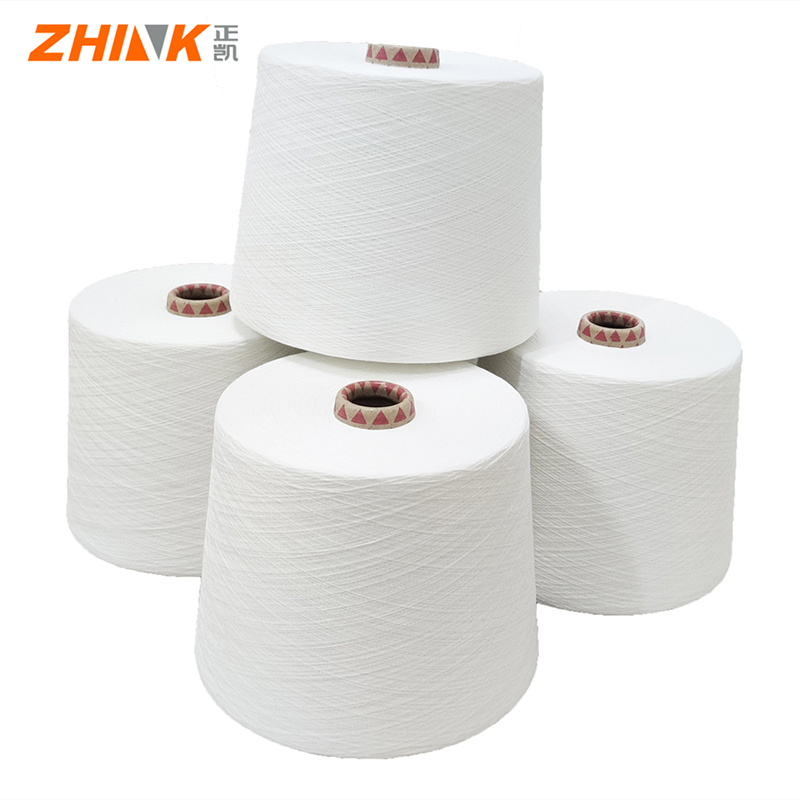
cationic polyester yarn bụ eriri sịntetik pụrụ iche ejiri arụ ọrụ molekụla gbanwetụrụ iji nabata ihe eji esiji agba, na-ebute agba mara mma yana ngwa ngwa dị elu ma e jiri ya tụnyere polyester ọkọlọtọ. Ntuziaka a na-enyocha ihe onwunwe ya pụrụ iche, nrụpụta nuances, ngwa mmepụta ihe dị iche iche, na nghọta ndị ọkachamara n'ihe mere o ji bụrụ nhọrọ bụ isi maka akwa na ejiji dị elu.
Kedu ihe bụ Cationic Polyester Yarn?
Cationic polyester yarn na-anọchite anya mgbanwe dị ịrịba ama na teknụzụ eriri sịntetik. Unlike conventional polyester, which is anionic and requires disperse dyes at high temperatures, cationic variants possess acidic groups within their polymer chain. Otu ndị a na-eme ka mmekọrita ụgwọ dị mma n'oge usoro agba agba.
Mgbanwe kemịkalụ a na-enye ohere ka eriri na-ejikọta ya na agba cationic (nke bụ isi). Nsonaazụ bụ ihe na-enye ahụkebe agba amamiihe, na-eṅomikarị ihe na-egbuke egbuke na mmetụta aka nke silk ma ọ bụ ajị anụ ka ọ na-ejigide ịdịte aka nke polymers sịntetik.
Ndị ọkachamara n'ụlọ ọrụ na-amata yarn a ọ bụghị naanị dị ka ihe ọzọ a na-esiji agba mana dị ka ụdị dị iche iche nke eriri arụmọrụ. It bridges the gap between the cost-effectiveness of synthetics and the aesthetic quality of natural fibers, making it a cornerstone in modern textile engineering.
Ihe dị iche iche nke kemikal
Isi ihe dị iche bụ na usoro copolymerization. N'oge mmepụta, ewebata monomer nke atọ nwere otu sulfonate. Nke a na-emepụta saịtị maka njikọta ion na ihe ọcha cationic.
- Polyester ọkọlọtọ: Hydrophobic elu, na-achọ elu-ike achụsasị agbaji.
- Polyester Cationic: Nwere saịtị anionic, na-adọta isiji agba site na mma electrostatic.
Mgbanwe nhazi a anaghị emebi ike ike ma ọ bụ nkwụsi ike nke eriri. Instead, it enhances the versatility of the final fabric, allowing for complex dyeing techniques that were previously impossible with standard PET fibers.
Njirimara isi na uru nka nka
Understanding the specific properties of cationic polyester yarn is essential for manufacturers and designers aiming to optimize product performance. Ihe eji eme ihe na-enye ngwakọta pụrụ iche nke ịchọ mma na uru ọrụ nke na-ekewapụ ya na ahịa textile asọmpi.
Ịma jijiji na agba dị elu
Ihe kacha pụta ìhè nke yarn a bụ ikike imepụta ya miri, ọgaranya shades. N'ihi na ụmụ irighiri ihe ndị na-esiji esiji na-abanye n'ime eriri eriri kama ịnọdụ naanị n'elu, agba na-apụtawanye ike ma na-egbuke egbuke.
Ọzọkwa, njikọ ion nke a na-eme n'oge agba agba na-eme ka ịsacha ngwa ngwa dị mma. Garments made from this material retain their original hue even after repeated laundering, addressing a common pain point in fast fashion and activewear sectors.
Silk-dị ka ihe ịchọ mma na mmetụta aka
Through specific texturing processes, cationic polyester can be engineered to mimic the softness and drape of natural silk. A na-enweta mmetụta a "pseudo-silk" na-enweghị nnukwu ihe ndozi chọrọ ma ọ bụ ọnụ ahịa ejikọtara na ezigbo silk.
The fiber’s smooth surface reduces friction against the skin, enhancing comfort in apparel applications. This makes it an ideal candidate for luxury loungewear, linings, and high-end fashion garments where tactile experience is paramount.
Nlekọta mmiri na nkasi obi
Ọganiihu n'oge na-adịbeghị anya n'ichepụta akụkụ eriri eriri emewo ka ike na-emebi mmiri nke yarn cationic. Site n'ịgbanwe ọdịdị anụ ahụ nke filament, ndị na-emepụta nwere ike ịmepụta capillary edinam nke na-adọta ọsụsọ n'ahụ.
- Nku ume: Mmelite ikuku ikuku n'ime ụlọ kpara akpa.
- Ịkpọcha ngwa ngwa: Njide mmiri dị ala ma e jiri ya tụnyere owu.
- Anti-static: Mbelata ikike imepụta ọkụ eletrik na gburugburu ala kpọrọ nkụ.
Ihe ndị a na-eme ka ihe ahụ dị mma maka uwe egwuregwu na ihe eji eme ihe n'èzí, ebe ijikwa okpomọkụ ahụ na mmiri dị oké mkpa maka ịrụ ọrụ onye ọrụ.
Cationic vs. Polyester oge niile: Ntụle zuru ezu
To fully appreciate the value proposition of cationic polyester yarn, it is necessary to compare it directly with regular polyester. Ọ bụ ezie na ha abụọ na-ekerịta ntọala polyethylene terephthalate, njirimara arụmọrụ ha na-adịgasị iche n'ụdị agba agba na njedebe ojiji.
| Njirimara | Cationic Polyester Yarn | Polyester Yarn mgbe niile |
|---|---|---|
| Usoro ịcha akwa | Ionic bonding na isi agba agba | Mgbasa nke anụ ahụ na ihe eji esiji agbasa |
| Omimi agba | Dị oke elu; gbara ọchịchịrị na omimi shades | Na-agafeghị oke; nwere ike ịpụta asacha na ụda gbara ọchịchịrị |
| Okpomọkụ agba agba | Ọtụtụ mgbe obere ume chọrọ maka ụfọdụ shades | Na-achọkarị okpomọkụ dị elu (130°C+) |
| Mmetụta Aka ákwà | Dị nro, dị ka silk, dị nro | Enwere ike inwe mmetụta isi ike ma ọ bụ plastik-enweghị ọgwụgwọ |
| Ihe kpatara ọnụ ahịa | Dị ntakịrị elu n'ihi monomers pụrụ iche | Nhọrọ sịntetik dị ọnụ ala |
| Mmetụta Eco-Mmetụta (Dyeing) | Enwere ike belata ojiji mmiri na usoro akọwapụtara | Nnukwu mmiri na ike oriri na-ahụkarị |
Ntụle a na-eme ka ọ pụta ìhè na ọ bụ ezie na polyester mgbe niile ka bụ ndabara maka ngwa ngwa ahịa, cationic variants bụ nhọrọ kachasị mma maka akụkụ adịchaghị ebe mma na ihe ịchọ mma na-akwalite mkpebi ịzụrụ.
Mmetụta ịchaji nwere ụda abụọ
Ikike pụrụ iche nke yarn cationic bụ iji ya mee ihe ụda abụọ ma ọ bụ mmetụta okpomọkụ. Mgbe agwakọtara ya na polyester mgbe niile n'otu akwa, eriri abụọ ahụ na-amịnye ụdị agba dị iche iche n'oge ịsa ahụ.
Nke a na-emepụta textures ọhụụ ọkaibe na-enweghị mkpa maka usoro akwa akwa dị mgbagwoju anya ma ọ bụ mbipụta. Designers utilize this property to create fabrics with depth and character, often seen in high-quality suitings and decorative home textiles.
Usoro nrụpụta na njikwa ogo
Mmepụta nke yarn polyester cationic gụnyere njikwa ziri ezi na polymerization na paramita ntụgharị. Ịnọgide na-agbanwe agbanwe dị mkpa iji hụ na yarn na-arụ ọrụ nke ọma n'oge nhazi akwa akwa. Achieving this level of precision requires not only advanced chemical knowledge but also state-of-the-art manufacturing infrastructure.
Ọrụ nke nrụpụta dị elu: Ọmụmụ ihe
Na odida obodo nke oge a textile engineering, ụlọ ọrụ dị ka Ihe ọhụrụ Zhink gosi ka mgbanwe dijitalụ si ebuli ogo yarn elu. As a national-level high-tech enterprise specializing in the R&D and production of new textile materials, Zhink has established itself as a strategic supplier to well-known global textile brands. Usoro ha na-emesi ike ngbanwe nke ụlọ ọrụ site na mmepụta omenala na mmepụta nke nwere ọgụgụ isi, data na-akwalite.
Zhink New Material adheres to a philosophy of “quality first, constant innovation, and rapid response.” Kemgbe ha malitere ọrụ nrụpụta smart ha na Nọvemba 2020, ha abanyela n'oge "Digital Zhink". By integrating internationally advanced automation with 5G technology, they pioneered the implementation of small-batch, multi-variety APS (Advanced Planning and Scheduling) intelligent production scheduling in the spinning sector. This high integration of ERP, MES, RFID identification, and online quality detection systems has filled numerous gaps in the domestic field, creating the industry’s first large-scale customized intelligent management platform.
Mmetụta nke teknụzụ dị otú ahụ na mmepụta yarn cationic dị omimi. For instance, the real-time quality online detection and material traceability systems ensure that the concentration of cationic modifiers remains consistent across batches—a critical factor for uniform dyeing. Furthermore, the use of big data supported by 5G connectivity allows for tighter control over production costs and significantly shorter R&D cycles. Ọkpụkpụ teknụzụ a na-enyere ndị na-ebubata ya aka ịnapụta yarn dị elu na-adịgide adịgide, nke na-adịghị mma achọrọ maka ngwa ngwa ngwa, na-egosi na ọdịnihu nke ịdị mma akwa dị na nrụpụta nwere ọgụgụ isi.
Mgbanwe polymer
Usoro na-amalite site na ntinye nke cationic modifier n'oge polycondensation ogbo. The ratio of the modifier must be strictly controlled to achieve the desired dye uptake rate without compromising the thermal stability of the polymer.
Ụkpụrụ ụlọ ọrụ na-ekpebi nnwale siri ike nke viscosity dị n'ime yana ọdịnaya diethylene glycol. Ngbanwe dị na metrik ndị a nwere ike iduga agbaji agbaji ma ọ bụ eriri na-enweghị isi n'oge a na-akpa akwa ma ọ bụ akwa akwa ọsọ ọsọ.
Spinning na Texturing
Ozugbo a kwadebere ibe polymer, a na-agbaze ha ma wepụ ya site na spinnerets iji mepụta filaments. A na-edozi ọnụego jụrụ oyi na esemokwu ịbịaru iji tụdo agbụ molekụla ahụ nke ọma.
- Mmepụta POY: A na-emepụta Yarn na-adabere na ya dị ka ngwaahịa etiti.
- Nhazi DTY: Draw Textured Yarn na-agbakwunye nnukwu na ngbanwe, dị oke mkpa maka uwe.
- Nhọrọ FDY: Yarn dọtara nke ọma na-enye ire ụtọ maka akwa a kpara akpa.
Ebe a na-enyocha ịdịmma gụnyere nleba anya nleba anya n'otu n'otu, elongation na nkwụsịtụ, na mbelata mmiri esi. Metiriks ndị a na-ahụ na yarn na-emezu ihe siri ike nke ụdị akwa akwa zuru ụwa ọnụ.
Nkwekọrịta na Dye Affinity
Otu n'ime nnukwu nsogbu n'ichepụta bụ ịhụ n'otu n'otu n'otu n'otu na agba agba. Ọbụna obere mgbanwe dị na mkpokọta cationic otu nwere ike ime ka ọdịiche dị na ndò dị na akwa ikpeazụ.
Advanced manufacturers employ automated dosing systems and real-time spectroscopic analysis to maintain tight tolerances. Nkwenye a maka nkenke bụ ihe na-ekewa ndị na-ebubata ego na ndị na-emepụta ihe n'ahịa zuru ụwa ọnụ.
Ngwa dị iche iche gafere ụlọ ọrụ
Ntughari nke yarn polyester cationic na-agbatị karịa uwe dị mfe. Ngwakọta ya pụrụ iche nke ịdịte aka, ịchọ mma, na arụrụ ọrụ emewo ka nnabata zuru ebe niile n'ofe akụkụ dị iche iche.
Ejiji na Uwe
Na ụlọ ọrụ ejiji, yarn a bụ isi ihe maka ịmepụta okomoko-uche uwe at accessible price points. A na-eji ya nke ukwuu na uwe, uwe elu na uwe elu ebe a na-achọ akwa akwa silk.
Ụdị uwe na-arụ ọrụ na-ejikwa ihe ndị na-eme ka mmiri na-eme ihe. Uwe elu na-agba ọsọ, uwe ogologo ọkpa yoga, na uwe mkpakọ na-erite uru site n'ikike eriri ahụ na-eme ka onye na-eyi ya kpọọ nkụ na ntụsara ahụ n'oge mmega ahụ siri ike.
Akwa ụlọ na ihe ndozi
The home furnishing sector utilizes cationic yarn for curtains, upholstery, and bedding. Ịdị ngwa ngwa na agba na-eme ka o doo anya na drapes adịghị ada ada mgbe ekpughere ya na ìhè anyanwụ, ihe na-emekarị na eriri ndị ọzọ sịntetik.
Na mgbakwunye, ikike imepụta mmetụta dị mgbagwoju anya nwere ụda abụọ na-enye ndị na-emepụta ohere imepụta ụkpụrụ jacquard ọkaibe na akwa ederede nke na-ebuli ihe ịchọ mma ime ụlọ na-ebulighị mgbagwoju anya mmepụta.
Eji ụlọ ọrụ mmepụta ihe na nka nka
E wezụga ngwa ahịa ndị ahịa, cationic polyester na-achọta ngwa na textiles teknụzụ. Nguzogide ya na kemịkalụ na abrasion na-eme ka ọ dị mma maka akwa nzacha na uwe nchebe.
Na ụlọ ọrụ ụgbọ ala, a na-ejikarị ya eme ihe maka mkpuchi oche na mkpụbelata ime. Nguzogide ihe a na-ebelata site na mkpughe UV na ịdị mfe nke ihicha ya kwekọrọ n'ụkpụrụ ịdịte aka ụgbọ ala.
Nghọta ndị ọkachamara: Trends na Outlook Ọdịnihu
Ndị na-enyocha ụlọ ọrụ na-ahụ ọnọdụ na-agbanwe agbanwe na ahịa fiber sịntetik. Ka ndị na-azụ ahịa na-amawanyewanye maka ịdị mma na nkwado, ọchịchọ maka yarns pụrụ iche dị ka cationic polyester na-aga n'ihu na-arị elu.
Ngbanwe ahụ na-aga n'ihu
Ọ bụ ezie na e sitere na mmanụ ala, ụlọ ọrụ ahụ na-aga n'ihu polyester cationic emegharịrị. Ihe ohuru ohuru na-enye ohere itinye ihe eji megharia ihe eji emeghari ihe (PCR) n'ime matriks polymer cationic.
This development addresses the growing environmental concerns associated with synthetic textiles. Ụdị na-arị elu na-achọ yarn cationic agbazigharịrị agbaziri agbaziri iji mezuo ebumnuche nkwado ụlọ ọrụ ha ma na-amasị ndị na-azụ ahịa na-eche echiche.
Ngwakọta teknụzụ
Mmepe nke ga-eme n'ọdịnihu nwere ike ịhụ njikọta nke arụmọrụ smart n'ime yarn cationic. Researchers are exploring ways to embed conductive properties or phase-change materials within the fiber structure.
Ihe ọhụrụ dị otú ahụ nwere ike ịgbanwe uwe ọkọlọtọ ka ọ bụrụ teknụzụ na-emekọrịta ihe, na-eme ka ọ dị adị na nkasi obi nke polyester cationic dị ka ntọala ntọala maka akwa akwa na-esote.
Ọnọdụ ahịa
Current market trends indicate a steady growth trajectory for high-value synthetic fibers. Dị ka ọnụ ahịa dị n'etiti eke na sịntetik dị warara n'ihi nhazi nhazi nke ọma, cationic polyester dị njikere ijide nnukwu òkè nke ahịa etiti na njedebe dị elu.
Ndị ọkachamara na-atụ aro na ndị na-emepụta ihe na-etinye ego na R&D maka akụkụ obe ọhụrụ na ndakọrịta ihe eji akwa akwa ga-eduga n'ọbịbịa nke mmepụta ihe ọhụrụ nke ụlọ ọrụ.
Ihe ịma aka na ngwọta nkịtị
N'agbanyeghị uru ya, ịrụ ọrụ na yarn polyester cationic na-enye ụfọdụ ihe ịma aka. Understanding these potential pitfalls and their solutions is crucial for textile engineers and procurement specialists.
Okwu ịdị n'ịdị n'otu
Mgbe ụfọdụ, nkesa na-ezighi ezi nke cationic modifier nwere ike ibute nsonaazụ na-adịghị mma ma ọ bụ streaks na akwa a na-esiji. Nke a na-akawanye njọ site na esemokwu na-ekwekọghị ekwekọ mgbe a na-akpa ákwà ma ọ bụ na-akpa ákwà.
Ngwọta: Ịmepụta usoro nchịkwa siri ike nke esemokwu na iji obere nza na-eme ule tupu ịcha akwa nwere ike ibelata ihe egwu a. Ensuring the yarn has undergone proper heat-setting before dyeing is also critical.
Ndakọrịta na ngwakọta
Mgbe ị na-agwakọta polyester cationic na eriri ndị ọzọ dị ka owu ma ọ bụ ajị anụ, inweta nsonaazụ dị larịị nwere ike ịdị mgbagwoju anya n'ihi ụdị agba dị iche iche.
- Atụmatụ: Jiri usoro agba agba abụọ ebe a na-eji ịsa ahụ dị iche iche ma ọ bụ ihe eji esiji otu eme ihe.
- Nkwalite: Gbanwee ọkwa pH na profaịlụ okpomọkụ iji nabata ụdị eriri abụọ ahụ n'otu oge.
Mmekọrịta dị n'etiti ndị na-eweta yarn na ụlọ ndị na-esiji esiji dị mkpa iji mepụta ntụziaka ahaziri nke na-ebuli ikike nke akwa agwakọta.
Ijikwa ọnụ ahịa
Ọnụ ego mbụ nke yarn cationic dị elu karịa polyester ọkọlọtọ. Maka ọrụ ndị nwere ọnụ ahịa, nke a nwere ike bụrụ ihe mgbochi na nkuchi.
Otú ọ dị, uru agbakwunyere site na mbenata oge agba agba, obere ume ike, na ọnụ ahịa ọnụ ahịa dị elu na-emekarị ka ọnụ ahịa akụrụngwa kwụsịlata. A holistic cost-benefit analysis usually favors the cationic option for premium product lines.
Ajụjụ A na-ajụkarị (FAQ)
Ịza ajụjụ ndị a na-ajụkarị na-enyere aka ịkọwa echiche na-ezighị ezi ma na-enye azịza ngwa ngwa maka ndị ọkachamara na-enyocha ihe a maka ụdọ ọkọnọ ha.
cationic polyester yarn ọ bụ enyi na enyi?
Ọ bụ ezie na ọ bụ eriri sịntetik, ịdị mma ya na-adabere na usoro mmepụta ya. Usoro agba agba na-achọkarị obere mmiri na ume ma e jiri ya tụnyere agba agba polyester ọdịnala. Furthermore, the availability of recycled cationic options significantly reduces its carbon footprint.
Enwere ike ịgwakọta polyester cationic na owu?
Ee, a na-ejikọta ya na owu ugboro ugboro iji jikọta ume iku ume nke eriri eke na ịdịte aka na agba agba nke sịntetik. A chọrọ ụkpụrụ agba agba pụrụ iche iji hụ na ihe abụọ a na-amịkọrọ agba nke ọma.
Ọgwụ cationic polyester ọ dị mfe?
Nguzogide ọgwụ na-adabere n'ụdị filament na imecha ọgwụgwọ. High-quality cationic yarns, especially those with continuous filaments rather than spun staples, exhibit excellent pilling resistance comparable to or better than standard polyester.
Kedu ihe bụ ndụ shelf nke yarn cationic?
Dị ka polyester ọkọlọtọ, yarn cationic nwere ndụ nchekwa na-enweghị ngwụcha ma ọ bụrụ na echekwara ya na ọnọdụ dị jụụ na nkụ na-adịghị na ìhè anyanwụ. Ndị na-eme mgbanwe kemịkalụ kwụsiri ike ma ghara imebi oge n'okpuru ọnọdụ nchekwa nkịtị.
Kedu ka ọ si atụnyere naịlọn n'ihe gbasara ike?
Naịlọn na-enyekarị ike tensile dị elu yana nguzogide abrasion. However, cationic polyester provides superior UV resistance and color retention. The choice between the two depends on the specific performance requirements of the end application.
Otu esi ahọrọ yarn cationic ziri ezi maka ọrụ gị
Ịhọrọ nkọwapụta kwesịrị ekwesị chọrọ nghota doro anya nke ihe eji eme ihe emecha. Ọ bụghị ihe niile cationic yarn ka e kere hà, na ịhọrọ ụdị na-ezighị ezi nwere ike iduga na mmepụta igbu oge ma ọ bụ subpar ikpeazụ ngwaahịa.
Nyochaa chọrọ iji ngwụcha
Malite site n'ịkọwapụta isi ọrụ nke akwa ahụ. Is it for high-abrasion sportswear, delicate lingerie, or heavy-duty upholstery? Mkpebi a ga-eduzi nhọrọ nke denier na filament count.
- Uwe: Chọọ ndị agọnarị nke ọma (dịka, 50D-75D) maka ịdị nro.
- Akwa ụlọ: Họrọ maka ndị ngọnarị dị arọ (dịka, 150D-300D) maka ịdịte aka.
Nyochaa ike ịchacha ihe
Nyochaa ọkwa mmekọ nke yarn ahụ. Ndị na-ebubata ihe na-enyekarị data gbasara uru saturation, na-egosi oke agba agba nwere ike ịmịnye ya. Ime nke a na ịdị omimi agba nke ebumnuche gị dị oke mkpa maka nsonaazụ na-agbanwe agbanwe.
Rịọ ụlọ nyocha site n'aka onye na-ebubata gị tupu ịmebe iwu buru ibu. Nzọụkwụ a na-achọpụta na yarn na-emeghachi omume dịka a tụrụ anya ya na kemistri na akụrụngwa gị kpọmkwem.
Tụlee asambodo nkwado
Ọ bụrụ na ika gị na-emesi nkwado ike, jụọ maka asambodo dịka GRS (Global Recycled Standard) ma ọ bụ Oeko-Tex. Asambodo ndị a na-enyocha nkwupụta gburugburu ebe obibi nke yarn wee hụ na nnabata na ụkpụrụ nchekwa mba ụwa.
Mkpebi na Nkwanye Atụmatụ
Cationic polyester yarn stands out as a versatile, high-performance material that successfully merges the economic benefits of synthetics with the aesthetic qualities of natural fibers. Ikike ya ịwepụta agba na-adọrọ adọrọ, ịdị elu dị elu na mmetụta aka okomoko na-eme ka ọ bụrụ ihe dị mkpa maka nrụpụta akwa ọgbara ọhụrụ.
From fashion apparel to technical industrial applications, the adaptability of this yarn continues to drive innovation across the sector. Ka ụlọ ọrụ ahụ na-agbago maka omume ga-adigide karị, mpụta nke cationic variants emegharịrị na-eme ka ọnọdụ ya sie ike dị ka ihe ngwọta ga-egosi n'ọdịnihu.
Kedu onye kwesịrị iji nke a? Ihe a dị mma maka ụdị ndị na-achọ ibuli ogo ngwaahịa na-enweghị ọnụ ahịa na-abawanye nke ukwuu, ọkachasị n'akụkụ ahịa etiti na-adịchaghị. It is also highly recommended for manufacturers looking to reduce their environmental impact through efficient dyeing processes.
Maka ndị na-atụle itinye polyester cationic n'ime usoro ọkọnọ ha, nzọụkwụ na-esote bụ iso ndị na-ebubata ngwaahịa a ma ama nwere ike ịnye mpempe data teknụzụ na swatches sample. Ime obere nnwale ga-akwado arụmọrụ yarn na gburugburu mmepụta gị, na-eme ka mgbanwe na-enweghị ntụpọ na teknụzụ fiber a dị elu.