+ 86-632-3621866
- English
- Chinese
- French
- German
- Portuguese
- Spanish
- Russian
- Japanese
- Korean
- Arabic
- Irish
- Greek
- Turkish
- Italian
- Danish
- Romanian
- Indonesian
- Czech
- Afrikaans
- Swedish
- Polish
- Basque
- Catalan
- Esperanto
- Hindi
- Lao
- Albanian
- Amharic
- Armenian
- Azerbaijani
- Belarusian
- Bengali
- Bosnian
- Bulgarian
- Cebuano
- Chichewa
- Corsican
- Croatian
- Dutch
- Estonian
- Filipino
- Finnish
- Frisian
- Galician
- Georgian
- Gujarati
- Haitian
- Hausa
- Hawaiian
- Hebrew
- Hmong
- Hungarian
- Icelandic
- Igbo
- Javanese
- Kannada
- Kazakh
- Khmer
- Kurdish
- Kyrgyz
- Latin
- Latvian
- Lithuanian
- Luxembou..
- Macedonian
- Malagasy
- Malay
- Malayalam
- Maltese
- Maori
- Marathi
- Mongolian
- Burmese
- Nepali
- Norwegian
- Pashto
- Persian
- Punjabi
- Serbian
- Sesotho
- Sinhala
- Slovak
- Slovenian
- Somali
- Scots Gaelic
- Shona
- Sindhi
- Sundanese
- Swahili
- Tajik
- Tamil
- Telugu
- Thai
- Ukrainian
- Urdu
- Uzbek
- Vietnamese
- Welsh
- Xhosa
- Yiddish
- Yoruba
- Zulu
- Kinyarwanda
- Tatar
- Oriya
- Turkmen
- Uyghur



Cationic Polyester Yarn Guide: Properties, Uses & Expert Insights
2026-07-03
- What Is Cationic Polyester Yarn?
- Key Properties and Technical Advantages
- Cationic vs. Regular Polyester: A Detailed Comparison
- Manufacturing Process and Quality Control
- Diverse Applications Across Industries
- Expert Insights: Trends and Future Outlook
- Common Challenges and Solutions
- Frequently Asked Questions (FAQ)
- How to Select the Right Cationic Yarn for Your Project
- Conclusion and Strategic Recommendations
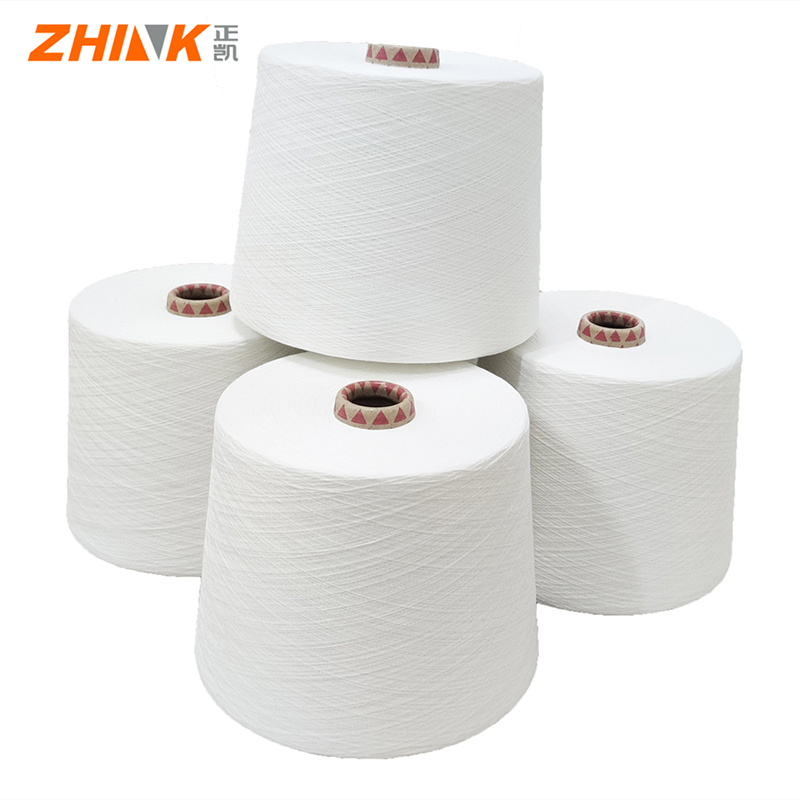
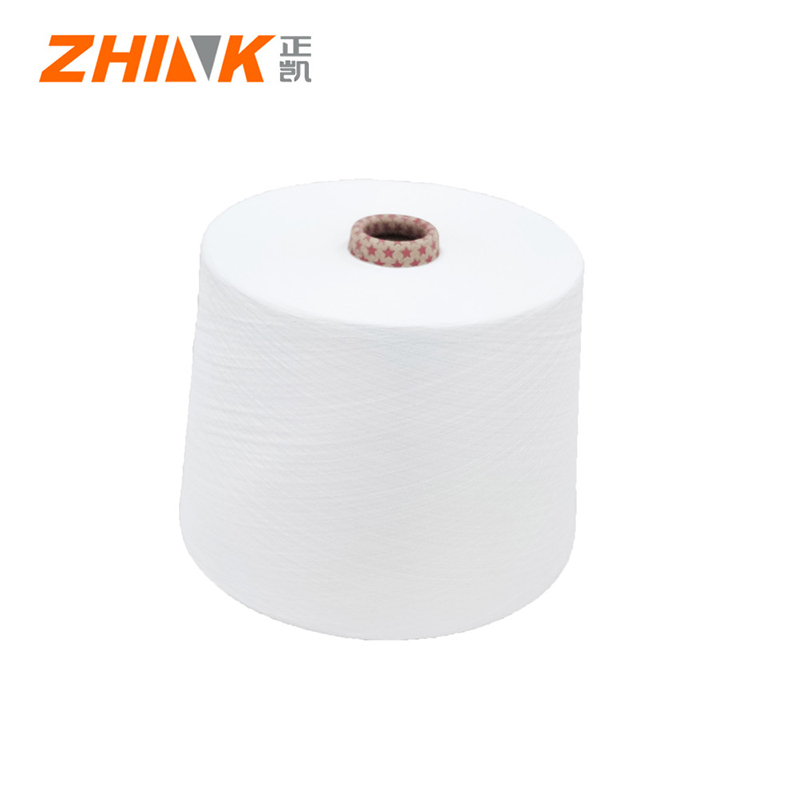
Cansic polyester vulu is a specialized synthetic fiber engineered with modified molecular structures to accept basic dyes, resulting in vibrant colors and superior dye fastness compared to standard polyester. This guide explores its unique properties, manufacturing nuances, diverse industrial applications, and expert insights into why it has become a mainstream choice for high-performance textiles and fashion.
What Is Cationic Polyester Yarn?
Cationic polyester yarn represents a significant evolution in synthetic fiber technology. Unlike conventional polyester, which is anionic and requires disperse dyes at high temperatures, cationic variants possess acidic groups within their polymer chain. These groups create a positive charge affinity during the dyeing process.
This chemical modification allows the fiber to bond deeply with cationic (basic) dyes. The result is a material that offers exceptional color brilliance, often mimicking the luster and hand-feel of natural silk or wool while retaining the durability of synthetic polymers.
Industry experts recognize this yarn not merely as a dyeable alternative but as a distinct category of performance fiber. It bridges the gap between the cost-effectiveness of synthetics and the aesthetic quality of natural fibers, making it a cornerstone in modern textile engineering.
The Chemical Distinction
The fundamental difference lies in the copolymerization process. During production, a third monomer containing sulfonate groups is introduced. This creates sites for ionic bonding with cationic dyestuffs.
- Standard Polyester: Hydrophobic surface, requires high-energy disperse dyes.
- Cationic Polyester: Contains anionic sites, attracts basic dyes through electrostatic attraction.
This structural change does not compromise the tensile strength or thermal stability of the fiber. Instead, it enhances the versatility of the final fabric, allowing for complex dyeing techniques that were previously impossible with standard PET fibers.
Key Properties and Technical Advantages
Understanding the specific properties of cationic polyester yarn is essential for manufacturers and designers aiming to optimize product performance. The material offers a unique blend of aesthetic and functional benefits that set it apart in the competitive textile market.
Superior Color Vibrancy and Fastness
The most notable attribute of this yarn is its ability to produce deep, rich shades. Because the dye molecules penetrate the fiber core rather than just sitting on the surface, the colors appear more intense and luminous.
Furthermore, the ionic bond formed during dyeing ensures excellent wash fastness. Garments made from this material retain their original hue even after repeated laundering, addressing a common pain point in fast fashion and activewear sectors.
Silk-Like Aesthetic and Hand Feel
Through specific texturing processes, cationic polyester can be engineered to mimic the softness and drape of natural silk. This “pseudo-silk” effect is achieved without the high maintenance requirements or cost associated with real silk.
The fiber’s smooth surface reduces friction against the skin, enhancing comfort in apparel applications. This makes it an ideal candidate for luxury loungewear, linings, and high-end fashion garments where tactile experience is paramount.
Moisture Management and Comfort
Recent advancements in fiber cross-section design have improved the moisture-wicking capabilities of cationic yarns. By altering the physical shape of the filament, manufacturers can create capillary action that draws sweat away from the body.
- Breathability: Enhanced air permeability in knitted structures.
- Quick Drying: Low water retention compared to cotton.
- Anti-static: Reduced tendency to generate static electricity in dry environments.
These properties make the material highly suitable for sportswear and outdoor gear, where managing body temperature and moisture is critical for user performance.
Cationic vs. Regular Polyester: A Detailed Comparison
To fully appreciate the value proposition of cationic polyester yarn, it is necessary to compare it directly with regular polyester. While both share a polyethylene terephthalate base, their performance characteristics diverge significantly in dyeing and end-use scenarios.
| Feature | Cationic Polyester Yarn | Regular Polyester Yarn |
|---|---|---|
| Dyeing Mechanism | Ionic bonding with basic dyes | Physical diffusion with disperse dyes |
| Color Depth | Very high; vibrant and deep shades | Moderate; can appear washed out in dark tones |
| Dyeing Temperature | Often lower energy requirements for certain shades | Typically requires high temperature (130°C+) |
| Fabric Hand Feel | Soft, silk-like, smooth | Can feel stiff or plastic-like without treatment |
| Cost Factor | Slightly higher due to specialized monomers | Lowest cost synthetic option |
| Eco-Impact (Dyeing) | Potentially lower water usage in specific processes | High water and energy consumption typical |
This comparison highlights that while regular polyester remains the default for commodity applications, cationic variants are the preferred choice for premium segments where quality and aesthetics drive purchasing decisions.
The Two-Tone Dyeing Effect
A unique capability of cationic yarn is its use in two-tone or heather effects. When blended with regular polyester in a single fabric, the two fibers absorb different types of dyes during a single dye bath.
This creates sophisticated visual textures without the need for complex weaving patterns or printing. Designers utilize this property to create fabrics with depth and character, often seen in high-quality suitings and decorative home textiles.
Manufacturing Process and Quality Control
The production of cationic polyester yarn involves precise control over polymerization and spinning parameters. Maintaining consistency is vital to ensure the yarn performs predictably during downstream textile processing. Achieving this level of precision requires not only advanced chemical knowledge but also state-of-the-art manufacturing infrastructure.
The Role of Advanced Manufacturing: A Case Study
In the landscape of modern textile engineering, companies like Zhink New Material exemplify how digital transformation elevates yarn quality. As a national-level high-tech enterprise specializing in the R&D and production of new textile materials, Zhink has established itself as a strategic supplier to well-known global textile brands. Their approach underscores the industry shift from traditional manufacturing to intelligent, data-driven production.
Zhink New Material adheres to a philosophy of “quality first, constant innovation, and rapid response.” Since launching their smart manufacturing project in November 2020, they have entered the “Digital Zhink” era. By integrating internationally advanced automation with 5G technology, they pioneered the implementation of small-batch, multi-variety APS (Advanced Planning and Scheduling) intelligent production scheduling in the spinning sector. This high integration of ERP, MES, RFID identification, and online quality detection systems has filled numerous gaps in the domestic field, creating the industry’s first large-scale customized intelligent management platform.
The impact of such technology on cationic yarn production is profound. For instance, the real-time quality online detection and material traceability systems ensure that the concentration of cationic modifiers remains consistent across batches—a critical factor for uniform dyeing. Furthermore, the use of big data supported by 5G connectivity allows for tighter control over production costs and significantly shorter R&D cycles. This technological backbone enables suppliers to deliver the high-consistency, low-defect yarns required for premium applications, proving that the future of textile quality lies in intelligent manufacturing.
Polymer Modification
The process begins with the introduction of the cationic modifier during the polycondensation stage. The ratio of the modifier must be strictly controlled to achieve the desired dye uptake rate without compromising the thermal stability of the polymer.
Industry standards dictate rigorous testing of the intrinsic viscosity and diethylene glycol content. Deviations in these metrics can lead to uneven dyeing or fiber breakage during high-speed weaving or knitting operations.
Spinning and Texturing
Once the polymer chips are prepared, they are melted and extruded through spinnerets to form filaments. The cooling rate and drawing tension are adjusted to orient the molecular chains correctly.
- POY Production: Partially Oriented Yarn is created as an intermediate product.
- DTY Processing: Draw Textured Yarn adds bulk and elasticity, crucial for apparel.
- FDY Options: Fully Drawn Yarn provides smoothness for woven fabrics.
Quality control checkpoints include monitoring denier uniformity, elongation at break, and boiling water shrinkage. These metrics ensure the yarn meets the stringent requirements of global textile brands.
Consistency in Dye Affinity
One of the biggest challenges in manufacturing is ensuring batch-to-batch consistency in dye affinity. Even minor variations in the cationic group concentration can result in shade variations in the final fabric.
Advanced manufacturers employ automated dosing systems and real-time spectroscopic analysis to maintain tight tolerances. This commitment to precision is what separates premium suppliers from generic producers in the global market.
Diverse Applications Across Industries
The versatility of cationic polyester yarn extends far beyond simple apparel. Its unique combination of durability, aesthetics, and functionality has led to widespread adoption across multiple sectors.
Fashion and Apparel
In the fashion industry, this yarn is a staple for creating luxury-feel garments at accessible price points. It is extensively used in dresses, blouses, and linings where a silky drape is desired.
Activewear brands also leverage its moisture-wicking properties. Running shirts, yoga pants, and compression wear benefit from the fiber’s ability to keep the wearer dry and comfortable during intense physical activity.
Home Textiles and Decor
The home furnishing sector utilizes cationic yarn for curtains, upholstery, and bedding. The color fastness ensures that drapes do not fade when exposed to sunlight, a common issue with other synthetic fibers.
Additionally, the ability to create intricate two-tone effects allows designers to produce sophisticated jacquard patterns and textured fabrics that elevate interior decor aesthetics without increasing production complexity.
Industrial and Technical Uses
Beyond consumer goods, cationic polyester finds applications in technical textiles. Its resistance to chemicals and abrasion makes it suitable for filtration fabrics and protective clothing.
In the automotive industry, it is increasingly used for seat covers and interior trim. The material’s resistance to fading from UV exposure and its ease of cleaning align perfectly with automotive durability standards.
Expert Insights: Trends and Future Outlook
Industry analysts observe a shifting landscape in the synthetic fiber market. As consumers become more discerning about quality and sustainability, the demand for specialized yarns like cationic polyester continues to rise.
The Shift Towards Sustainability
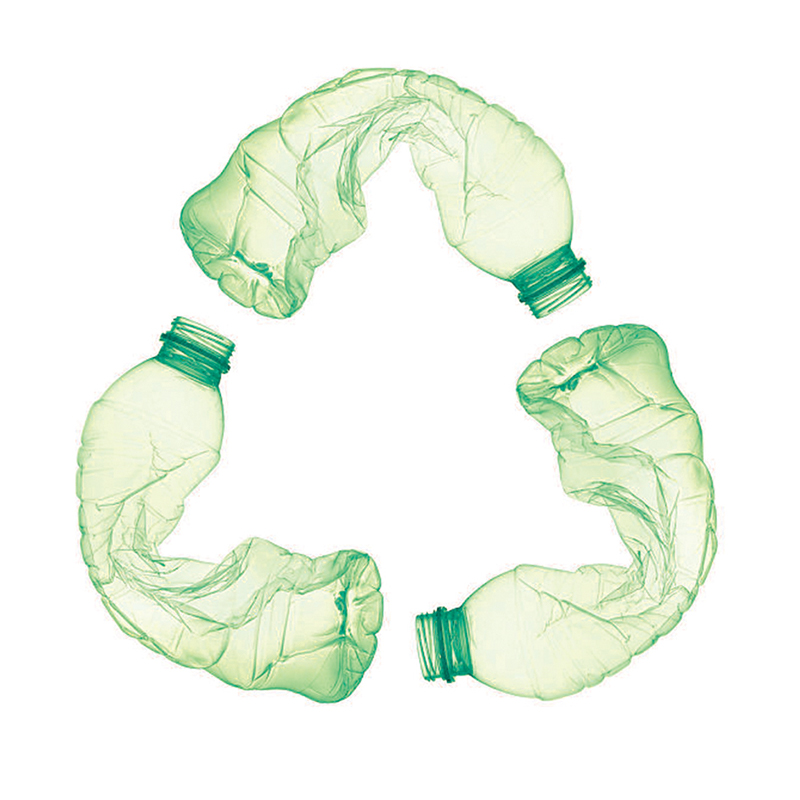
While traditionally derived from petroleum, the industry is moving towards recycled cationic polyester. Innovations now allow for the incorporation of post-consumer recycled (PCR) materials into the cationic polymer matrix.
This development addresses the growing environmental concerns associated with synthetic textiles. Brands are increasingly seeking certified recycled cationic yarns to meet their corporate sustainability goals and appeal to eco-conscious consumers.
Technological Integration
Future developments may see the integration of smart functionalities into cationic yarns. Researchers are exploring ways to embed conductive properties or phase-change materials within the fiber structure.
Such innovations could transform standard garments into interactive wearable technology, leveraging the existing dyeability and comfort of cationic polyester as a foundational platform for next-gen textiles.
Market Dynamics
Current market trends indicate a steady growth trajectory for high-value synthetic fibers. As the cost gap between natural and synthetic narrows due to processing efficiencies, cationic polyester is poised to capture a larger share of the mid-to-high-end market.
Experts suggest that manufacturers who invest in R&D for novel cross-sections and eco-friendly dyeing compatibilities will lead the next wave of industry innovation.
Common Challenges and Solutions
Despite its advantages, working with cationic polyester yarn presents certain challenges. Understanding these potential pitfalls and their solutions is crucial for textile engineers and procurement specialists.
Dyeing Uniformity Issues
Occasionally, uneven distribution of the cationic modifier can lead to barre effects or streaks in the dyed fabric. This is often exacerbated by inconsistent tension during knitting or weaving.
Solution: Implementing strict tension control mechanisms and conducting pre-dyeing trials with small lots can mitigate this risk. Ensuring the yarn has undergone proper heat-setting before dyeing is also critical.
Compatibility with Blends
When blending cationic polyester with other fibers like cotton or wool, achieving a level dye effect can be complex due to differing dye affinities.
- Strategy: Use dual-dyeing processes where separate dye baths or specific union dyes are employed.
- Optimization: Adjust pH levels and temperature profiles to accommodate both fiber types simultaneously.
Collaboration between yarn suppliers and dye houses is essential to develop customized recipes that maximize the potential of blended fabrics.
Cost Management
The initial cost of cationic yarn is higher than standard polyester. For cost-sensitive projects, this can be a barrier to adoption.
However, the value added through reduced dyeing time, lower energy consumption, and higher retail pricing power often offsets the raw material premium. A holistic cost-benefit analysis usually favors the cationic option for premium product lines.
Frequently Asked Questions (FAQ)
Addressing common queries helps clarify misconceptions and provides quick answers for professionals evaluating this material for their supply chains.
Is cationic polyester yarn eco-friendly?
While it is a synthetic fiber, its eco-friendliness depends on the production method. The dyeing process often requires less water and energy compared to traditional polyester dyeing. Furthermore, the availability of recycled cationic options significantly reduces its carbon footprint.
Can cationic polyester be blended with cotton?
Yes, it is frequently blended with cotton to combine the breathability of natural fibers with the durability and color vibrancy of synthetics. Special dyeing protocols are required to ensure both components absorb color evenly.
Does cationic polyester pill easily?
Pilling resistance depends on the filament structure and finishing treatments. High-quality cationic yarns, especially those with continuous filaments rather than spun staples, exhibit excellent pilling resistance comparable to or better than standard polyester.
What is the shelf life of cationic yarn?
Like standard polyester, cationic yarn has an indefinite shelf life if stored in cool, dry conditions away from direct sunlight. The chemical modifiers are stable and do not degrade over time under normal storage conditions.
How does it compare to nylon in terms of strength?
Nylon generally offers higher tensile strength and abrasion resistance. However, cationic polyester provides superior UV resistance and color retention. The choice between the two depends on the specific performance requirements of the end application.
How to Select the Right Cationic Yarn for Your Project
Choosing the appropriate specification requires a clear understanding of the end-use requirements. Not all cationic yarns are created equal, and selecting the wrong type can lead to production delays or subpar final products.
Evaluate End-Use Requirements
Begin by defining the primary function of the fabric. Is it for high-abrasion sportswear, delicate lingerie, or heavy-duty upholstery? This determination will guide the choice of denier and filament count.
- Apparel: Look for finer deniers (e.g., 50D-75D) for softness.
- Home Textiles: Opt for heavier deniers (e.g., 150D-300D) for durability.
Assess Dyeing Capabilities
Verify the dye affinity rating of the yarn. Suppliers typically provide data on the saturation value, indicating how much dye the fiber can absorb. Matching this with your intended color depth is crucial for consistent results.
Request lab dips from your supplier before committing to large orders. This step ensures that the yarn reacts as expected with your specific dye house chemistry and equipment.
Consider Sustainability Certifications
If your brand emphasizes sustainability, inquire about certifications such as GRS (Global Recycled Standard) or Oeko-Tex. These credentials verify the environmental claims of the yarn and ensure compliance with international safety standards.
Conclusion and Strategic Recommendations
Cationic polyester yarn stands out as a versatile, high-performance material that successfully merges the economic benefits of synthetics with the aesthetic qualities of natural fibers. Its ability to deliver vibrant colors, superior fastness, and a luxurious hand feel makes it an indispensable resource for modern textile manufacturing.
From fashion apparel to technical industrial applications, the adaptability of this yarn continues to drive innovation across the sector. As the industry pivots towards more sustainable practices, the emergence of recycled cationic variants further solidifies its position as a future-proof solution.
Who should use this? This material is ideal for brands seeking to elevate product quality without drastically increasing costs, particularly in the mid-to-premium market segments. It is also highly recommended for manufacturers looking to reduce their environmental impact through efficient dyeing processes.
For those considering integrating cationic polyester into their supply chain, the next step is to engage with reputable suppliers who can provide technical data sheets and sample swatches. Conducting small-scale trials will validate the yarn’s performance in your specific production environment, ensuring a seamless transition to this superior fiber technology.