+ 86-632-3621866
- English
- Chinese
- French
- German
- Portuguese
- Spanish
- Russian
- Japanese
- Korean
- Arabic
- Irish
- Greek
- Turkish
- Italian
- Danish
- Romanian
- Indonesian
- Czech
- Afrikaans
- Swedish
- Polish
- Basque
- Catalan
- Esperanto
- Hindi
- Lao
- Albanian
- Amharic
- Armenian
- Azerbaijani
- Belarusian
- Bengali
- Bosnian
- Bulgarian
- Cebuano
- Chichewa
- Corsican
- Croatian
- Dutch
- Estonian
- Filipino
- Finnish
- Frisian
- Galician
- Georgian
- Gujarati
- Haitian
- Hausa
- Hawaiian
- Hebrew
- Hmong
- Hungarian
- Icelandic
- Igbo
- Javanese
- Kannada
- Kazakh
- Khmer
- Kurdish
- Kyrgyz
- Latin
- Latvian
- Lithuanian
- Luxembou..
- Macedonian
- Malagasy
- Malay
- Malayalam
- Maltese
- Maori
- Marathi
- Mongolian
- Burmese
- Nepali
- Norwegian
- Pashto
- Persian
- Punjabi
- Serbian
- Sesotho
- Sinhala
- Slovak
- Slovenian
- Somali
- Scots Gaelic
- Shona
- Sindhi
- Sundanese
- Swahili
- Tajik
- Tamil
- Telugu
- Thai
- Ukrainian
- Urdu
- Uzbek
- Vietnamese
- Welsh
- Xhosa
- Yiddish
- Yoruba
- Zulu
- Kinyarwanda
- Tatar
- Oriya
- Turkmen
- Uyghur


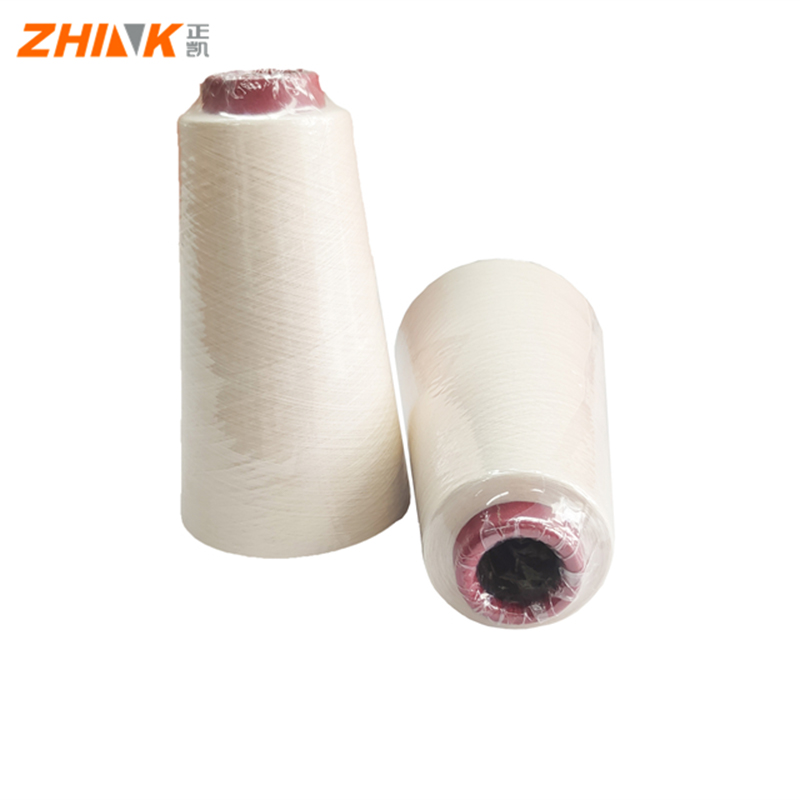
Super Micro Polyester Yarn Guide: Types, Uses & Expert Insights
2026-06-12
- What Defines Super Micro Polyester Yarn?
- Key Types and Classifications
- Manufacturing Processes and Technical Logic
- Leading the Industry: The Zhink New Material Advantage
- Primary Applications and Use Cases
- Advantages and Limitations Analysis
- How to Select the Right Yarn for Your Project
- Frequently Asked Questions (FAQ)
- Future Trends in Super Micro Fiber Technology
- Conclusion and Expert Recommendations
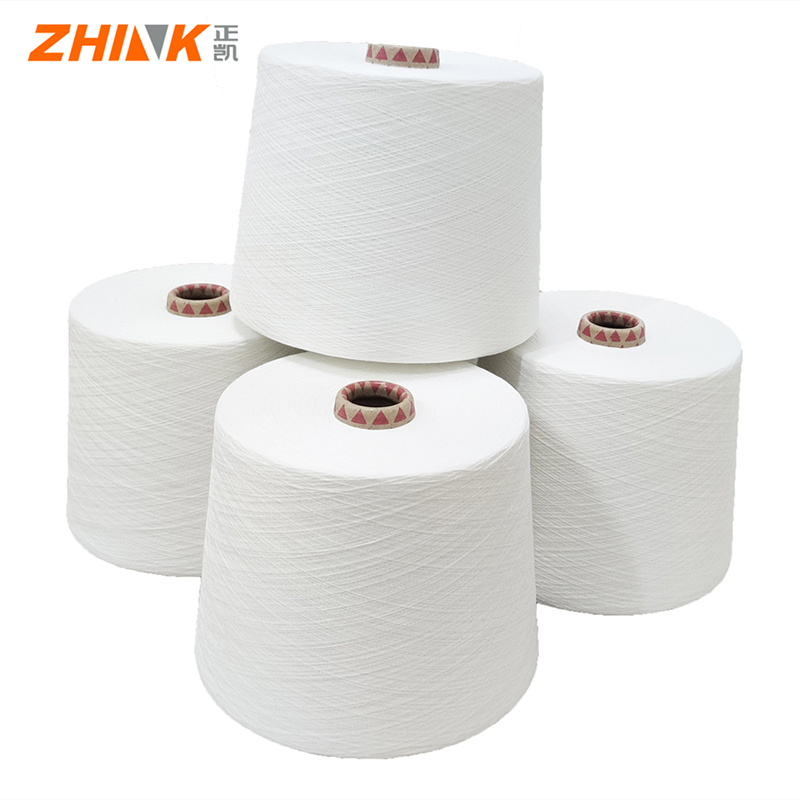
Super micro polyester yarn is an advanced synthetic fiber characterized by an ultra-fine denier, typically below 0.5 dpf (denier per filament), offering exceptional softness, superior moisture management, and a luxurious silk-like hand feel. Unlike standard polyester, this specialized yarn utilizes microscopic filaments to create dense fabric structures that enhance durability while maintaining breathability. It serves as the foundational material for high-performance sportswear, premium linings, and technical cleaning textiles, representing the pinnacle of modern fiber engineering where functionality meets aesthetic refinement.
What Defines Super Micro Polyester Yarn?
The definition of super micro polyester yarn extends beyond simple thinness; it represents a specific category of synthetic fibers engineered at the molecular level to achieve performance metrics unattainable by conventional textiles. In the textile industry, “micro” generally refers to fibers with a denier less than 1.0, but super micro pushes this boundary significantly lower, often reaching ranges between 0.3 and 0.5 dpf. This extreme fineness allows manufacturers to weave or knit fabrics with a higher density of filaments per cross-sectional area.
The production of this yarn involves sophisticated spinning technologies, primarily melt spinning followed by precise drawing processes. The polymer chips, usually polyethylene terephthalate (PET), are melted and extruded through spinnerets with exceptionally fine holes. The resulting filaments are then stretched to align the polymer chains, enhancing tensile strength despite the reduced diameter. This alignment is crucial, as thinner fibers are inherently more prone to breakage without proper molecular orientation.
From a tactile perspective, the reduction in filament diameter drastically changes the way light interacts with the fabric surface. Standard polyester can sometimes exhibit a synthetic sheen that feels plasticky. In contrast, super micro polyester yarn scatters light more diffusely due to the increased number of surface reflections from the myriad of tiny filaments. This results in a matte, deep color appearance and a hand feel that closely mimics natural silk or high-grade cotton, eliminating the “cheap” sensation often associated with early-generation synthetics.
Furthermore, the physical structure of super micro fibers creates unique capillary actions. The minute spaces between the packed filaments act as micro-channels for moisture transport. This phenomenon is not merely about absorption but about rapid wicking, moving sweat away from the skin to the fabric’s outer surface for evaporation. This intrinsic property makes the yarn a preferred choice for applications where thermal regulation and comfort are paramount.
The Science Behind Ultra-Fine Denier
Understanding the science requires looking at the relationship between surface area and volume. As a fiber becomes thinner, its surface-area-to-volume ratio increases exponentially. For super micro polyester yarn, this means there is significantly more surface area available for interaction with the environment compared to a standard fiber of the same weight. This increased surface area enhances dye uptake, leading to richer, more vibrant colors that are less prone to fading.
The mechanical properties are equally fascinating. While a single super micro filament is delicate, when bundled together into a yarn, the friction between the thousands of individual filaments creates a cohesive structure with remarkable tenacity. The industry often employs texturing techniques, such as false-twist texturing, to add bulk and elasticity. This process introduces crimps into the straight filaments, allowing the final yarn to stretch and recover, providing the necessary comfort fit for apparel.
Current mainstream manufacturing relies heavily on island-in-the-sea spinning technology for the finest variants. In this bicomponent spinning method, one polymer forms the “islands” (the actual fiber) within a matrix of another polymer (the “sea”). After spinning, the sea component is dissolved using a solvent, leaving behind the ultra-fine islands as separate filaments. This technique allows for the creation of fibers that would be impossible to spin directly due to their extreme fineness.
Key Types and Classifications
The market for super micro polyester yarn is diverse, with classifications based on cross-sectional shape, luster, and functional modifications. Selecting the right type depends heavily on the end-use application, as each variant offers distinct advantages in terms of texture, durability, and performance.
One primary classification is based on the cross-sectional geometry. Round cross-sections are the most common and provide a smooth, soft hand feel ideal for lining and basic apparel. However, modified cross-sections like triangular, pentagonal, or flat shapes are increasingly popular. These shapes alter the way light reflects off the fiber, creating sparkle or a pearlescent effect without the need for chemical additives. They also increase the stiffness of the individual filament, which can improve the bulkiness of the yarn without adding weight.
Another critical distinction lies in the luster level. Bright yarns reflect more light and are often used for decorative purposes or sportswear where visibility is key. Semi-dull and full-dull variants incorporate titanium dioxide during the spinning process to reduce shine, catering to markets that prefer a natural, cotton-like aesthetic. For luxury applications, full-dull super micro yarns are often the standard to ensure the fabric does not appear synthetic.
Functional modifications represent the third major category. These include anti-static treatments, antimicrobial agents embedded within the polymer, and flame-retardant properties. Given the high surface area of super micro fibers, these treatments are often more effective than in standard fibers because the active agents have more contact points with the external environment. Hydrophilic modifications are also common, enhancing the natural wicking ability of the polyester for intense athletic use.
Comparison of Common Variants
To assist in selecting the appropriate material, the following table outlines the differences between common types of super micro polyester yarn available in the current industry landscape.
| Yarn Type | Cross-Section | Primary Characteristic | Ideal Application |
|---|---|---|---|
| Standard Round | Circular | Softest hand feel, high flexibility | Lining, intimate apparel, base layers |
| Triangular/Multi-lobe | Geometric | High luster, sparkle effect, bulkier | Fashion wear, decorative fabrics, evening gowns |
| Flat/Filament | Ribbon-like | Silk-like drape, cool touch | Summer clothing, scarves, lightweight shirts |
| Hollow Core | Tubular | Enhanced insulation, lighter weight | Thermal wear, outdoor gear, blankets |
| Hydrophilic Modified | Varied | Superior moisture wicking, quick dry | Performance sportswear, activewear |
This comparison highlights that while all fall under the umbrella of super micro polyester, their specific physical attributes dictate their suitability for different products. A manufacturer aiming for a high-end suit lining would prioritize the Standard Round or Flat types for their invisibility and smoothness, whereas a sportswear brand would focus on Hydrophilic Modified variants to ensure athlete comfort.
Manufacturing Processes and Technical Logic
The journey from raw polymer to super micro polyester yarn is a testament to precision engineering. The process begins with the selection of high-quality PET chips. Consistency in the raw material is vital, as any impurities can cause breakage during the fine spinning process. The chips are dried thoroughly to remove moisture, which could otherwise lead to hydrolysis and degradation of the polymer chain during melting.
The extrusion phase is where the magic happens. Specialized spinnerets with thousands of microscopic holes are used. Maintaining uniform temperature and pressure across the spinneret is critical to ensure that every filament emerges with the same diameter. Even slight variations can lead to uneven dyeing later in the supply chain. Following extrusion, the filaments undergo quenching, where they are rapidly cooled to solidify their structure.
Drawing is the next essential step. The semi-solid filaments are stretched several times their original length. This orientation process aligns the long polymer molecules along the axis of the fiber, significantly increasing tensile strength and reducing elongation. For super micro yarns, the drawing ratio must be carefully controlled; too much stretch can snap the delicate filaments, while too little leaves them weak and unstable.
Texturing adds volume and stretch. Through false-twist texturing, the straight filaments are heated, twisted, and set into a crimped shape. This gives the yarn loft and elasticity, making it suitable for knitting. In the case of island-in-the-sea fibers, an additional dissolution stage is required. The yarn is passed through a bath containing a specific solvent that dissolves the “sea” polymer, separating the ultra-fine “island” filaments. This step requires rigorous environmental controls to manage solvent recovery and disposal.
Quality Control Metrics
Industry standards dictate strict quality control measures for super micro polyester yarn. Key metrics include denier uniformity, tensile strength, elongation at break, and boiling water shrinkage. Advanced optical sensors are often employed on production lines to detect even the slightest thick or thin places in the yarn. Any deviation can result in fabric defects such as barre stripes, which are highly visible in dyed fabrics made from fine fibers.
Another critical parameter is the CV% (Coefficient of Variation) of the denier. A low CV% indicates high consistency among the filaments. For super micro yarns, the tolerance levels are much tighter than for standard fibers because the sheer number of filaments amplifies any inconsistency. Manufacturers often perform regular lab tests to ensure the yarn meets the specific requirements of downstream weavers and knitters.
Leading the Industry: The Zhink New Material Advantage
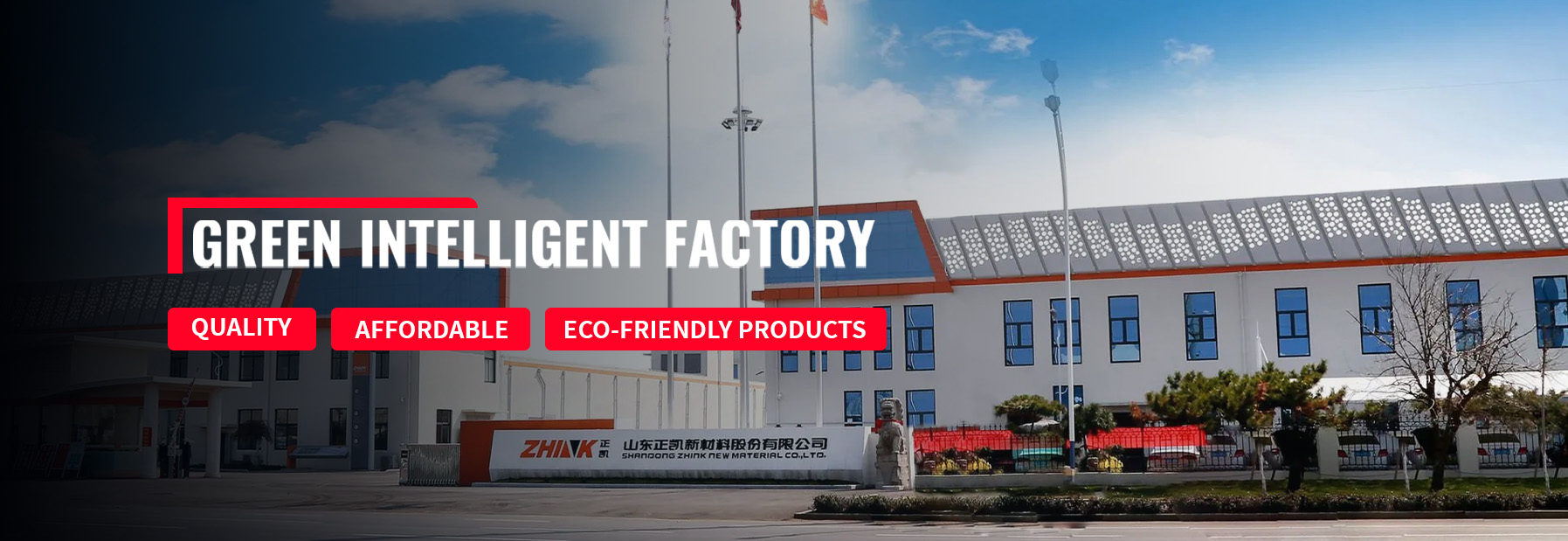
While the theoretical potential of super micro polyester is vast, realizing its full benefits requires a manufacturing partner capable of executing these complex processes with absolute precision. This is where Zhink New Material distinguishes itself as a national-level high-tech enterprise specializing in the R&D, production, and sales of advanced textile materials. As a strategic supplier to well-known global textile companies, Zhink has successfully bridged the gap between laboratory innovation and large-scale industrial application.
The production of super micro yarn demands an environment where consistency is non-negotiable. Zhink New Material addresses this through its world-class digital production line and provincial enterprise technology center. Since launching its smart manufacturing project in November 2020, the company has entered the “Digital Zhink” era, utilizing internationally advanced automation to ensure that every filament meets rigorous specifications. By pioneering small-batch, multi-variety APS (Advanced Planning and Scheduling) intelligent production scheduling in the spinning sector, Zhink can respond rapidly to diverse market needs while maintaining the “quality first” philosophy that defines its brand.
What sets Zhink apart in the realm of super micro fibers is its deeply integrated management platform. By combining ERP, MES, RFID intelligent identification, and online quality detection systems, the company has filled numerous gaps in the domestic field. This high level of integration ensures complete material traceability and real-time quality control—critical factors when dealing with fibers as delicate as super micro polyester. The result is a production process that yields more consistent quality, significantly lower costs, and a considerably shorter R&D cycle, allowing clients to bring innovative products to market faster.
Furthermore, Zhink New Material is at the forefront of the industrial internet revolution, being the first in the textile industry to introduce 5G technology for industrial scenario applications. The seamless connection between its intelligent integrated management platform and AGV (Automated Guided Vehicle) control systems provides robust big data support for business operations and production management. This technological leap ensures that the complex data generated during the spinning of ultra-fine deniers is analyzed instantly to optimize performance, making Zhink a true leader in the intelligent development of the textile industry.
Primary Applications and Use Cases
The versatility of super micro polyester yarn, particularly when produced by advanced manufacturers like Zhink New Material, has led to its adoption across a wide spectrum of industries. Its unique combination of softness, strength, and functional performance makes it a go-to solution for designers and engineers alike.
In the realm of apparel and fashion, this yarn is revolutionizing how consumers experience synthetic clothing. It is extensively used in high-end lingerie and sleepwear, where the silk-like touch provides luxury without the high maintenance costs of real silk. The durability of polyester ensures these garments withstand repeated washing without losing their shape or luster. Additionally, the yarn is a staple in the production of premium linings for suits and jackets, offering a smooth glide over other fabrics while remaining breathable.
The sportswear and activewear sector perhaps benefits the most from the technical capabilities of super micro fibers. The enhanced wicking properties keep athletes dry and comfortable during intense physical activity. Fabrics made from this yarn are lightweight and packable, making them ideal for running gear, cycling jerseys, and yoga pants. The ability to dye these fibers deeply also allows for the vibrant, fade-resistant colors demanded by modern sports brands.
Beyond clothing, super micro polyester yarn plays a pivotal role in home textiles. Microfiber bedding, towels, and blankets are renowned for their softness and absorbency. The fine fibers can trap more water than cotton, making microfiber towels incredibly efficient for drying. In upholstery, the yarn is used to create fabrics that are resistant to pilling and abrasion, ensuring longevity in high-traffic areas while maintaining a plush aesthetic.
Industrial and Technical Uses
An often overlooked but vital application is in the field of cleaning and filtration. The small diameter of the fibers allows them to penetrate microscopic crevices, trapping dust, dirt, and bacteria more effectively than larger fibers. This makes super micro polyester the material of choice for high-performance cleaning cloths used in automotive detailing, electronics cleaning, and medical environments. In filtration, the dense structure of the fabric created by these yarns can capture fine particulates, contributing to air and liquid purification systems.
The automotive industry also utilizes this yarn for interior components. Seat covers, headliners, and door panels made from super micro polyester offer a premium look and feel while resisting stains and wear. The color fastness of the yarn ensures that car interiors remain vibrant despite prolonged exposure to sunlight through windows.
Advantages and Limitations Analysis
Like any material, super micro polyester yarn comes with a distinct set of strengths and challenges. Understanding these factors is essential for making informed decisions regarding product development and material selection.
Key Advantages:
- Unmatched Softness: The ultra-fine denier creates a hand feel that rivals natural silk, providing a luxurious user experience.
- Superior Moisture Management: Enhanced capillary action ensures rapid wicking and quick drying, crucial for performance applications.
- High Durability: Despite their fineness, the aligned polymer structures offer excellent tensile strength and resistance to abrasion.
- Vibrant Color Retention: The high surface area allows for deeper dye penetration, resulting in rich colors that resist fading over time.
- Versatility: Can be engineered for various functions including water resistance, antimicrobial properties, and thermal regulation.
Potential Limitations:
- Pilling Susceptibility: In some constructions, the fine fibers can work loose and form pills on the fabric surface, though modern texturing techniques have mitigated this significantly.
- Static Buildup: Being a synthetic fiber, it can generate static electricity, necessitating anti-static finishes for certain applications.
- Processing Sensitivity: The delicate nature of the yarn requires careful handling during weaving and knitting to prevent breakage and ensure uniform tension.
- Environmental Concerns: As a petroleum-based product, sustainability is a consideration, though recycling initiatives and bio-based PET are emerging solutions.
It is important to note that many of the limitations, such as pilling and static, are actively addressed through advanced finishing treatments and blending strategies. For instance, blending super micro polyester with a small percentage of conductive fibers can eliminate static issues, while specific heat-setting processes can lock fibers in place to prevent pilling.
How to Select the Right Yarn for Your Project
Choosing the correct super micro polyester yarn involves a systematic evaluation of your project requirements. The decision matrix should begin with the intended end-use. Is the priority comfort, durability, or moisture management? For example, a project focused on summer activewear will prioritize hydrophilic properties and breathability, while a winter coat lining might focus on warmth retention and smoothness.
Next, consider the fabric construction method. Knitted fabrics generally require yarns with higher elasticity and bulk, often achieved through texturing. Woven fabrics, especially those for formal wear or linings, may benefit from smoother, less textured filaments to ensure a flat, sleek surface. The gauge of the knitting machine or the reed count of the loom will also dictate the appropriate yarn count and twist level.
Dyeing requirements are another critical factor. If the application demands deep, dark shades, a yarn with a round cross-section and high dye affinity is preferable. For pastel or bright neon colors, the cross-sectional shape might be leveraged to enhance light reflection. It is also advisable to consult with suppliers regarding the compatibility of the yarn with specific dye classes, such as disperse dyes, which are standard for polyester.
Finally, evaluate the supply chain reliability. Given the technical complexity of producing super micro yarns, partnering with a manufacturer who demonstrates consistent quality control and technological capability is vital. Requesting sample swatches and conducting trial runs before full-scale production can help identify potential issues related to tension, dye uptake, or hand feel early in the process.
Step-by-Step Selection Guide
To streamline the selection process, follow these operational steps:
- Define Performance Needs: List the top three functional requirements (e.g., wicking, softness, strength).
- Determine Fabric Structure: Decide whether the final product will be knitted or woven and the desired weight (GSM).
- Select Cross-Section: Choose between round, shaped, or hollow profiles based on aesthetic and functional goals.
- Review Finish Options: Identify necessary post-treatment needs such as anti-static, water-repellent, or antimicrobial coatings.
- Request Prototypes: Obtain small batches of candidate yarns to test in your specific machinery and dyeing conditions.
- Validate Quality: Conduct lab tests on the prototyped fabric for pilling, shrinkage, and color fastness before committing to large orders.
Frequently Asked Questions (FAQ)
What is the main difference between micro and super micro polyester yarn?
The primary difference lies in the denier per filament (dpf). Standard micro polyester typically has a dpf between 0.5 and 1.0, whereas super micro polyester yarn features a dpf below 0.5, often reaching as low as 0.3. This finer size results in a softer hand feel, better drape, and superior moisture-wicking capabilities due to increased surface area and capillary action.
Is super micro polyester yarn breathable?
Yes, it is highly breathable. The construction of fabrics using super micro yarns creates millions of microscopic air pockets and channels. These structures facilitate air circulation and efficiently transport moisture vapor away from the body, preventing the clammy feeling often associated with cheaper synthetics.
Can super micro polyester be dyed easily?
Absolutely. Due to the high surface-area-to-volume ratio, super micro fibers absorb dye more readily and deeply than standard fibers. This allows for vivid, saturated colors with excellent wash fastness. However, precise temperature control during the dyeing process is essential to ensure uniformity.
Does this yarn pill easily?
While any fabric can potentially pill, high-quality super micro polyester yarn is engineered to minimize this risk. Modern texturing and heat-setting techniques lock the filaments in place. Furthermore, the inherent strength of the oriented polymer chains means that if pills do form, they are less likely to break off, maintaining the fabric’s appearance over time.
Is super micro polyester eco-friendly?
Traditional polyester is derived from petroleum, which raises environmental concerns. However, the durability and longevity of products made from super micro yarn can offset some impact by reducing replacement frequency. Additionally, the industry is increasingly shifting towards recycled PET (rPET) sources for producing super micro yarns, and the efficiency of the spinning process continues to improve, reducing energy consumption per unit of output.
What care instructions are recommended for fabrics made from this yarn?
Fabrics made from super micro polyester yarn are generally low-maintenance. They can be machine washed in cool or warm water and tumble dried on low heat. Avoid high temperatures, as excessive heat can damage the synthetic fibers or alter their texture. Ironing is rarely needed, but if necessary, use a low-heat setting. Bleach should be avoided to preserve color integrity.
Future Trends in Super Micro Fiber Technology
The landscape of super micro polyester yarn is evolving rapidly, driven by consumer demand for sustainability and enhanced performance. One significant trend is the integration of bio-based polymers. Researchers are developing PET alternatives derived from renewable resources like sugarcane, which can be spun into super micro fibers with identical performance characteristics but a reduced carbon footprint.
Nanotechnology is also making inroads into this sector. By embedding nanoparticles directly into the polymer melt before spinning, manufacturers can create yarns with permanent odor-control, UV protection, or self-cleaning properties. Unlike surface coatings that wash away over time, these integrated features remain effective throughout the lifecycle of the garment.
Furthermore, the push for circular economy principles is influencing production methods. Innovations in chemical recycling allow for old polyester garments to be broken down to their monomer level and respun into new, high-quality super micro yarns without loss of performance. This closed-loop system is becoming a standard expectation for major global brands.
Conclusion and Expert Recommendations
In summary, super micro polyester yarn stands as a cornerstone of modern textile innovation, bridging the gap between synthetic durability and natural luxury. Its ability to offer unparalleled softness, efficient moisture management, and versatile design possibilities makes it an indispensable resource for industries ranging from high-fashion apparel to technical industrial applications. The technical sophistication involved in its production ensures that it delivers consistent, high-quality performance that meets the rigorous demands of today’s market.
This material is ideally suited for brands and manufacturers seeking to elevate their product offerings. It is particularly recommended for developers of performance activewear, luxury lingerie, premium home textiles, and specialized cleaning solutions. If your goal is to create a product that combines comfort with long-lasting resilience, integrating super micro polyester into your supply chain is a strategic move.
For those considering the transition to or expansion with super micro polyester yarn, the next step involves engaging with specialized suppliers who can provide technical data sheets and sample prototypes tailored to your specific machinery and design needs. Partners like Zhink New Material, with their commitment to “quality first, constant innovation, and rapid response,” exemplify the kind of intelligent manufacturing capability required to fully leverage this advanced fiber. Evaluating the specific denier, cross-section, and functional finishes against your product requirements, supported by a provider with robust 5G-enabled digital infrastructure, will ensure optimal results. Embracing this advanced material positions your offerings at the forefront of textile quality and consumer satisfaction.